


US–Iran conflict triggers oil shock, deepens Pakistan’s economic crisis
India Narrative says crisis is a structural blow, with Pakistan emerging as a “primary casualty”
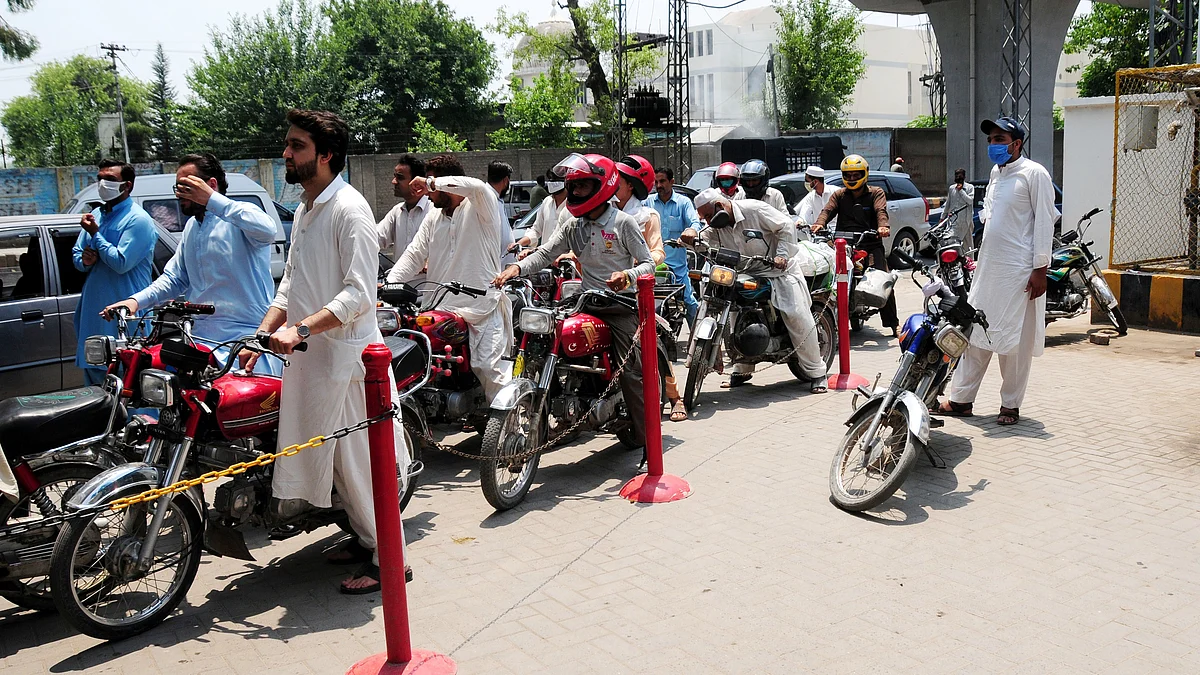


The escalating conflict between the United States and Iran has sent shockwaves through Pakistan’s already fragile economy, triggering a sharp surge in energy costs, rising inflation, and mounting pressure on foreign exchange reserves.
According to an analysis published by India Narrative, the crisis is not a temporary disruption but a structural blow to Pakistan’s economic stability, with the country emerging as a “primary casualty” in the region.
The report highlights a dramatic spike in Pakistan’s petroleum import bill, which has surged by 167 per cent — from $300 million to $800 million per week — after global benchmark prices rose sharply. Brent crude has climbed above $112 per barrel, driven in part by disruptions linked to the closure of the Strait of Hormuz, a critical chokepoint for global energy supplies.
Prime Minister Shehbaz Sharif confirmed the surge in April 2026, underscoring the scale of the crisis. On an annual basis, the increase translates into an additional burden of nearly $26 billion — almost equivalent to Pakistan’s total merchandise export earnings of $29.8 billion in FY2025.
“This is not a price adjustment — it is a stress event of structural proportions,” the report notes, warning that Pakistan is effectively incurring an import liability in a single commodity category that rivals its entire export sector.
The impact is rippling across the macroeconomy. Analysts point to accelerating inflation, a widening current account deficit, depletion of foreign exchange reserves, a weakening currency, and growing logistical bottlenecks at Karachi port.
Pakistan’s vulnerability is rooted in its heavy dependence on imported energy. Around 85–90 per cent of its petroleum needs are sourced from Gulf countries, with shipments almost entirely reliant on uninterrupted transit through Hormuz. The absence of viable alternative suppliers or a functional strategic petroleum reserve further exacerbates the risk.
Economists describe Pakistan as operating in a “high pass-through” environment, where global oil price increases quickly translate into higher domestic fuel costs, electricity tariffs, and consumer prices. Estimates from the International Monetary Fund suggest that a 10 per cent rise in oil prices can push Pakistan’s consumer inflation up by 0.4–0.6 percentage points — among the highest sensitivities in South Asia.
With external vulnerabilities predating the current crisis, the ongoing energy shock is now amplifying long-standing structural weaknesses, raising concerns about Pakistan’s economic resilience in the face of prolonged geopolitical instability.
With IANS inputs
Join our official telegram channel (@nationalherald) and stay updated with the latest headlines