


Vatican no to Trump’s ‘Board of Peace’, backs UN-led crisis management
Holy See distances itself from US initiative on Gaza, citing its unique status and preference for UN oversight
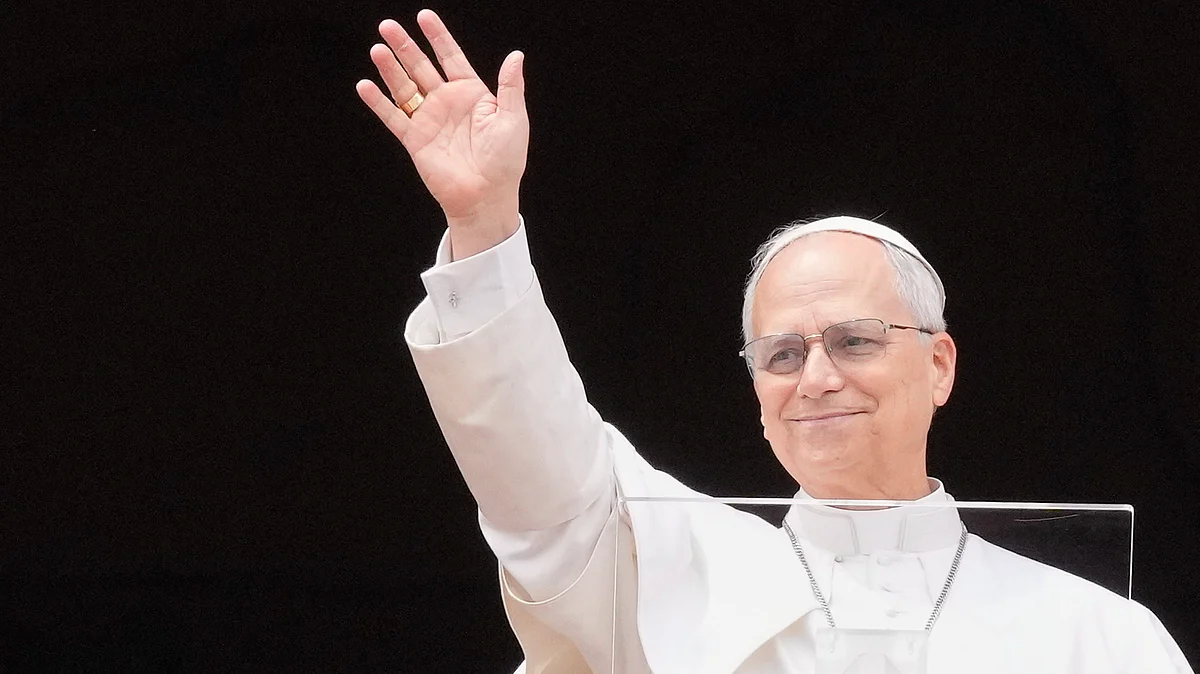


The Vatican has ruled out joining US President Donald Trump’s proposed 'Board of Peace', arguing that international crises should be handled through the United Nations rather than ad hoc political bodies.
Cardinal Pietro Parolin, the Holy See’s secretary of state and top diplomat, said on Tuesday, 17 February, that the Vatican would not participate in the initiative.
“The Holy See will not participate in the Board of Peace because of its particular nature, which is evidently not that of other States,” Parolin said. He added that, at the international level, “it should above all be the UN that manages these crisis situations”, stressing that this has been a consistent Vatican position.
The proposal emerged from Trump’s Gaza plan, which led to a fragile — and frequently violated, at least by Israel — ceasefire in October. The board was initially conceived as a body to supervise Gaza’s temporary governance during reconstruction. Trump later said it would be expanded — with himself as chair — to address global conflicts more broadly.
The board is due to hold its first meeting in Washington on Thursday, 19 February, with Gaza’s reconstruction high on the agenda.
In January, Pope Leo XIV — the first US-born pope and a figure who has openly criticised aspects of Trump’s policies — was invited to join. The Vatican has now formally declined.
Italy and the European Union have indicated that they will attend as observers rather than full participants. Several of Washington’s Middle Eastern partners have signed on, but key Western allies have so far refrained from joining, as has India.
The initiative has drawn scrutiny from legal scholars and human rights experts, some of whom argue that a US-led body overseeing the governance of a foreign territory risks resembling a colonial structure. Others have criticised the board’s composition, noting the absence of Palestinian representation.
Concerns have also been raised that the new body could sideline or undermine the authority of the United Nations, where the Holy See holds permanent observer status and maintains an extensive diplomatic presence.
The October truce has been repeatedly strained. Since it took effect, hundreds of Palestinians and four Israeli soldiers have reportedly been killed in renewed violence.
Israel’s military campaign in Gaza has resulted in more than 72,000 deaths, according to local authorities, triggered widespread displacement and contributed to a severe hunger crisis. Multiple rights experts, scholars and a UN inquiry have described the campaign as amounting to genocide — a characterisation Israel firmly rejects, saying it is acting in self-defence after Hamas-led militants killed about 1,200 people and abducted more than 250 hostages on 7 October 2023.
Pope Leo has repeatedly condemned the humanitarian conditions in Gaza. However, the leader of the world’s 1.4 billion Catholics rarely joins international political boards, preferring instead to work through established diplomatic and multilateral channels.
With agency inputs
Join our official telegram channel (@nationalherald) and stay updated with the latest headlines