


Women candidates face rising cyber harassment ahead of Bangladesh polls
According to Election Commission data, 30 of the 51 political parties contesting the elections have not fielded a single female candidate
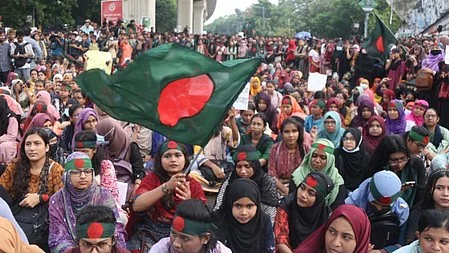


As Bangladesh prepares for its high-stakes national elections on 12 February, women candidates are reporting a surge in cyber harassment, online abuse, and targeted misinformation, according to local media.
Women constitute only around 4 per cent of the candidates in the upcoming polls, highlighting entrenched gender barriers in a political landscape where half the population is female but representation remains minimal.
Several women candidates across constituencies have reported organised trolling, character assassination, sexual harassment, and physical threats aimed at intimidating them and disrupting their campaigns.
Dilshana Parul, National Citizen Party (NCP) candidate from Dhaka-19, said she has faced relentless online attacks, particularly over her choice to wear a headscarf. “Not only supporters of rival parties but even those who call themselves progressive are involved. I believe I have been among the most targeted,” she told The Dhaka Tribune.
Parul also alleged that her campaign workers faced physical threats. “Recently, my team was attacked at a rural electricity site. I also received calls warning that a former ward commissioner in Ashulia is threatening my female workers to stop them from voting. Whenever it appears the BNP may lose ground, threats increase,” she said.
She emphasised the gendered nature of the attacks, noting that while male politicians are typically criticised for corruption or policy decisions, women are attacked over their character. “Despite this, I will continue working in the field and focus on developing my constituency,” she added.
Nabila Tasnid, NCP candidate from Dhaka-20, said her campaign has faced systematic intimidation, including torn banners and festoons. She alleged that coalition-backed groups are spreading misinformation and questioning women’s leadership. “They claim society will not accept women leaders. Online propaganda and character attacks are their main tools,” she said. Tasnid’s campaign focuses on agriculture, employment, technical education, and overseas opportunities for women.
Taslima Akhter, candidate from Dhaka-12 representing Gonoshonghoti Andolon, noted that online harassment thrives because attackers can operate anonymously, adding that women are particularly vulnerable targets. She affirmed her commitment to advocating women’s rights, free education up to grade twelve, and action against corruption, extortion, and drug syndicates.
The harassment occurs against a broader backdrop of women’s marginalisation in electoral politics. According to Election Commission data, 30 of the 51 political parties contesting the elections have not fielded a single female candidate. Observers also cite rising lawlessness and violent political environments as discouraging women from running.
Gender exclusion is further reinforced by ideological positions. Bangladesh Jamaat-e-Islami Ameer Shafiqur Rahman previously stated that women cannot hold the party’s top leadership post, citing religious obligations and so-called “biological limitations”.
Analysts say the convergence of cyber abuse, political violence, institutional reluctance, and ideological barriers raises serious questions about Bangladesh’s commitment to inclusive and representative democracy, as women continue to face steep obstacles in participating fully in the country’s political life.
With IANS inputs
Join our official telegram channel (@nationalherald) and stay updated with the latest headlines