


WHO declares Ebola outbreak in Congo, Uganda a global health emergency
WHO says Ebola outbreak linked to Bundibugyo strain does not currently meet threshold for a pandemic-level emergency
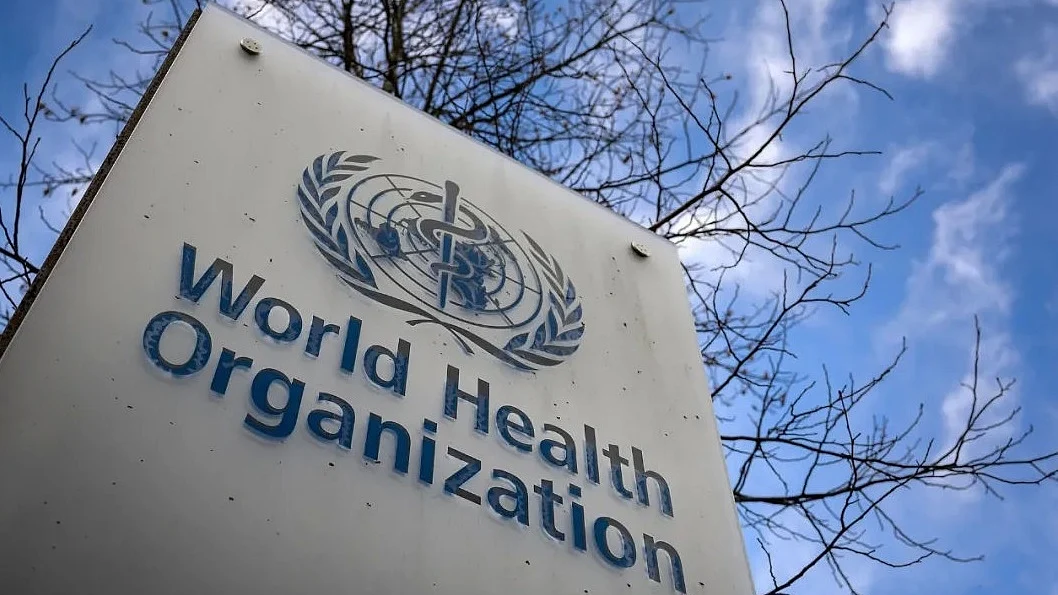


The World Health Organisation (WHO) on Sunday declared the Ebola outbreak spreading across the Democratic Republic of the Congo and Uganda a “public health emergency of international concern” amid fears of wider cross-border transmission in Central and East Africa.
However, the WHO clarified that the outbreak — linked to the Bundibugyo strain of the Ebola virus — does not currently meet the threshold for a pandemic-level emergency.
In a statement posted on X, the global health body said WHO director-general Tedros Adhanom Ghebreyesus had praised the governments of Congo and Uganda for taking “necessary and vigorous actions” to contain the outbreak and for transparently sharing information with the international community.
“The director-general expresses his gratitude to the leadership of the Democratic Republic of the Congo and Uganda for their commitment to take necessary and vigorous actions to bring the event under control,” the WHO said.
The agency added that the emergency declaration followed an assessment of scientific evidence, the risk of international spread and the potential disruption to international travel and trade.
The outbreak has rapidly escalated in Congo’s Ituri Province, where hundreds of suspected cases have already been reported, according to the Africa Centres for Disease Control and Prevention.
Preliminary laboratory testing by Congo’s National Institute of Biomedical Research detected the Ebola virus in 13 out of 20 analysed samples, Africa CDC said.
Health authorities have so far recorded around 246 suspected infections and 65 deaths, primarily concentrated in the mining regions of Mongwalu and Rwampara. Four deaths have been confirmed among laboratory-verified Ebola cases, while additional suspected infections have emerged in the provincial capital, Bunia.
Africa CDC warned that the outbreak poses a “high risk” of wider regional spread due to dense urban populations, constant cross-border movement, mining activities, insecurity and the proximity of affected areas to Uganda and South Sudan.
In response, the agency convened an emergency meeting with health officials from Congo, Uganda and South Sudan, along with international partners, to strengthen surveillance systems, cross-border coordination and emergency response mechanisms.
The Bundibugyo strain, though less common than the Zaire strain associated with previous deadly Ebola epidemics, can still cause severe haemorrhagic fever with symptoms including high fever, vomiting, diarrhoea and internal bleeding.
Health authorities are now racing to contain the outbreak before it spreads deeper into neighbouring countries already struggling with fragile healthcare systems and humanitarian crises.
With IANS inputs
Join our official telegram channel (@nationalherald) and stay updated with the latest headlines