


After LPG, diesel, and petrol, Mamata flags looming power crisis
Mamata Banerjee highlights strain on state's power infrastructure as households shift from gas to electric cooking
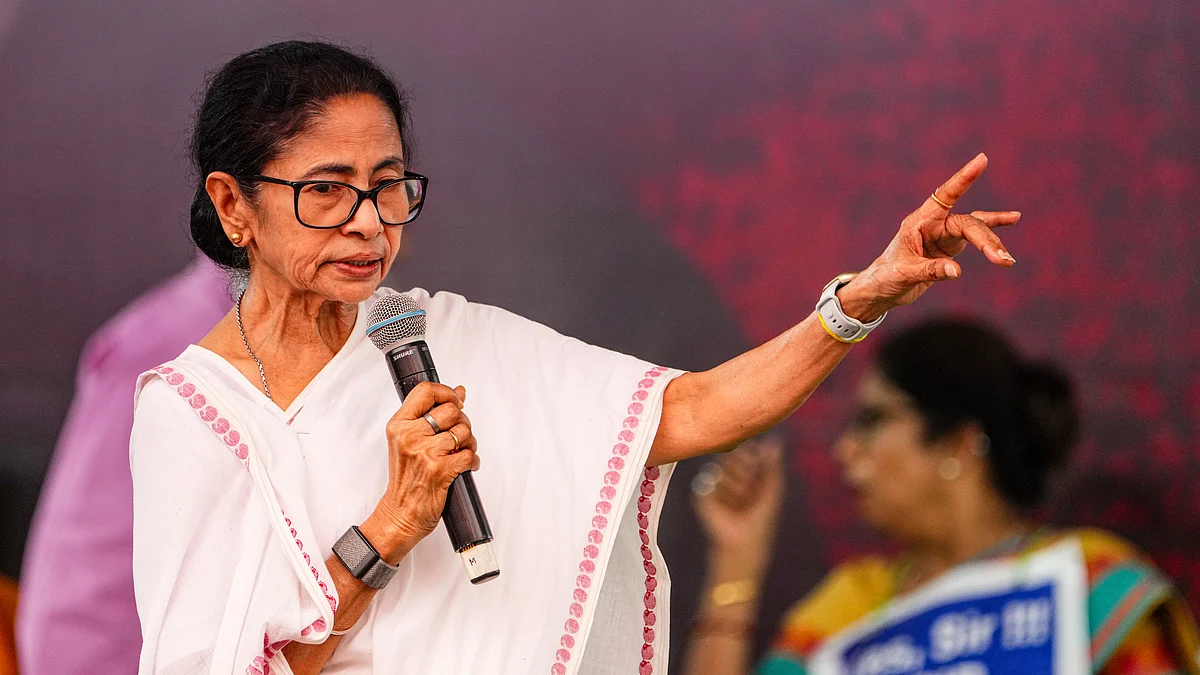


West Bengal chief minister Mamata Banerjee on Wednesday warned that widespread use of microwaves and induction cooktops owing to the ongoing LPG cylinder shortage could trigger frequent power outages across the state and potentially the country as summer sets in and the power infrastructure is already burdened by rising consumption thanks to ACs and other cooling appliances.
Speaking at a press conference in Kolkata following a high-level administrative meeting at state secretariat Nabanna, Banerjee highlighted the strain on the state's power infrastructure as households shift from gas to electric cooking amid the acute LPG crisis now in its eighth day.
Her warning found an echo in retired Calcutta Electric Supply Corporation employee Jayanta Sikdar, who said a national electricity crisis would lead to widespread blackouts disrupting daily life, the economy, and essential services as seen in the past, such as the 2012 outages affecting 600 million people. “If there are regular power cuts, cooking shifts fully to raw foods or alternatives, with spoiled perishables from fridge failures. Water pumping halts in non-metro areas. Hospitals rely on generators but generators need fuel to run,” he said.
Big businesses may adopt the work from home model, but small industries and several other sectors will grind to a standstill amid the LPG-power double hit. “Overload from appliances like induction cookers exacerbates surges, damaging electronics on restoration and heatwaves or shortages multiply outage minutes 2–5 times,” Sikdar said.
Mainak Das, area manager of a home appliances company, said, “Daily electricity costs for cooking twice using an induction cooktop and microwave typically range from Rs 15 to Rs 25 per household in West Bengal, depending on appliance wattage and exact usage time.”
As per his estimates, cooking two daily meals (e.g. breakfast and dinner), would take one hour on a 1,500W induction cooktop and 20 minutes in a 1,000W microwave for standard Indian foods like dal, rice, or veggies, since induction heats faster than gas. This yields about 3 to 4 kWh (kilowatt hours) daily. For a family of four, this adds up to Rs 700 to Rs 900 monthly, but mass adoption could strain electricity grids, as Banerjee has warned.
Home maker Swagata Nandy is worried that her LPG cylinder will empty out in a day or two, expressing helplessness about the situation. “First, there is a cylinder crisis and if I have to buy an induction now, it will cost a lot of money. Plus new wiring has to be installed to run an induction or microwave which will once again drain money. The common people are really in a fix thanks to the Centre’s inability to plan in advance,” she said.
Banerjee also lambasted the Central government for poor planning, alleging it failed to monitor gas availability and define a clear supply chain. "I think all the stock that was there has been given to BJP states," she claimed, adding that services like restaurants, schools, hospitals, and school midday meal programmes are suffering without priority access. She demanded even distribution of cylinders, prioritising these sectors over subsidies, which she said are meaningless without supply.
The CM said she had issued directives to district magistrates and superintendents of police to crack down on black-marketing and hoarding, with threats of agency seizures if needed. Autorickshaw drivers, unable to fuel vehicles without gas, face immediate hardship, she noted, questioning how they would operate amid the disruption.
Criticizing the Centre's inaction, Banerjee pointed to halted kerosene supplies and no alternative plans. "There was no planning on the part of the Central government. They should have given seven days' notice before saying one cannot book (an LPG cylinder) before 25 days," she said.
Many IT companies in Kolkata have introduced two-day work-from-home policies in response to the fuel and LPG crisis, which has caused a fall in demand for public transport vehicles such as autorickshaws and CNG-run cars and buses. "India should come first," she asserted, offering state-level planning support but stressing that gas supply lies beyond her control.
With LPG scarcity pushing reliance on electricity, Banerjee's warning underscores a looming dual crisis: gas shortages compounding into power grid overloads, threatening Bengal and India at large unless the Centre acts swiftly.
Join our official telegram channel (@nationalherald) and stay updated with the latest headlines