


Air India turbulence incident fuels online blame, but here’s what experts point to
Aviation specialists say sudden changes in airflow can be difficult to detect, underscoring why passengers should remain buckled up throughout a flight
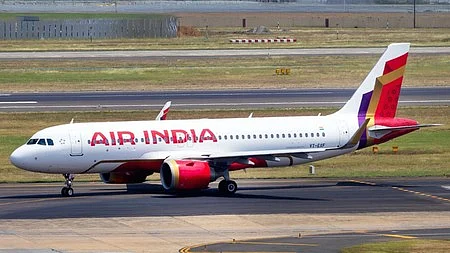


A recent Air India flight from Phuket that encountered severe turbulence, leaving 17 passengers injured, has triggered widespread criticism of the airline on social media. Aviation experts, however, say much of the reaction overlooks the unpredictable nature of the phenomenon.
Videos filmed after the incident prompted calls to boycott Air India, with some users questioning the airline’s pilots, aircraft and management. One user argued that the carrier should be held accountable, saying the episode could not be dismissed as a minor or brief encounter with turbulence.
Others suggested that the pilot should have warned passengers about adverse weather or avoided the affected area altogether.
Experts say such arguments do not fully reflect how turbulence occurs. While pilots can use weather radar and forecasts to avoid severe storms, some forms of turbulence—particularly clear-air turbulence—may develop suddenly and cannot always be detected in advance.
Turbulence occurs when an aircraft encounters irregular or rapidly changing air movement. It can cause the plane to rise, fall or shake abruptly, potentially throwing passengers who are not wearing seat belts against seats, overhead compartments or other parts of the cabin.
Aviation scientist Venu Ganapuram said variations in air pressure along an aircraft’s path could affect the stability of a flight.
“The air pressure in the region needs to be uniform for the flight to remain stable,” Ganapuram told PTI. “Differences in air pressure at the local level can lead to turbulence. The plane may go up and down and passengers may feel the tremors.”
He added that severe turbulence could make the aircraft more difficult to handle and place unrestrained passengers at particular risk of injury.

Before departure, pilots receive forecasts covering weather conditions along the planned route. If storms or turbulence are anticipated, they may alert passengers, switch on the seat-belt sign or alter the flight path where necessary.
Conditions can nevertheless change without warning. In such cases, pilots focus on maintaining control and stabilising the aircraft while the cabin crew ensures, as far as possible, that passengers remain seated and secured.
Modern commercial aircraft are designed to withstand significant turbulence. The greater immediate danger is often to people inside the cabin, particularly those who are standing, walking around or not wearing their seat belts when the aircraft suddenly jolts.
Airlines therefore advise passengers to keep their seat belts fastened whenever seated, including when the warning sign is switched off and while sleeping.
Although many online reactions blamed Air India, others defended the crew and argued that the safe landing demonstrated the pilots’ ability to manage an unexpected situation.
Digital creator Ansh Mehra said in an Instagram video that passengers frequently ignored seat-belt warnings and moved around the cabin despite instructions from crew members.
“I see a lot of people walking around on a plane as if they were in a park. Crew members repeatedly request them to sit down. The training and instruction that you ignore are specifically for situations like this,” he said.
Former Air Marshal Sanjeev Kapoor also stressed the importance of following safety instructions, noting that passengers without seat belts were often among those most seriously injured during turbulence.
“The lesson is pretty straightforward—fasten your belt whenever the seat belt fastening signal is on. Do not ignore the instructions of the pilot and crew,” he wrote on X.
Researchers have also warned that climate change could increase the frequency or intensity of clear-air turbulence in some regions by altering atmospheric conditions and strengthening wind shear.
While investigations may establish the precise circumstances surrounding the Air India episode, experts say turbulence itself is a natural atmospheric event rather than something an airline or pilot can control. The risk of injury, however, can be reduced considerably when passengers remain seated and properly restrained.
With PTI inputs
Join our official telegram channel (@nationalherald) and stay updated with the latest headlines