


Backlash grows over CJI’s 'cockroaches' remark on unemployed youth, activists
Social media users, lawyers and civil liberties voices question language used by country’s highest judicial office
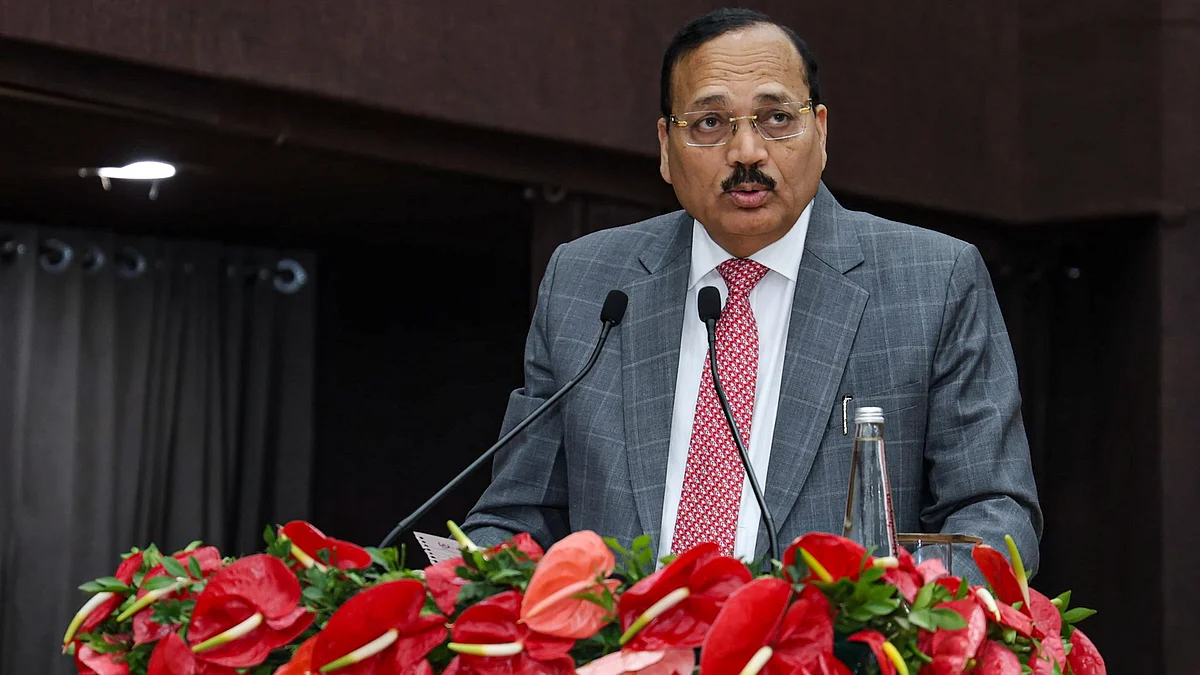


A growing backlash is building over remarks attributed to Chief Justice of India Surya Kant during a Supreme Court hearing on Friday, 15 May, with critics questioning the language reportedly used for unemployed youth, RTI activists, social media commentators and sections of the media.
The controversy erupted after legal news platform Live Law reported courtroom observations in which the CJI allegedly remarked that some unemployed youngsters become “media persons”, “RTI activists” and social media commentators before “attacking everyone”.
The comments rapidly spread across X and other social media platforms, triggering criticism from lawyers, civil liberties advocates and ordinary users who argued that the remarks appeared dismissive of both unemployed youth and democratic scrutiny.
Particularly contentious was the reported use of the word “cockroaches” in relation to unemployed youngsters — a phrase many users described as shocking and dehumanising when directed at a generation grappling with chronic job insecurity and shrinking employment opportunities.
The criticism has been amplified by the wider economic context. While India’s official unemployment rate remains around 5 per cent, youth unemployment is substantially higher, especially among educated urban Indians. Opposition parties and labour economists have repeatedly accused the Narendra Modi government of failing to generate enough stable jobs despite headline economic growth figures.
Against that backdrop, many online commentators argued that frustration among young Indians stems from economic anxiety rather than some instinct to “attack” institutions. Several social media users also objected to RTI activists and journalists being clubbed together with so-called “parasites”, pointing out that both groups have historically played key roles in exposing corruption and administrative wrongdoing.
The controversy has also revived debate over judicial temperament and the increasingly combative language sometimes heard during oral observations in court. Critics argue that remarks from constitutional authorities cannot be treated as casual comments because of the immense institutional power attached to the office.
Some lawyers and commentators have additionally pointed to what they see as an emerging pattern in recent remarks from the CJI targeting digital platforms and online criticism. In March this year, CJI Surya Kant had agreed with observations describing some digital platforms as “blackmailers” during a hearing related to online content regulation.
The present controversy comes only days after the CJI himself strongly condemned fake and casteist statements falsely attributed to him on social media, calling such posts “vile, brazen and mischievous” and warning of strict action.
That contrast has itself become part of the backlash online, with critics arguing that while misinformation against judges deserves condemnation, constitutional authorities must also exercise restraint and sensitivity while speaking about vulnerable sections of society.
Legal observers note that oral remarks made during hearings do not constitute binding judicial orders. Yet comments from the Supreme Court often shape public discourse far beyond the courtroom, especially when they concern politically sensitive subjects such as unemployment, activism, media criticism and dissent.
The Supreme Court has not issued any clarification regarding the reported remarks so far.
With PTI inputs
Join our official telegram channel (@nationalherald) and stay updated with the latest headlines