


BJD MP urges relocating Parliament’s Winter, Budget sessions from Delhi over pollution crisis
Manas Ranjan Mangaraj says capital’s toxic air endangers MPs, staff; proposes shifting sittings to cleaner cities
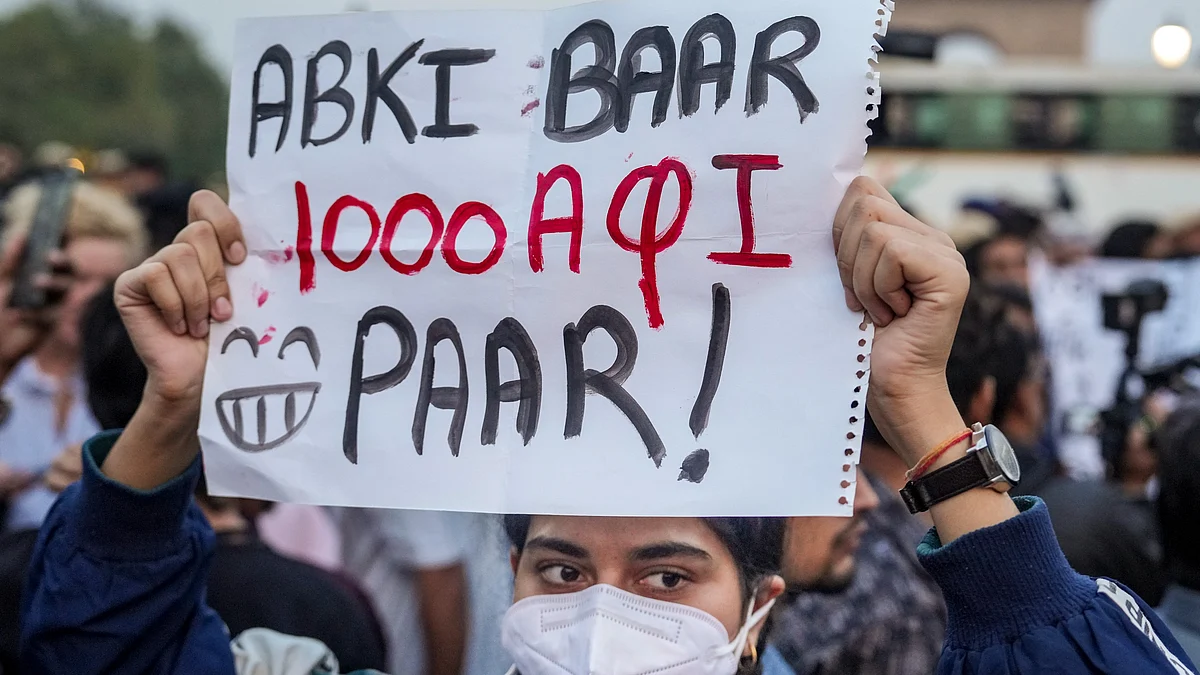


BJD Rajya Sabha MP M.R. Mangaraj on Thursday urged the Union government to consider moving Parliament’s Winter and Budget sessions out of Delhi until air quality improves, calling the national capital’s pollution emergency a “man-made disaster” that Parliament can no longer ignore.
Raising the issue during Zero Hour, Mangaraj — who represents Odisha — contrasted Delhi’s worsening air conditions with his home state’s reputation for efficient disaster management. “Coming from Odisha, a state that fights cyclones, floods and natural calamities with unmatched discipline, I know what a crisis looks like. But what troubles me is… Delhi,” he said.
The MP noted that the daily exposure to severe air pollution affects not only MPs but also parliamentary staff, drivers, sanitation workers and security personnel who keep the House running. “We cannot ignore their suffering. We cannot pretend this is normal,” he said, adding that convening key legislative sessions during peak pollution months puts lives at risk “unnecessarily”.
Mangaraj suggested shifting the winter and budget sittings to cities with cleaner air and suitable infrastructure, naming Bhubaneswar, Hyderabad, Gandhinagar, Bengaluru, Goa and Dehradun as potential alternatives.
“If Odisha can evacuate lakhs of people within hours during a cyclone and save lives with precision, then surely the Government of India can relocate two sessions of Parliament to protect the health of its own members and staff,” he argued.
Stressing that the proposal was “not about politics”, he added: “This is about life and dignity. Parliament must show leadership. Parliament must show that the right to live comes before condemnation.”
He urged the Centre to begin structured consultations quickly on the feasibility of rotating Parliament sessions to cleaner locations during winter.
Delhi’s air quality typically plunges between October and January due to crop residue burning, vehicle emissions, construction dust and seasonal weather conditions that trap pollutants. The period coincides with the Winter Session and often the tabling of the Union Budget, forcing lawmakers and thousands of staffers to work in hazardous air levels year after year.
With inputs from PTI
Join our official telegram channel (@nationalherald) and stay updated with the latest headlines