


Death by suicide of 82-year-old voter deepens scrutiny of Bengal SIR
Questions grow over due process as elderly and otherwise vulnerable voters are summoned amid widespread confusion
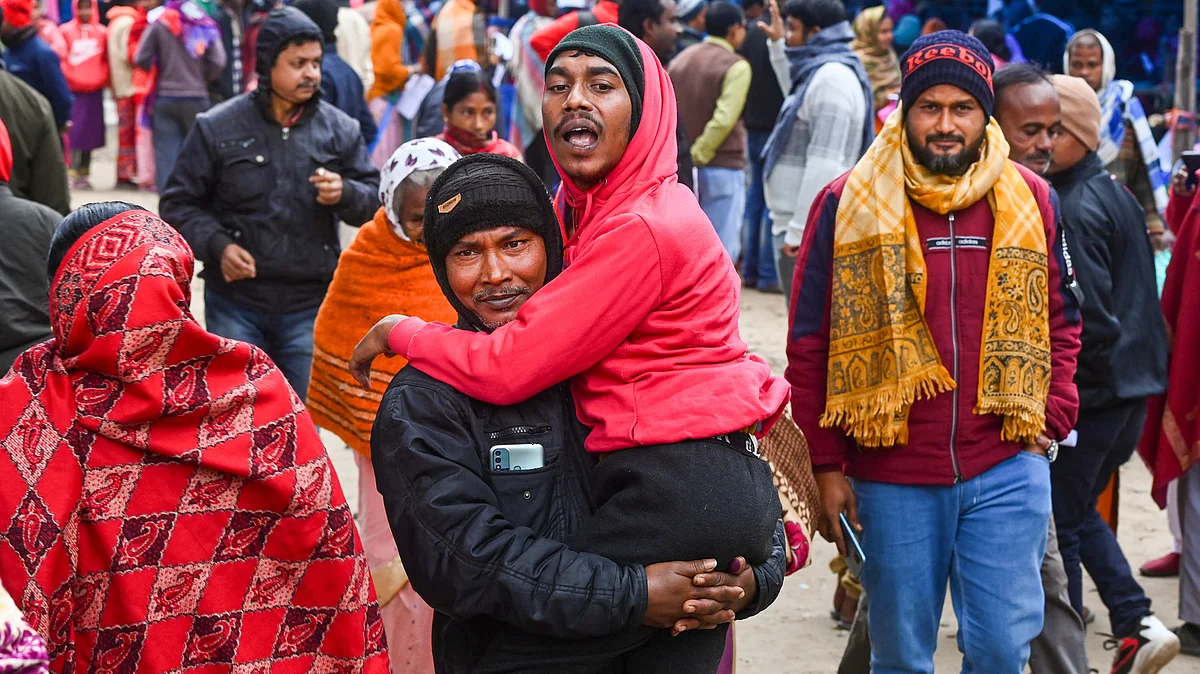


An 82-year-old man allegedly jumped onto railway tracks and was crushed to death by a running train in West Bengal’s Purulia district on Monday, just hours before he was scheduled to appear for a hearing linked to the ongoing Special Intensive Revision (SIR) of electoral rolls, police said.
The deceased, Durjan Majhi, had been deeply anxious after receiving a notice to attend a hearing at the Para block development officer’s (BDO) office, as his name did not figure in the draft voters’ list, his family said.
Police said Majhi was killed by a running train on Monday. He had been asked to appear before the BDO as part of the SIR process.
Majhi’s son Kanai, a daily wage labourer, said his father had submitted the SIR enumeration form but was still excluded from the draft roll. “My father had submitted the SIR enumeration form, but his name was not on the draft voters’ list. His name was on the 2002 voters’ list,” he said.
Kanai said the family could not understand why his father was summoned for a hearing at all. “He had been anxious since getting the hearing notice on 25 December,” he claimed.
The incident has come amid escalating controversy over the SIR exercise in West Bengal, where hearings were temporarily paused following widespread complaints of confusion, panic and procedural irregularities. Across districts, voters — particularly the elderly, migrant workers and those from poorer households — have reported fear that failure to attend hearings could result not only in deletion from electoral rolls but also jeopardise their citizenship itself.
This climate of anxiety has been fuelled by a lack of clarity on why voters are being summoned and by allegations that large numbers of names have been excluded from draft rolls without proper verification.
Adding to the unease, the West Bengal Civil Service (Executive) Officers’ Association recently formally raised concerns that many deletions during the SIR process appear to be system-generated, bypassing Electoral Registration Officers (EROs), who are the only authorities legally empowered to delete names from electoral rolls. The association has warned that such automated exclusions undermine due process and place an unfair burden on voters to “prove” their eligibility retrospectively.
The West Bengal government has also written to the Election Commission of India (ECI), flagging what it described as large-scale and arbitrary exclusions, and warning that lakhs of eligible voters may have been left out of the draft rolls. The state's ruling Trinamool Congress has accused election authorities of poor communication, inadequate door-to-door verification and summoning voters for hearings without clearly explaining the basis for exclusion.
Against this backdrop, the ECI on Monday issued an order stating that electors aged 85 years and above, as well as those who are sick or persons with disabilities, may not be called for personal hearings if a specific request is made by them or on their behalf. The clarification came after sustained criticism over elderly voters being required to attend hearings in person.
Majhi’s death has now added a stark human dimension to the SIR controversy, intensifying scrutiny of the process and amplifying questions over whether administrative opacity and fear-driven compliance are exacting an unacceptable cost on vulnerable voters.
With PTI inputs
Join our official telegram channel (@nationalherald) and stay updated with the latest headlines