


Death toll rises to 16 in Andhra milk adulteration case
Victims reported symptoms ranging from relentless vomiting and abdominal pain to anuria and acute renal dysfunction
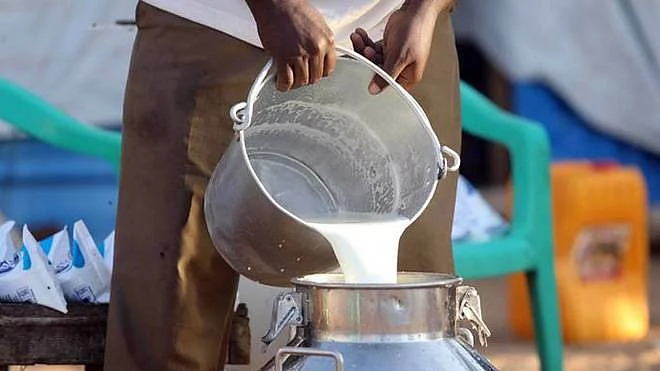


A shadow of tragedy has deepened over East Godavari district, where the death toll in a suspected milk adulteration case has risen to 16, with three more victims still battling for life in hospitals at Rajamahendravaram, officials confirmed on Sunday.
The grim episode traces back to mid-February, when milk supplied in parts of Lalacheruvu allegedly carried a deadly contaminant, triggering a wave of severe health complications among unsuspecting consumers. Victims reported symptoms ranging from relentless vomiting and abdominal pain to anuria and acute renal dysfunction — conditions that rapidly escalated into life-threatening emergencies.
The crisis first came into sharp focus on February 22, when clusters of patients exhibiting acute kidney failure were reported from Chowdeswaranagar and Swaroopanagar. Alarmed by the pattern, health authorities launched an urgent epidemiological investigation.
Laboratory analyses have since revealed a chilling cause: the victims succumbed to multi-organ failure precipitated by acute renal failure after consuming milk contaminated with ethylene glycol — a substance known for its lethal toxicity. Elevated blood urea and serum creatinine levels in patients pointed unmistakably to toxic exposure.
Investigators traced the suspected source to a dairy unit in Narasapuram village, which had supplied milk to more than 100 families. Supply from the unit was swiftly halted as a precautionary measure.
Between 16 February and 21 March, at least 20 individuals were hospitalised. Of them, 16 tragically lost their lives, three remain under intensive care, and one has recovered and been discharged. The victims included both elderly individuals and children, many of whom required dialysis and ventilator support as their condition deteriorated.
In response, authorities mounted a large-scale public health operation. Rapid Response Teams — comprising medical specialists, epidemiologists and surveillance officers — were deployed to affected areas, conducting field visits and ensuring early detection of new cases. Extensive door-to-door surveys covered over 300 individuals, with blood samples collected and tested; most results, officials noted, returned within normal ranges.
Parallel investigations are underway to uncover the precise source and extent of contamination. The Food Safety Department has inspected the dairy unit, collecting samples of milk and related products — including curd, ghee and paneer — along with water and other materials for detailed microbial and chemical analysis. Teams from the Animal Husbandry Department have also gathered samples of cattle feed and water to examine potential external contamination factors.
Legal action has been initiated following a complaint by a victim’s family member, with police registering a case under relevant provisions dealing with unnatural deaths. The suspected milk vendor has been taken into custody, while forensic teams continue to comb through evidence at the site.
Senior health officials, supported by specialist doctors from Hyderabad, have been deployed to oversee treatment protocols and coordinate patient care, even as authorities maintain that the situation is now under control.
Yet, as investigations continue, the tragedy stands as a stark reminder of the devastating consequences of food contamination — where a daily staple turned into a silent poison, leaving a community grappling with grief and unanswered questions.
With PTI inputs
Join our official telegram channel (@nationalherald) and stay updated with the latest headlines