


Delhi deploys 30,000 personnel ahead of Opposition march
Entry and exit gates at six metro stations remain closed until 4 pm, while security checks are intensified at borders, transport hubs and other sensitive locations
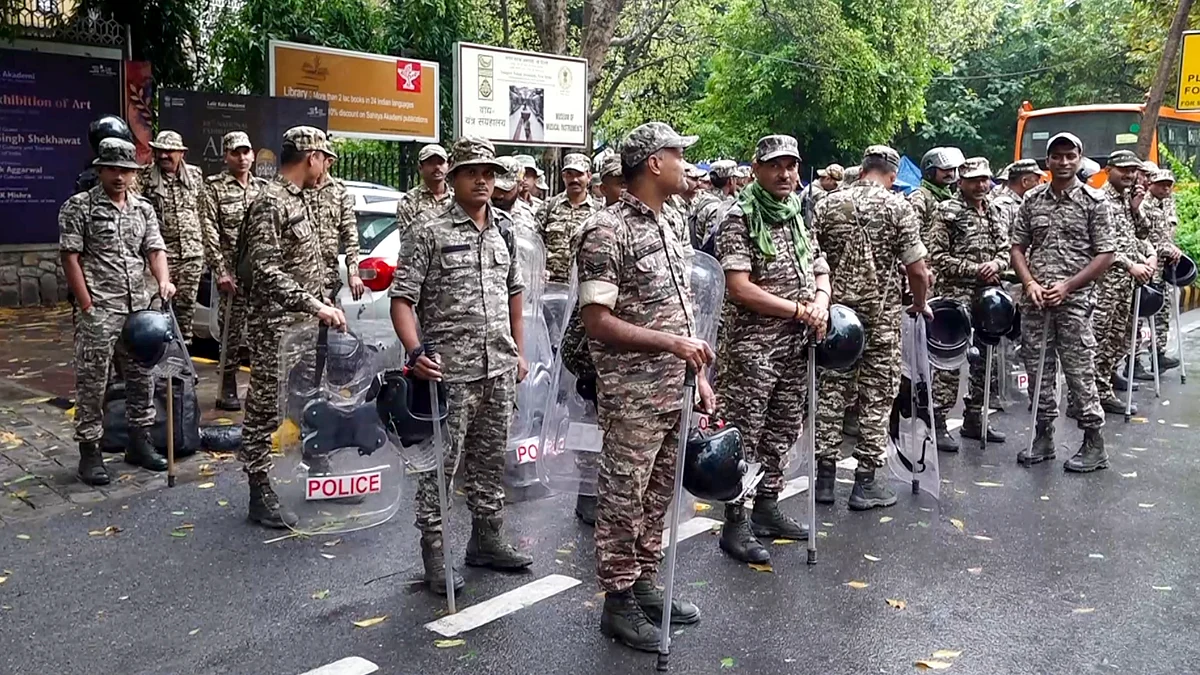


Over 30,000 police and paramilitary personnel are deployed across Delhi ahead of the Opposition’s march to the Supreme Court demanding CEC Gyanesh Kumar’s resignation over alleged “vote chori”
Entry and exit gates at six metro stations remain closed until 4 pm, while security checks are intensified at borders, transport hubs and other sensitive locations
The protest follows reports of internal disagreements within the Election Commission over issues including the Special Intensive Revision of electoral rolls
New Delhi remained on high alert for the third consecutive day on Monday, with more than 30,000 police and paramilitary personnel deployed across the national capital ahead of an opposition protest march to the Supreme Court. The march is part of the Opposition's ongoing agitation against Chief Election Commissioner (CEC) Gyanesh Kumar, with parties demanding action over alleged electoral irregularities and raising the slogan of “vote chori”.
Security arrangements have been strengthened across Delhi to prevent unauthorised gatherings and maintain law and order as opposition leaders and supporters prepare to intensify their protests. The heightened security follows demonstrations over the weekend, during which thousands of protesters, including leaders of the Cockroach Janta Party and former chief ministers, were detained by police.
Opposition parties announced on 11 October that they would march to the Supreme Court on Monday, demanding an end to alleged “vote chori” and the resignation of CEC Gyanesh Kumar.
As part of the security arrangements, entry and exit gates at six Delhi Metro stations will remain closed until 4 pm on Monday in view of the proposed protest march.
Authorities have also tightened security at Delhi's borders, railway stations, bus terminals and other sensitive locations to prevent large gatherings and ensure public safety.
Delhi Police officials said vehicle checks have been intensified at the city's entry points. Verification drives have also been stepped up at hotels, guest houses, lodges and dharamshalas to identify suspicious activity and prevent the mobilisation of unauthorised gatherings.
The measures are aimed at managing the anticipated movement of protesters and preventing any disruption to public order during the demonstration.
More than 120 companies of the Central Armed Police Forces (CAPF) have been deployed to assist Delhi Police in managing the security situation.
The New Delhi district has been divided into 20 zones to facilitate coordinated security arrangements and ensure close monitoring of developments on the ground. Joint commissioners, deputy commissioners and additional deputy commissioners are overseeing the situation, officials said.
Special commissioners heading various police units are also monitoring developments as security agencies prepare for the proposed march.
In addition to physical deployment, authorities are keeping a close watch on social media platforms for attempts to mobilise protesters or organise gatherings that could affect law and order.
The extensive security measures come amid concerns over the possibility of large crowds converging on key locations in central Delhi, particularly around government institutions and the Supreme Court.
The planned march marks another escalation in the Opposition's campaign against CEC Gyanesh Kumar. Opposition parties have accused the Election Commission of India of failing to address their concerns over electoral processes and have demanded an end to what they describe as “vote chori”.
The protests over the weekend resulted in the detention of thousands of demonstrators, including political leaders and former chief ministers, as police moved to control the gatherings.
The Opposition's latest move to march to the Supreme Court seeks to bring its electoral grievances into sharper focus, although the specific legal demands and proceedings associated with the proposed march remain central to the developing situation.
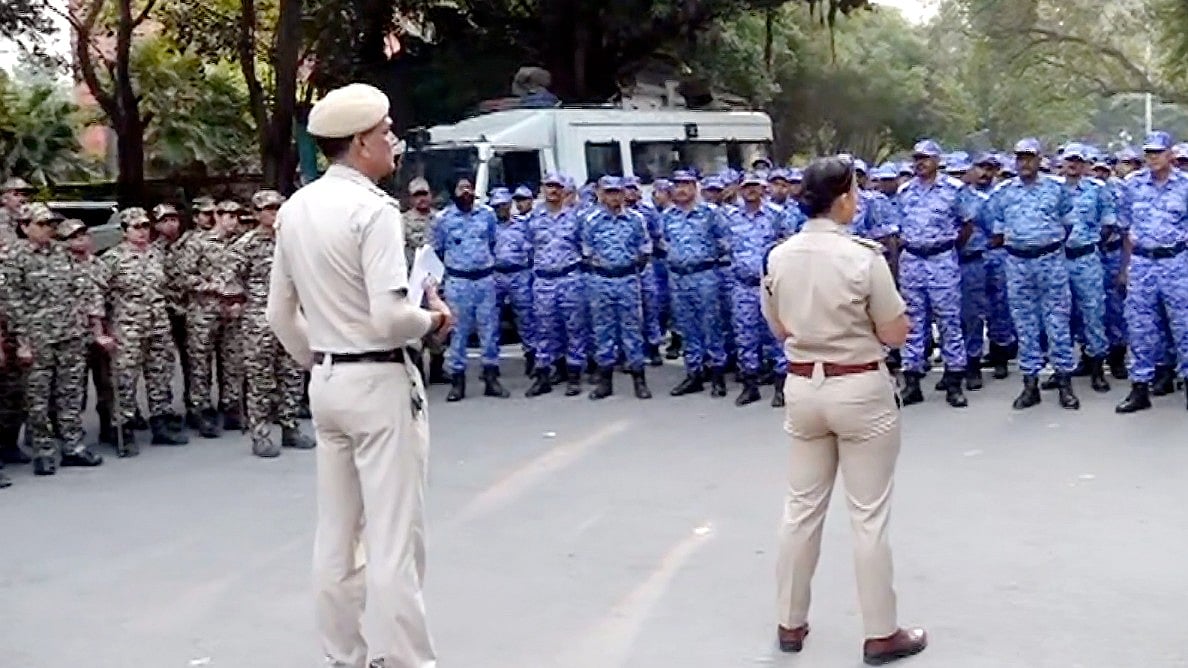
The protests come days after a report by The Indian Express highlighted alleged internal differences within the Election Commission of India.
According to the report, Election Commissioners Sukhbir Singh Sandhu and Vivek Joshi had recorded objections on at least 14 occasions over the preceding 10 months. The reported disagreements included issues relating to the Special Intensive Revision (SIR) of electoral rolls.
The report has added to the political debate surrounding the functioning of the poll body and the Opposition's allegations concerning electoral transparency.
The Election Commission's internal decision-making and the Opposition's concerns over voter lists and electoral processes have become key points of contention in the ongoing dispute.
With more than 30,000 security personnel deployed, metro restrictions in place and checks intensified at major entry points, Delhi remains under heightened security as authorities prepare for the Opposition's planned march to the Supreme Court.
Police are continuing to monitor developments across the capital, while the protest is expected to keep the focus on the Opposition's demands for electoral accountability and the controversy surrounding the Election Commission.
With PTI inputs