


Delhi to bar non-BS-VI vehicles registered outside capital from 1 November
Three-month winter pollution restriction could affect NCR commuters; CNG, electric and specified emergency vehicles exempt
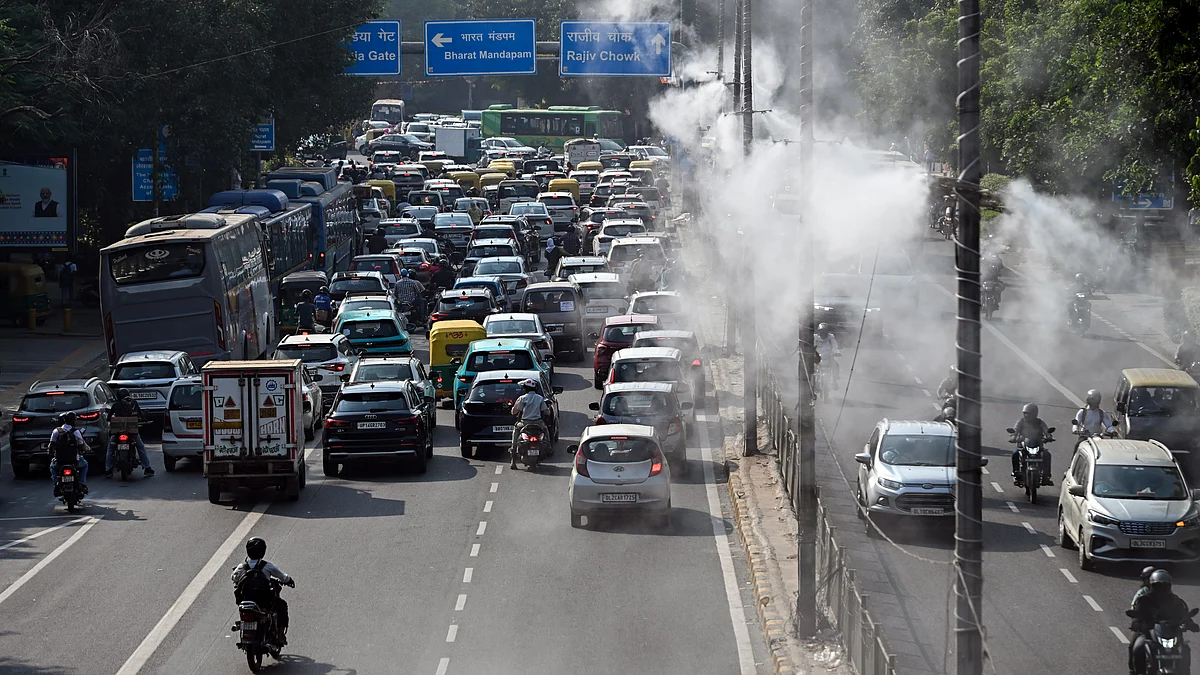


Delhi will bar vehicles registered outside the capital that fall below BS-VI emission standards from 1 November to 31 January 2027
CNG and electric vehicles, ambulances, fire tenders and specified essential-service vehicles are exempt
Estimates identify more than 10 lakh vehicles below BS-VI standards across Delhi-NCR, although exemptions will reduce the number affected
Vehicles registered outside Delhi that do not meet BS-VI emission standards will be barred from entering the capital from 1 November as authorities introduce winter pollution restrictions.
The measure will remain in force until 31 January 2027, with exemptions for CNG and electric vehicles, ambulances, fire tenders and other specified essential-service vehicles. It forms part of Delhi’s wider framework for tackling seasonal air pollution.
The restriction could affect commuters travelling from Noida, Greater Noida, Gurugram, Faridabad and Ghaziabad for work, business and other purposes.
Vehicles registered outside Delhi that comply with BS-VI standards will be permitted to enter, subject to other applicable regulations. Delhi-registered vehicles fall outside this particular entry restriction, although existing pollution-control measures and rules governing vehicle age will continue to apply.
Large number of NCR vehicles below BS-VI standards
Transport department estimates cited in the report put the number of vehicles below BS-VI standards across Delhi-NCR at more than 10 lakh. However, this figure does not represent the number that will necessarily be barred, as some vehicles qualify for exemptions.
According to estimates cited by NDTV, nearly two lakh vehicles in Gurugram and Faridabad fall below BS-VI standards, with BS-III and BS-IV models accounting for around 70 per cent. The two districts also have approximately 50,000 commercial vehicles that do not meet the prescribed norms.
Noida and Greater Noida together account for more than four lakh vehicles below BS-VI standards. Over half are BS-IV vehicles, with petrol cars making up a substantial share.
Ghaziabad has around four lakh vehicles below the emission threshold, according to a senior official quoted in the report.
The figures indicate the potential disruption for motorists in neighbouring cities who depend on private vehicles for regular journeys into Delhi.
Border checks and camera monitoring planned
Authorities are preparing to strengthen checks at Delhi’s entry points, combining physical inspections with technology-based monitoring.
Artificial intelligence-enabled Automatic Number Plate Recognition cameras are expected to scan registration plates and flag potentially non-compliant vehicles for verification.
Monitoring will focus on border checkpoints and other strategic locations, including busy routes linking Delhi with Noida, Gurugram and Ghaziabad.
Officials are also strengthening arrangements for manual checks as the restrictions take effect, with the aim of limiting emissions from vehicles entering the capital during the winter pollution season.
With IANS inputs