


EC cannot act like a ‘suspicious neighbour’, SC told as SIR hearings continue
Petitioners argue electoral body is overstepping mandate; bench says revision after 20 years cannot be derailed on procedural grounds
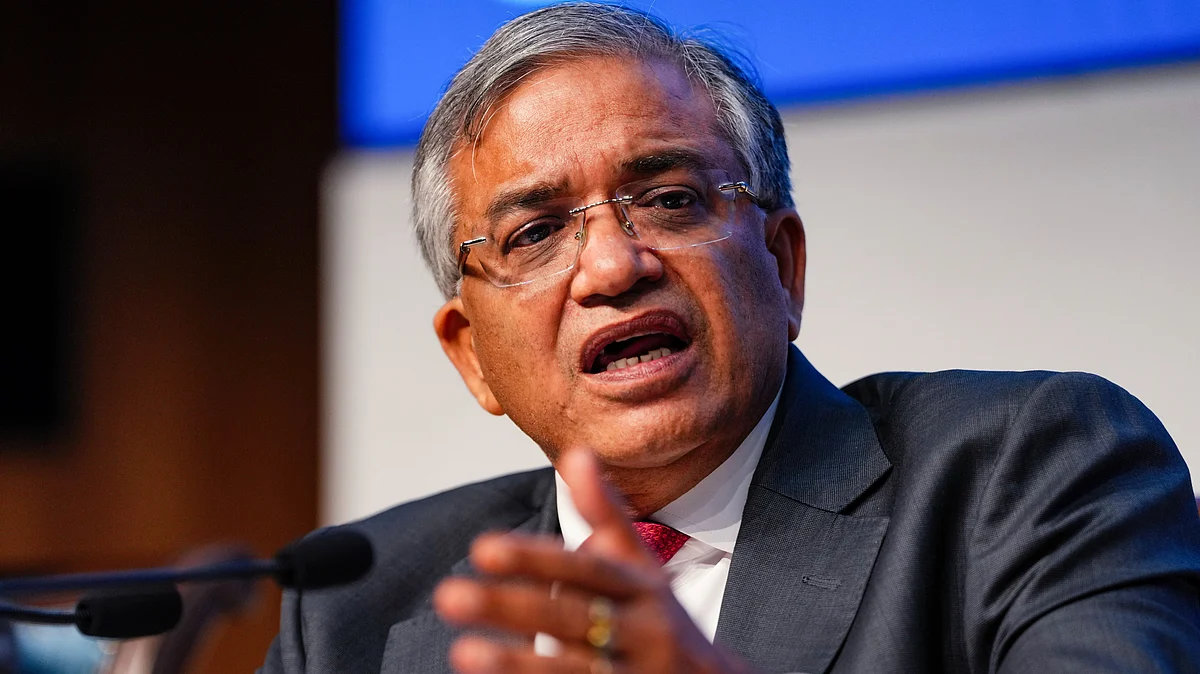


The Supreme Court on Thursday heard detailed arguments challenging the EC's (Election Commission) SIR (Special Intensive Revision) of electoral rolls, with petitioners contending that the poll body cannot assume the role of a “suspicious neighbour” or a “policeman” doubting the citizenship of voters.
A Bench of Chief Justice Surya Kant and Justice Joymalya Bagchi was hearing a batch of pleas questioning the legality and scope of SIR exercises underway in multiple states.
The Supreme Court is hearing petitions challenging the SIR, led by the Association for Democratic Reforms, which argues the process lacks legal basis and risks mass disenfranchisement.
Meanwhile, RJD MP Manoj Jha has filed a separate petition claiming the arbitrary SIR violates Articles 14, 21, 325 and 326, seeking use of existing rolls for Bihar polls and TMC MP Mahua Moitra is also challenging the citizenship document demands as ultra vires Article 326, urging restraint on similar orders elsewhere.
Senior advocate Raju Ramachandran, appearing for petitioners, criticised what he described as the EC’s “negative” approach to its mandate. He argued that the Commission is constitutionally obliged to act as a facilitator of universal adult franchise rather than as an entity that disables or restricts voter rights.
“When there is an adequate statutory scheme governing citizenship, the EC cannot become a ‘nosy parker’ instructing booth-level officers to cast doubt on voters,” Ramachandran said. He contended that initiating inquiries into citizenship based on a booth-level officer’s suspicion effectively grants the Commission the power to “suspend citizenship”.
He also argued that while the right to vote is statutory, it flows from constitutional guarantees including Article 19(1)(a) and Article 21. “Removal from an electoral roll on suspicion amounts to effectively negating citizenship,” he submitted.
Bench discusses migration, context of SIR
The Bench drew attention to the socio-economic realities behind migration. Justice Bagchi said that movement of workers across states cannot be equated with the politically loaded term “illegal migrant”.
Citing everyday examples, Justice Bagchi referred to IT professionals from Kolkata working in southern cities, while the CJI noted the vast seasonal migration of agricultural labour from Bihar to northern states such as Punjab. “Many have settled there, their children have integrated, but their roots remain in Bihar or West Bengal,” the CJI said.
Chief Justice Kant also noted that in his recent visit to Havelock Island, approximately 22,000 of the 25,000 residents were migrants.
Responding to the petitioners’ concerns regarding due process, the Bench said SIR cannot be examined with an “overly procedural lens”. “They are doing this after 20 years. It cannot become an annual feature. That is why we cannot intervene too much on technical aspects,” the Bench observed.
When petitioners objected to the alleged inquisitorial nature of SIR, Justice Bagchi clarified that the court’s questions were “dialectical” and intended to elicit responses, not to indicate a conclusive stance.
Selection of states questioned
Ramachandran questioned the rationale behind selecting nine states and three Union Territories for SIR, including Chhattisgarh, Kerala, Rajasthan, Uttar Pradesh, Lakshadweep and Andaman & Nicobar Islands.
He termed the assumption that rapid migration affects territories such as Lakshadweep or the Andamans as a “lazy assumption” and indicative of “non-application of mind”. He also questioned the urgency of conducting SIR in Chhattisgarh despite elections not being imminent, calling it a “vulnerable state” where hurried revision warrants scrutiny.
At the outset, CJI Kant directed the court registry not to accept any more fresh pleas on the issue. “Many are coming now for publicity. No fresh matters are required,” he said.
The hearings will resume on 16 December.
Earlier this week, the Bench had asked whether the EC is barred from conducting inquiries in cases where a voter’s citizenship appears doubtful and whether an inquisitorial mechanism falls outside its constitutional powers.
Join our official telegram channel (@nationalherald) and stay updated with the latest headlines