


High Courts should not prescribe custodial interrogation, says Supreme Court
Apex court grants anticipatory bail to Gujarat couple in service-record tampering case, finding custody unnecessary for allegations based on documents
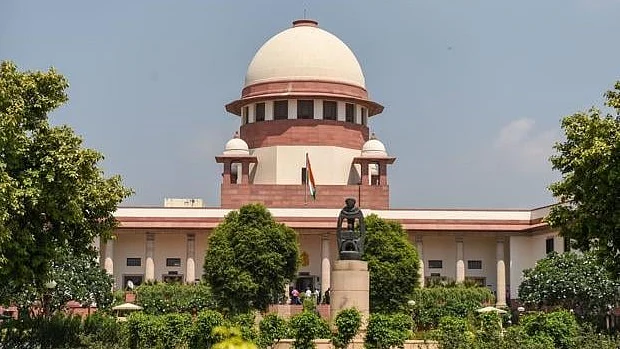


The Supreme Court said High Courts should leave the choice of interrogation methods to the investigating agencies.
It cautioned that broad observations calling for custodial interrogation could jeopardise the rights of other suspects.
The ruling came as the court granted anticipatory bail to a Gujarat couple accused of altering a school principal’s service records.
The Supreme Court has said High Courts should not suggest a particular method of interrogating an accused, stressing that such decisions are best left to the investigating agencies.
A bench of Justices Ujjal Bhuyan and Atul S. Chandurkar made the observation while granting anticipatory bail to a couple accused of manipulating a school principal’s date of birth in official records to postpone his retirement.
The court was hearing an appeal by Miteshgiri alias Mulrajgiri Sevagiri Goswami and his wife, Ilaben Miteshgiri Goswami, against the Gujarat High Court’s rejection of their anticipatory bail applications.
In its 16 June 2026 order, the High Court had described custodial interrogation of the applicant and all other suspects as essential to establish the truth. The Supreme Court disapproved of that observation, saying courts should avoid prescribing how investigators question an accused.
The bench also cautioned against extending such remarks to other suspects, noting that sweeping observations could affect the rights of people who had not been named as accused.
Examining the allegations against the couple, the Supreme Court found that the case rested primarily on documentary evidence and that custodial interrogation was unnecessary.
The prosecution’s case was that the principal’s date of birth had been changed from 19 June 1964 to 19 June 1965 in his service records. Authorities contended that the alteration deferred his retirement and resulted in an unlawful financial benefit at the expense of the public exchequer.
The husband was principal of Shri Secondary School in Vekaria, while his wife headed the school’s governing body. The FIR was registered at Visavadar police station in Gujarat’s Junagadh district under provisions of the Bharatiya Nyaya Sanhita, 2023.
On 25 August, the Supreme Court had granted the couple interim protection from arrest, conditional on their cooperation with the investigation.
After examining an affidavit submitted by the Gujarat government, the bench confirmed that protection and directed both appellants to continue cooperating with investigators.
The court allowed their appeal and set aside the Gujarat High Court’s order.
With IANS inputs
Join our official telegram channel (@nationalherald) and stay updated with the latest headlines