


India braces for a cooler winter as WMO reports 55% likelihood of La Niña
Winter cold spells in northern and central India are projected to be less intense despite La Niña’s cooling tendency
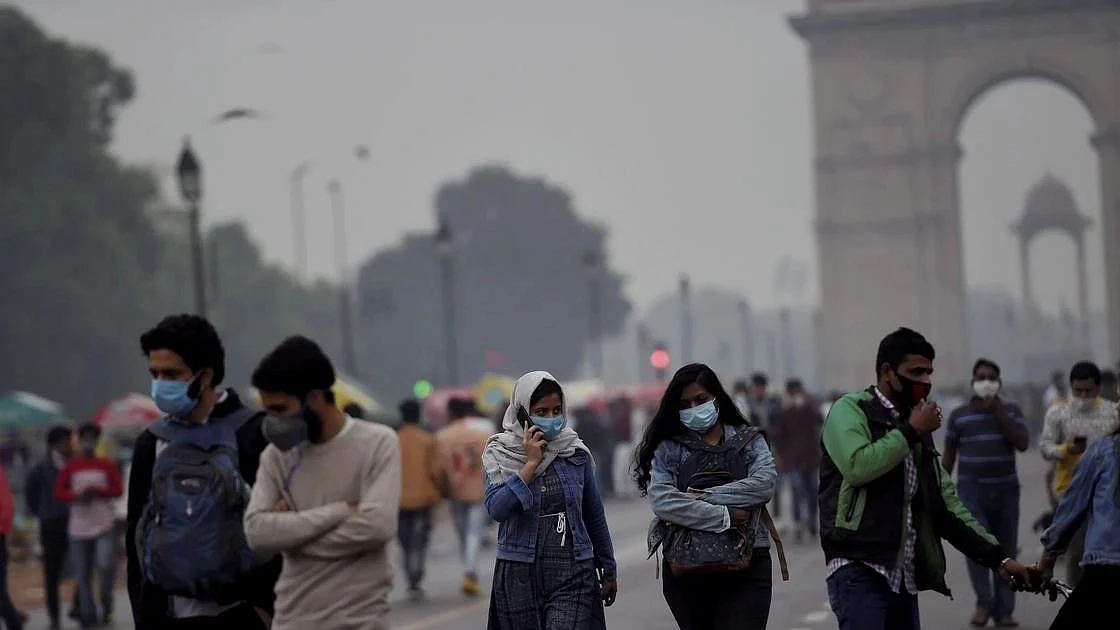


There is a 55 per cent chance of a weak La Nina affecting global weather and climate patterns over the next three months, the WMO (World Meteorological Organization) said on Thursday.
La Nina usually brings a temporary cooling effect on global average temperatures but many regions are still expected to record warmer-than-normal conditions, the UN climate and weather agency said in its latest update.
La Nina and El Nino are opposite phases of a Pacific Ocean climate cycle known as ENSO (El Nino-Southern Oscillation). La Nina is the periodic large-scale cooling of sea surface temperatures in the central and eastern equatorial Pacific Ocean and is linked to changes in tropical winds, pressure and rainfall.
El Nino is the "warm phase" of this cycle. It often weakens India's monsoon and increases the chances of drought.
According to the latest forecasts from WMO's Global Producing Centres for Seasonal Prediction, oceanic and atmospheric indicators in mid-November 2025 point to borderline La Nina conditions.
The 55 per cent probability of crossing the La Nina threshold is expected during the ongoing December-February phase.
Earlier this week, the India Meteorological Department said normal to below-normal temperatures are expected in central India and the adjoining northwest and peninsular regions during the three-month winter season amid weak La Nina conditions.
WMO said that for January-March and February-April 2026, the chances of a return to ENSO-neutral conditions rise from about 65 per cent to 75 per cent. The likelihood of an El Nino is low.
While ENSO is a major driver of global climate patterns, it is not the only factor influencing Earth's climate.
Climate change altering La Niña’s impact on India this year
Despite La Niña’s historical association with cooler global temperatures and a stronger, wetter southwest monsoon for India, scientists warn that climate change is now reshaping these traditional patterns. India’s climate system is warming so rapidly that even La Niña years are no longer able to deliver the cooling relief they once did.
According to climate researchers, the background warming from greenhouse gas emissions is amplifying extreme events — meaning La Niña conditions may coexist with record-breaking heatwaves, erratic rainfall and intensified cyclones.
This year’s weak La Niña is expected to influence winter temperatures and rainfall, but in a world that has already warmed by around 1.3°C, these impacts may deviate from historical norms.
For instance, winter cold spells in northern and central India are projected to be less intense despite La Niña’s cooling tendency. At the same time, warmer Arabian Sea and Bay of Bengal waters — driven by long-term climate change — could increase the likelihood of unseasonal rainfall bursts or stronger post-monsoon cyclones.
Experts caution that India is entering an era where ENSO phases like El Niño and La Niña no longer behave predictably. Instead, they now act on top of an already destabilised climate system, making seasonal forecasts more uncertain and extreme events more common.
With PTI inputs
Join our official telegram channel (@nationalherald) and stay updated with the latest headlines