


India likely to receive below-normal rainfall in July: IMD
Monthly rainfall forecast pegged at 94 per cent of the long-period average, raising concerns over water availability and agricultural operations in several parts of the country
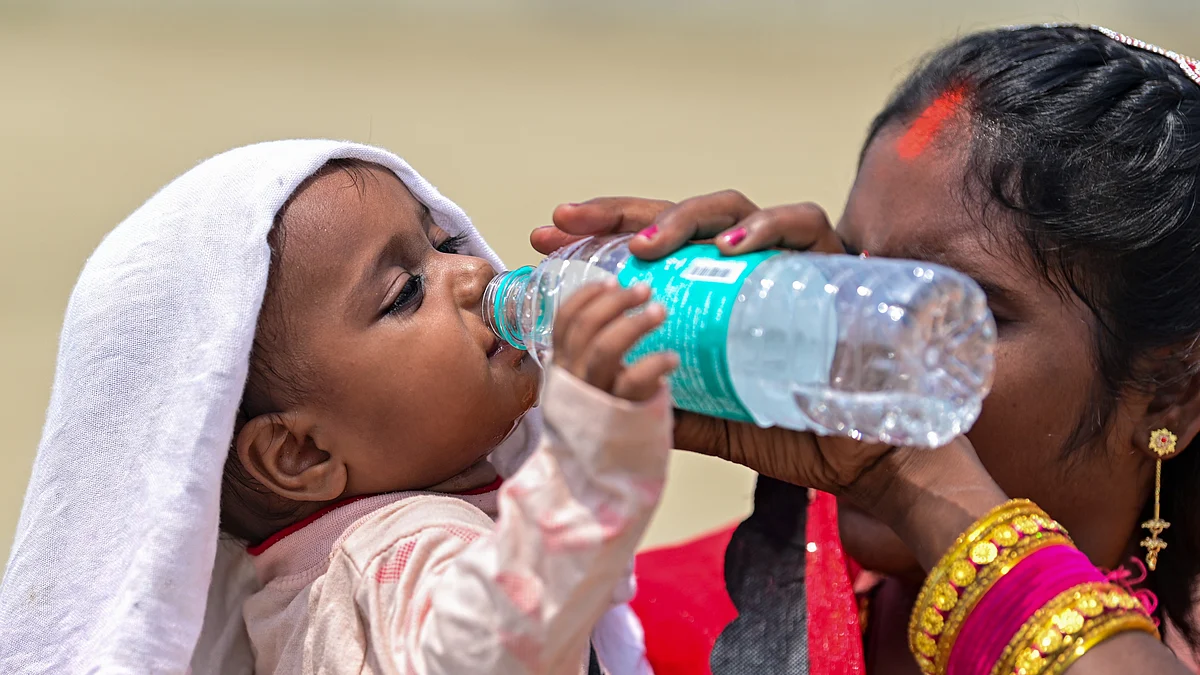


India is likely to receive below-normal rainfall in July, with the monthly average rainfall expected to be 94 per cent of the Long Period Average (LPA), the India Meteorological Department (IMD) said on Tuesday in its monthly forecast.
The weather department said the LPA rainfall over the country for July, based on the 1971–2020 period, is about 280.4 mm.
LPA refers to the average rainfall recorded over a particular region during a specified period, such as a month or a season, over a long-term reference period, typically spanning 30 to 50 years. Rainfall between 96 per cent and 104 per cent of the LPA is generally considered normal.
According to the IMD, some parts of northwest and northeast India, east-central India and the eastern peninsular region are likely to receive normal to above-normal rainfall during July. However, most other parts of the country are expected to witness below-normal precipitation.
"During July, below-normal rainfall is likely across most parts of the country except some areas of northwest and northeast India, east-central India and the eastern peninsular region where normal to above-normal rainfall is likely," Dr. Mrutyunjay Mohapatra, Director General of Meteorology at the IMD, said in a statement.
July is a crucial month for the southwest monsoon as it accounts for a significant share of the seasonal rainfall and supports sowing of key kharif crops such as rice, maize, soybean and pulses.
Rainfall during the month also replenishes reservoirs, rivers and groundwater, which are vital for irrigation, drinking water supply and hydropower generation.
Below-normal rainfall during the peak monsoon month could put additional pressure on regions already grappling with water stress.
Several parts of the country experience recurring water shortages during the summer months due to declining groundwater levels, rapid urbanisation, uneven rainfall distribution and growing demand from agriculture, industry and households. Reservoir levels and soil moisture in the coming weeks will therefore be closely monitored as they play a key role in determining water availability for the rest of the year.
The IMD's monthly outlook will be watched closely by policymakers, farmers and water resource managers as they plan agricultural operations and assess the potential impact on water storage and irrigation.
Join our official telegram channel (@nationalherald) and stay updated with the latest headlines