


ISRO’s PSLV-C62 makes 1st launch of 2026 with EOS-N1 satellite
The EOS-N1 mission aims to boost India’s remote sensing for agriculture, urban planning and environmental monitoring
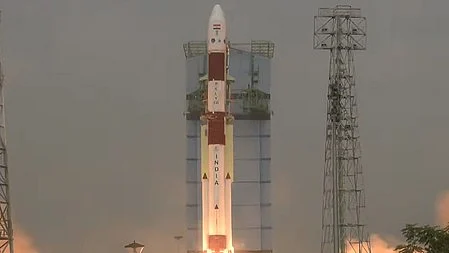


The Indian Space Research Organisation (ISRO) on Monday kicked off its launch calendar for 2026 with the successful liftoff of the EOS-N1 Earth observation satellite, also known as Anwesha, aboard the PSLV-C62 rocket.
The satellite was launched on the 64th flight of the Polar Satellite Launch Vehicle at 10:17 am IST from the First Launch Pad at the Satish Dhawan Space Centre (SDSC), Sriharikota.
“Liftoff! PSLV-C62 launches the EOS-N1 Mission from SDSC-SHAR, Sriharikota,” ISRO said in a post on X.
The EOS-N1 mission is aimed at strengthening India’s remote sensing capabilities, with applications in agriculture, urban planning and environmental monitoring. The mission also carries 15 co-passenger satellites, all of which are planned to be injected into Sun-Synchronous Orbit.
ISRO said the mission will also demonstrate the Kestrel Initial Technology Demonstrator (KID), a prototype re-entry capsule developed by a Spanish startup. The KID capsule will be the last co-passenger to be deployed before undertaking a controlled re-entry into Earth’s atmosphere, with a planned splashdown in the South Pacific Ocean.
The PSLV-C62/EOS-N1 mission marks the ninth dedicated commercial launch undertaken by NewSpace India Limited (NSIL), ISRO’s commercial arm. It is also the fifth mission using the PSLV-DL configuration, which features two solid strap-on boosters.
With this flight, PSLV has completed 64 launches, having powered several landmark missions including Chandrayaan-1, the Mars Orbiter Mission, Aditya-L1 and Astrosat. In 2017, the launcher set a world record by deploying 104 satellites in a single mission.
ISRO’s previous launch attempt, PSLV-C61, took place in May when the agency attempted to place the EOS-09 Earth observation satellite into a 505-km Sun-Synchronous Polar Orbit. While the initial phases of that mission were successful, a technical anomaly in the rocket’s third stage prevented the satellite from reaching its intended orbit.
With IANS inputs
Join our official telegram channel (@nationalherald) and stay updated with the latest headlines