


Judge’s name restored to Bengal voter roll after media publicity
Sahidullah Munshi’s reinstatement highlights sharp contrast with ordinary voters navigating confusion, deletions and appeals
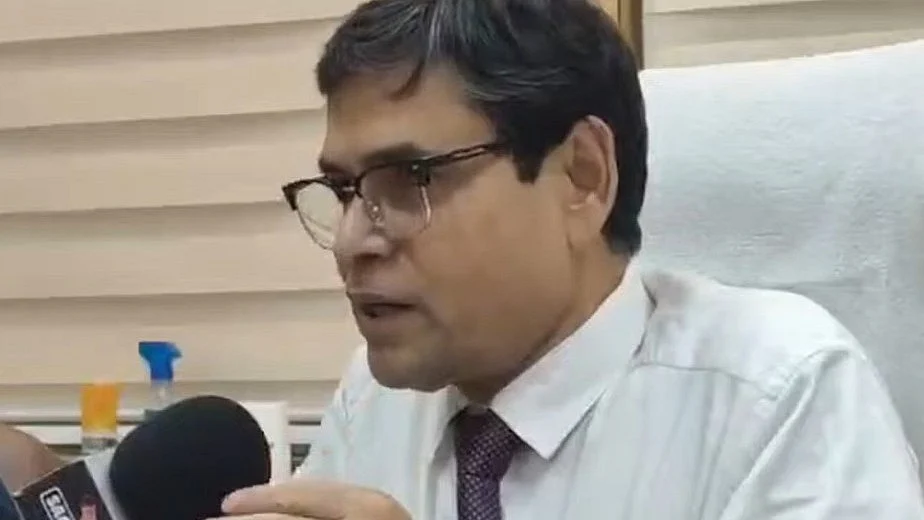


Former Calcutta High Court judge Sahidullah Munshi and members of his family have been reinstated in West Bengal’s electoral roll under the special intensive revision (SIR) exercise, hours after the former judge publicly flagged that the names had been excluded despite submitting all required documents.
Munshi’s inclusion in the supplementary list dated 27 March comes as thousands of voters across the state continue to run from pillar to post to restore their names amid widespread confusion over deletions and adjudication statuses in the ongoing revision exercise ahead of the end-April Assembly polls.
The retired judge had earlier said that his name was shown as 'not found' while his wife and son were marked 'under adjudication', despite participating in the verification process twice and furnishing the necessary documentation.
Now, in a swift correction reflected in the latest supplementary list accessed by Live Law, Munshi and his family appear to have cleared the scrutiny hurdle — a turnaround that has raised eyebrows given the struggles faced by ordinary voters seeking similar redress.
Munshi served as a judge of the Calcutta High Court from 2013 until his retirement in September 2020 and currently heads the West Bengal Board of Auqaf.
The Supreme Court has already directed the creation of appellate tribunals comprising former high court chief justices and judges to hear appeals against exclusions in the SIR process, amid concerns about the absence of an independent grievance mechanism.
Lakhs still in limbo
The broader SIR exercise has triggered widespread anxiety among voters, with reports indicating that tens of lakhs of names have been deleted or placed under adjudication as part of the roll-cleaning drive.
More than 75 lakh names have already been removed from West Bengal’s electoral rolls — nearly 10 per cent of the electorate — with millions more still under scrutiny.
Many voters say they are struggling to understand why names have been struck off or placed under review despite submitting valid documentation. In several instances, members of the same family have reportedly received different statuses — some retained, others removed or marked for further verification — adding to confusion and uncertainty.
Booth-level officers (BLOs) have been flooded with queries from anxious citizens attempting to confirm whether they remain eligible to vote, reflecting the scale of concern surrounding the process.
Political leaders have also alleged that lakhs of voters may have been excluded, with claims that deletions in certain constituencies run unusually high, though the Election Commission maintains that the exercise is a legally mandated clean-up of electoral rolls aimed at removing duplicate, shifted or deceased voters.
However, the scale and timing of the ongoing revision — weeks before polling — has heightened scrutiny, with critics arguing that the compressed timeline leaves limited room for appeals and corrections.
Against this backdrop, Munshi’s swift reinstatement after public attention has drawn pointed comparisons with the experience of ordinary voters, many of whom continue to navigate bureaucratic hurdles, documentation demands and uncertainty over whether they will be able to exercise their franchise in the upcoming election.
Join our official telegram channel (@nationalherald) and stay updated with the latest headlines