


Leopard deaths in Madhya Pradesh raise concerns despite official reassurance
RTI data shows accidents as leading cause of fatalities even as authorities defend mortality rate
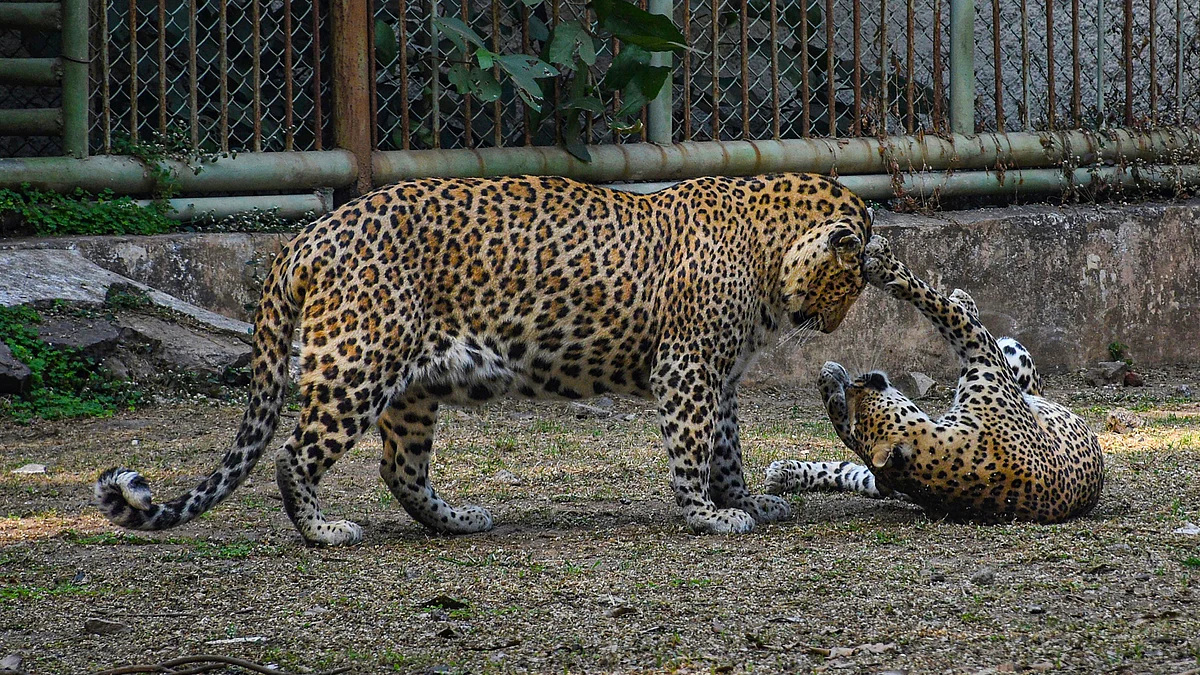


A total of 149 leopards have died in Madhya Pradesh over a 14-month period beginning January last year, with road accidents emerging as the leading cause, according to data obtained through a Right to Information (RTI) query.
The figures, accessed by wildlife activist Ajay Dube, have sparked concern, with Dube describing the situation as a “grim reality”. However, the forest department has maintained that efforts are underway to curb fatalities and that the current mortality rate remains within acceptable limits.
Madhya Pradesh, which has the highest leopard population in India, is home to around 3,907 leopards, according to the ‘Status of Leopards in India 2022’ report released in 2024. This marks a steady rise from 3,421 recorded in 2018.
The RTI response revealed that 31 per cent of leopard deaths during the period were caused by road accidents, including 19 fatalities on highways. Natural causes such as age and disease accounted for 24 per cent, while 21 per cent were attributed to conflicts among wildlife.
Poaching and retaliatory killings were responsible for approximately 14 per cent of the deaths. Additionally, eight leopards died due to electrocution, either accidental or deliberate, while two were caught in snares. In around nine per cent of cases, the cause of death could not be determined.
Senior forest officials said measures are being implemented to reduce mortality, including the construction of animal passages along new roads, improved signage and increased patrolling in vulnerable areas.
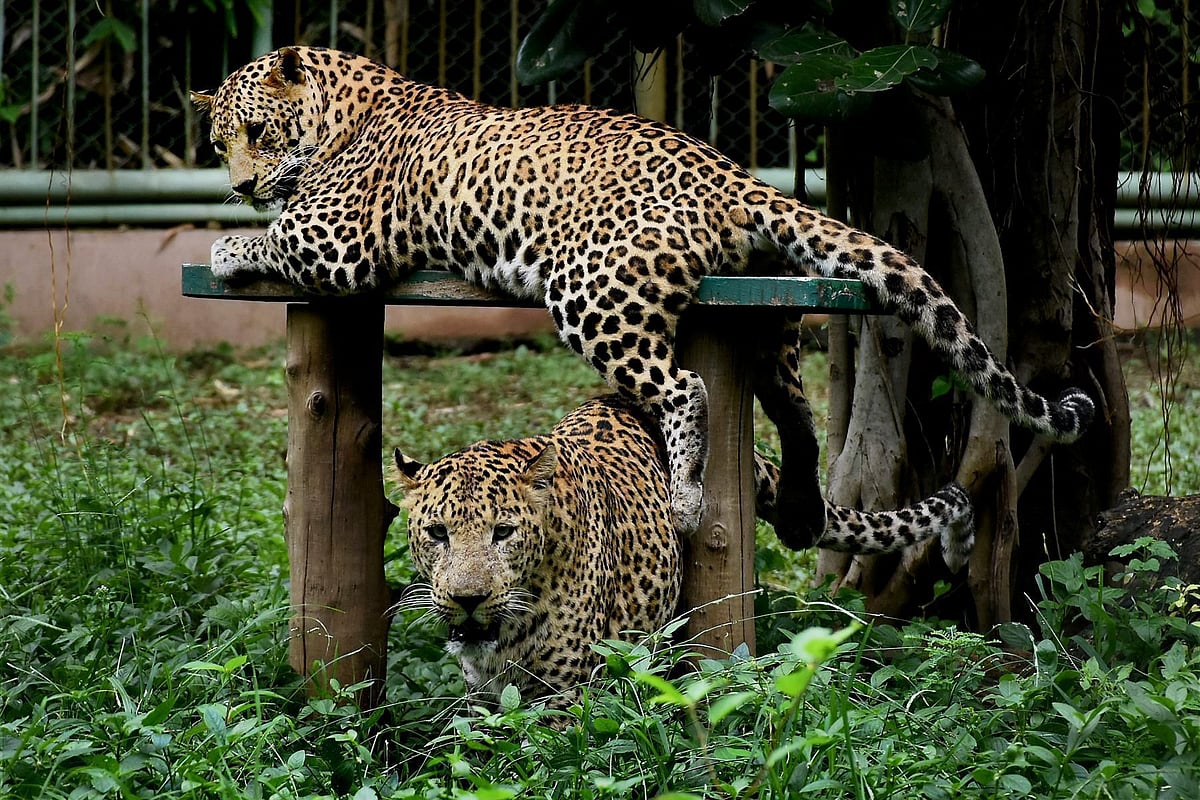
Authorities are also advising against the creation of water sources near roads, as these tend to attract wildlife and increase the risk of accidents.
An official noted that the loss of 149 leopards out of a population of roughly 4,000 translates to a mortality rate of about four per cent, which falls within the expected range for big cats. Experts suggest that annual mortality in such species can range between 10 and 20 per cent due to natural and environmental factors.
However, Dube criticised the situation, arguing that the high number of deaths reflects systemic failures in wildlife protection. He alleged that inadequate implementation of conservation protocols and the absence of safe corridors are contributing to the decline.
He also raised concerns over what he described as a lack of accountability in deaths linked to infrastructure and electrocution, claiming that conservation efforts have not prioritised leopards to the same extent as other species.
The contrasting views highlight the ongoing debate between conservationists and authorities over wildlife management in one of India’s most biodiverse states.
With PTI inputs
Join our official telegram channel (@nationalherald) and stay updated with the latest headlines