


President clears VB-G RAM G Bill to replace MGNREGA, despite opposition objections
Opposition leaders warned that seasonal pauses could deny work during crucial sowing and harvesting periods
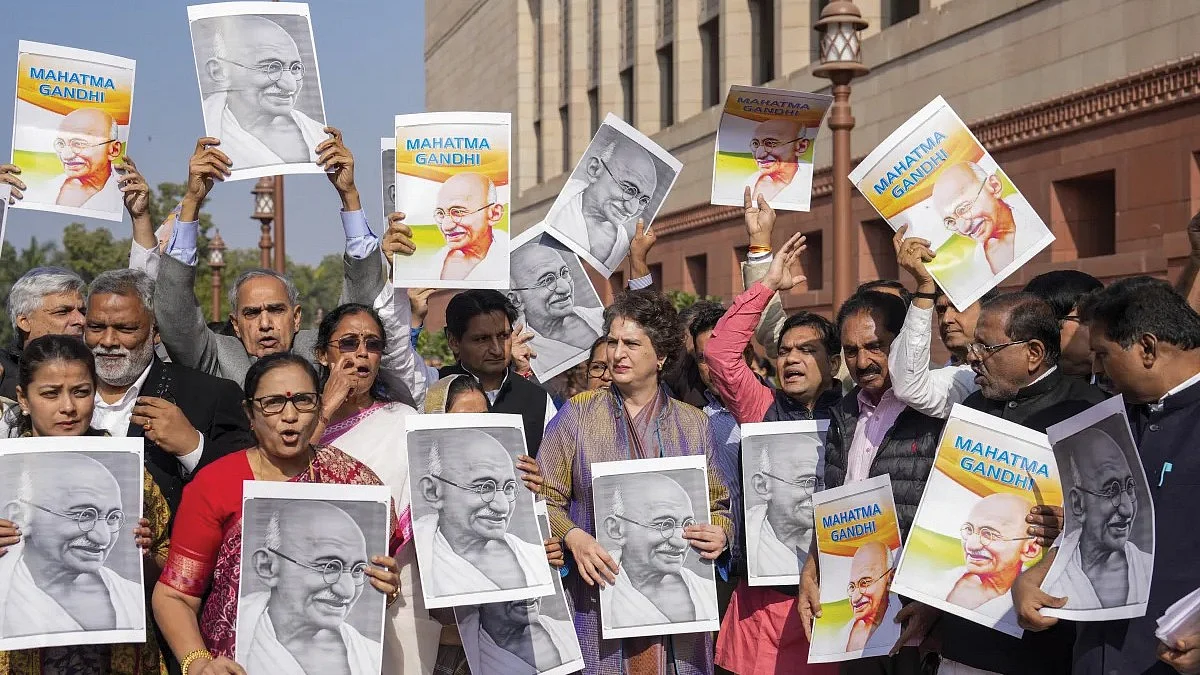


President Droupadi Murmu on Sunday gave her assent to the Viksit Bharat Guarantee for Rozgar and Ajeevika Mission (Gramin) (VB-G RAM G) Bill, the Ministry of Rural Development said, paving the way for a new rural employment framework to replace the Mahatma Gandhi National Rural Employment Guarantee Act.
The VB-G RAM G Bill, 2025, was passed by Parliament amid protests from opposition parties. The government says the legislation aligns rural employment with its long-term vision of Viksit Bharat 2047 and increases the annual guarantee of wage employment from 100 to 125 days per rural household.
Introduced in the Lok Sabha on December 16, 2025, the law also restructures funding and implementation. It sets a 60:40 cost-sharing formula between the Centre and states, with a 90:10 split for northeastern and Himalayan states. Open-ended budgeting under the previous law will be replaced by normative state allocations.
According to official claims, the new framework will deploy technology-led safeguards, including biometric attendance, artificial intelligence-based fraud detection and GPS-enabled tracking of worksites. It also allows seasonal pauses of up to 60 days during peak agricultural periods and seeks to create a national rural infrastructure stack integrated with PM Gati Shakti to support water security, roads, livelihoods and disaster-related works.
The Congress, however, has mounted a strong attack on the legislation, arguing that it weakens the core employment guarantee. Party leaders, including Priyanka Gandhi Vadra, said the shift to capped, supply-driven funding undermines the demand-driven nature of rural employment and places an additional 40 per cent financial burden on states.
Opposition leaders also criticised provisions allowing seasonal pauses, warning that halting work during sowing and harvesting periods could deny employment precisely when rural households need income support the most. They described the promise of higher workdays as a “hollow assurance”, claiming the bill prioritises farm activity cycles over poverty alleviation.
The Congress had demanded that the bill be referred to a parliamentary standing committee for detailed scrutiny, accusing the government of rushing it through without adequate debate. The party maintains that capped budgets and higher state contributions effectively replace a universal entitlement with what it termed a centralised, discretionary scheme.
Despite the criticism, the government insists the new law will modernise rural employment, improve transparency and efficiency, and better integrate public works with national development priorities.
With PTI inputs
Join our official telegram channel (@nationalherald) and stay updated with the latest headlines