


Proposal to lift Chinese contract curbs draws sharp Congress criticism
Proposed rollback of 2020 restrictions sparks political row amid efforts to revive commercial ties with China
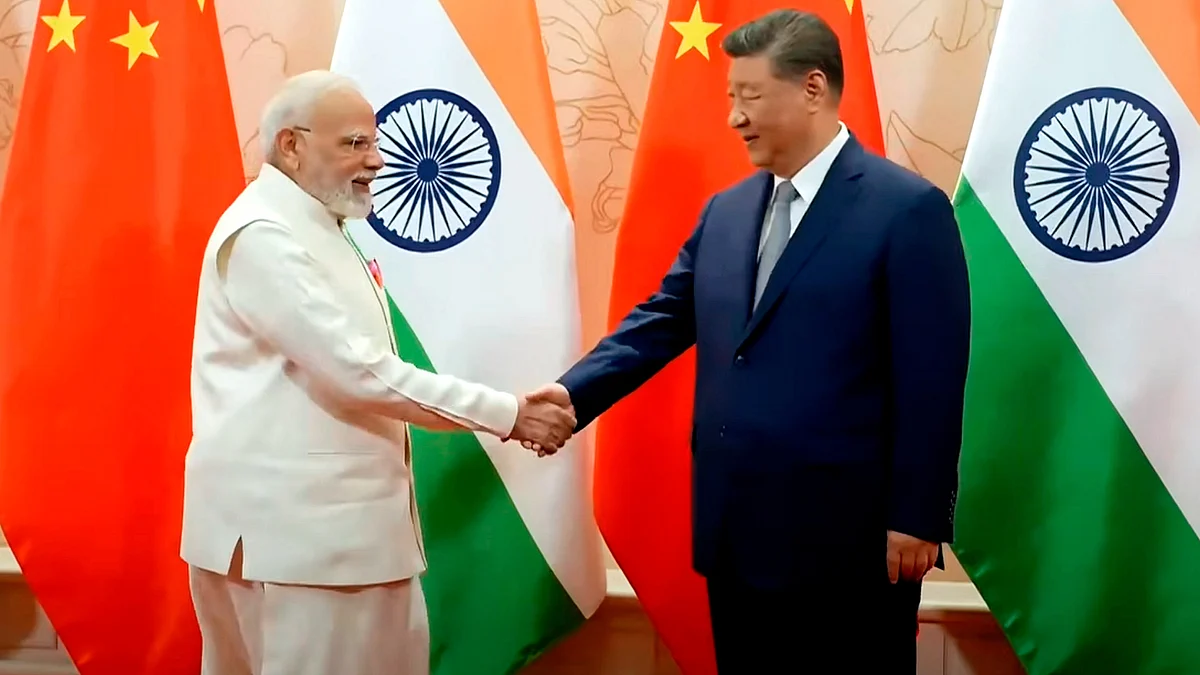


The Centre is considering scrapping restrictions imposed in 2020 on Chinese companies bidding for Indian government contracts, according to government sources, in a move aimed at reviving commercial engagement as border tensions with China ease. The proposal has triggered sharp criticism from the Congress, which accused the government of undermining the sacrifice of Indian soldiers killed in the Galwan Valley clash.
The restrictions were introduced after a deadly confrontation between Indian and Chinese troops along the Line of Actual Control and required Chinese bidders to register with a government panel and secure political and security clearances. The measures effectively shut Chinese firms out of government contracts estimated to be worth between $700 billion and $750 billion.
Reuters first reported that two government sources said officials in the finance ministry were working on removing the mandatory registration requirement, though the final decision will rest with the Prime Minister’s Office. The finance ministry and the PMO did not respond to requests for comment.
The plan follows representations from several government departments that have flagged shortages and project delays linked to the curbs. Officials said limitations on Chinese participation have slowed procurement and execution across sectors, including infrastructure and power.
The impact of the restrictions became evident within months of their introduction. China’s state-owned CRRC was disqualified from bidding for a $216 million train manufacturing contract, while overall project awards to Chinese firms fell sharply. According to a 2024 report by the Observer Research Foundation, the value of new projects secured by Chinese bidders dropped 27 per cent year-on-year to $1.67 billion in 2021.
Officials said curbs on Chinese equipment imports, particularly for the power sector, have also complicated India’s plans to expand thermal power capacity to around 307 GW over the next decade. A high-level committee chaired by former cabinet secretary Rajiv Gauba has reportedly recommended easing the restrictions to address supply bottlenecks and execution delays.
The prospect of relaxing the curbs has drawn a fierce political response from the Congress. In a post on X, the party alleged that the government was preparing to re-open government contracts to Chinese companies despite past hostilities, including the Galwan Valley clash in which 20 Indian soldiers were killed.
The Congress accused Prime Minister Narendra Modi of previously downplaying Chinese incursions and said the current move amounted to an insult to the memory of fallen soldiers. It also claimed that China had supported Pakistan during recent military operations, arguing that renewed engagement sent the wrong strategic signal.
The opposition party questioned why the government was seeking closer commercial ties with Beijing and accused it of abandoning its earlier tough stance on national security.
The government has not formally responded to the criticism, but officials maintain that any decision will balance strategic, security and economic considerations as India seeks to manage supply chains and revive stalled projects without compromising national interests.
With agency inputs
Join our official telegram channel (@nationalherald) and stay updated with the latest headlines