


Punjab’s return to ballots for municipal elections sparks controversy
Legal battles end, but opposition alleges election manipulation as Punjab returns to traditional voting
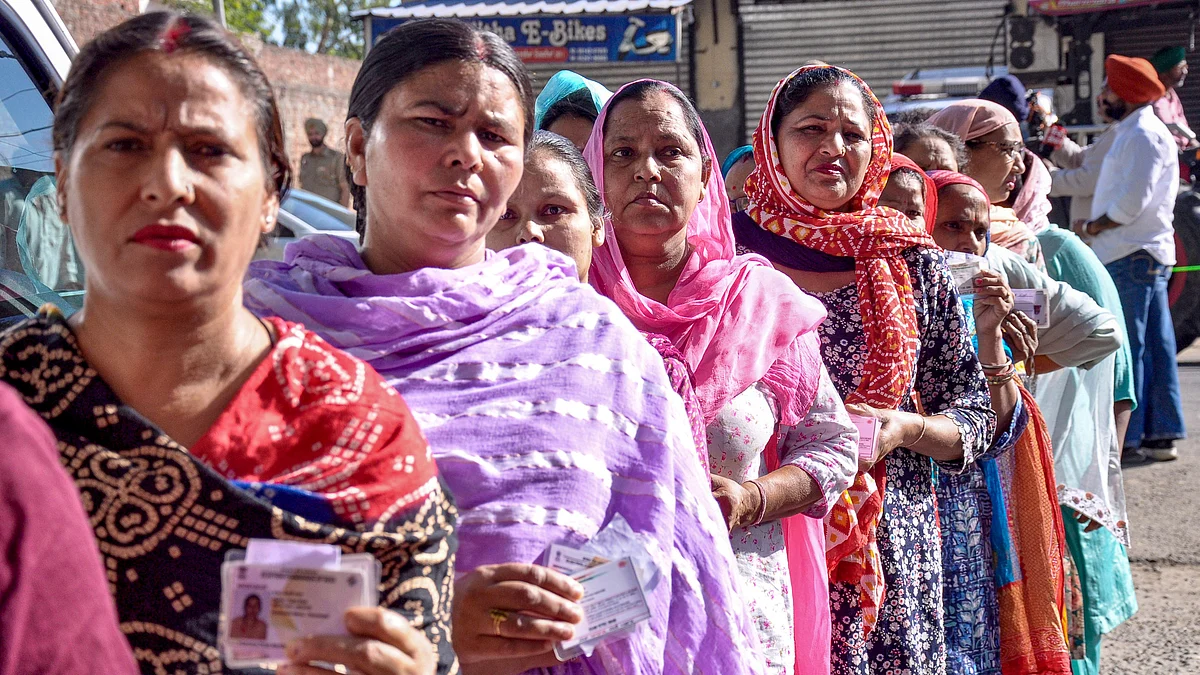


The sudden return to ballot papers in Punjab’s municipal elections has sparked not only legal battles but also intense political controversy. Elections for 104 municipal bodies and eight major municipal corporations are now being conducted using traditional ballot boxes instead of Electronic Voting Machines (EVMs). The opposition accuses the ruling government of creating conditions conducive to manipulation, intimidation and electoral malpractice.
The controversy peaked on Monday, 25 May, when the Supreme Court refused to stall the elections or direct the Punjab State Election Commission (SEC) to revert to EVMs. A bench headed by Chief Justice Surya Kant observed that incidents like booth capturing would indicate a “failure of law and order” but declined to intervene at such a late stage in the process.
The apex court heard appeals against an earlier order by the Punjab and Haryana High Court, which had also refused to halt the polls, stating that judicial intervention so close to the elections would cause more disruption than resolution.
Despite legal closure, political questions remain. The SEC explained that EVMs could not be procured in time due to logistical issues and a disagreement with the Election Commission of India (ECI) over the availability and type of machines. The SEC had sought M2 model EVMs, while the ECI offered newer M3A machines.
Critics argue that this explanation is weak, pointing out that Punjab has successfully used EVMs for years. Opposition parties claim the sudden return to ballot papers was a politically motivated move rather than an administrative necessity.
During the Supreme Court hearing, petitioners warned of possible booth capturing and sought appointment of a senior IPS officer as poll observer. The court declined.
Petitioners relied on the Supreme Court’s earlier judgment in the Association for Democratic Reforms case, which deemed any return to ballot papers a “regressive” step absent substantial evidence against EVMs. However, the Punjab and Haryana High Court noted the Punjab Municipal Election Rules, 1994, still allow both ballot papers and EVMs, legally empowering the SEC to choose either method.
The timing of the decision has fuelled suspicion, amid accusations from opposition parties against the ruling government for misusing state machinery and rejecting key opposition nominations. The opposition’s mistrust has deepened with the abandonment of EVMs.
While the courts prioritised institutional stability, the controversy has raised larger political concerns. The SEC may be legally justified, but politically, the decision has given the opposition a strong narrative that the elections are a contest over the credibility and fairness of Punjab’s democratic process.
Join our official telegram channel (@nationalherald) and stay updated with the latest headlines