


Supreme Court issues nationwide directions over uneven solid waste rules enforcement
Bench says right to clean environment is integral to right to life, warns non-compliance will invite fines and prosecution
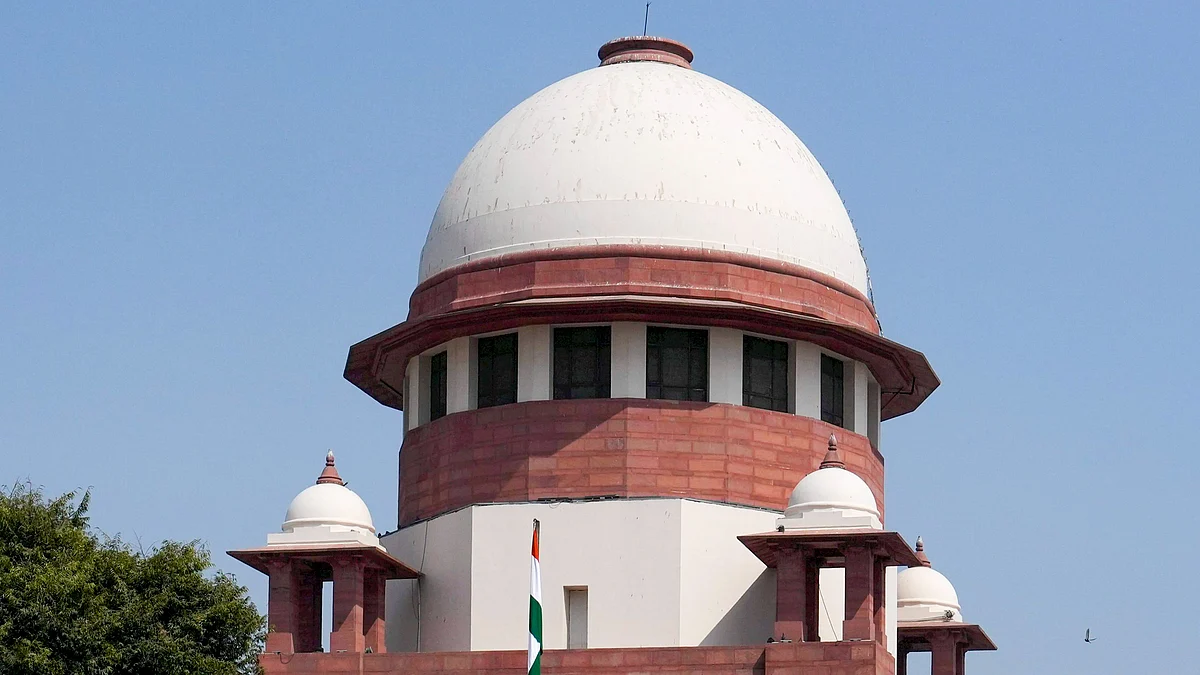


The Supreme Court has expressed concern over patchy implementation of India’s solid waste management framework and issued a series of nationwide directions to ensure full enforcement of the Solid Waste Management (SWM) Rules, 2026, which come into force on 1 April.
Observing that the right to a clean and healthy environment is inseparable from the right to life, a bench of Justices Pankaj Mithal and S V N Bhatti said the country cannot afford to delay effective implementation while gaps persist on the ground.
“Compliance of MSW/SWM Rules remains uneven across India,” the bench noted in its 19 February order. It pointed out that although segregation of waste at source into wet, dry and hazardous streams is mandatory, it has yet to be fully realised in many urban and rural areas. Large dumpsites continue to operate in metropolitan cities despite bio-remediation efforts initiated under recent mandates.
The court passed the directions while hearing two appeals arising from separate orders of the National Green Tribunal concerning environmental compliance by the Bhopal Municipal Corporation under the 2016 waste management rules.
Stressing the urgency of reform, the bench remarked, “It is now or never,” adding that expecting high results without the fundamental groundwork of source segregation and infrastructure development would be unrealistic. It also linked rising waste generation to India’s changing economic landscape, warning that neglecting municipal solid waste would have consequences for both public health and the economy.
Under the directions, councillors, mayors, chairpersons, corporators and ward members have been designated as lead facilitators for promoting segregation at source. The court said these elected representatives are duty-bound to enrol every citizen in their wards in implementing the 2026 Rules.
District collectors have been tasked with conducting infrastructure audits of solid waste systems and reporting identified gaps and corrective measures to the respective chief secretaries within fixed timelines. They have also been empowered to oversee waste management operations by municipal corporations, municipalities and gram panchayats, and to escalate non-compliance reports to state and central authorities.
Every local body must set and publicise an outer deadline for achieving 100 per cent compliance. The court further directed that compliance reports submitted to district collectors must include photographic evidence to verify actual progress in waste removal and infrastructure readiness.
Pollution control boards have been instructed to identify and fast-track infrastructure required for four-stream segregation, covering wet, dry, sanitary and special care waste. Bulk waste generators must be formally notified of the 2026 Rules and achieve full statutory compliance by 31 March.
The bench also directed the Ministry of Environment, Forest and Climate Change to issue suitable instructions under Rule 33 of the 2026 Rules to integrate solid waste management practices into school curricula. To address awareness gaps, summaries of the Rules — particularly provisions relating to households — are to be translated into local languages across states and Union territories.
Warning of strict enforcement, the court said non-compliance would no longer be treated as a mere administrative lapse. It outlined a three-tier enforcement mechanism, beginning with immediate fines for initial violations by waste generators or local authorities. Continued non-compliance could lead to criminal prosecution under environmental laws, extending to officials who fail in their oversight responsibilities.
The bench noted that offences relating to solid waste mismanagement are penal in nature and that the deployment of mobile courts to address real-time violations is under consideration.
Describing the directions as preparatory steps before the Rules take effect, the court also urged chief justices of high courts and heads of tribunals to ensure that all courts and tribunals comply with the 2026 framework from 1 April.
Local bodies have been mandated to launch public awareness campaigns to educate citizens on reducing waste, practising home composting, securely wrapping sanitary waste and handing over segregated waste for collection.
With IANS input
Join our official telegram channel (@nationalherald) and stay updated with the latest headlines