


Umar Khalid, Sharjeel Imam return to Supreme Court in years-long bail fight
Court sought Delhi Police’s response to their latest bail pleas in the 2020 Delhi riots conspiracy case and deferred consideration of interim relief
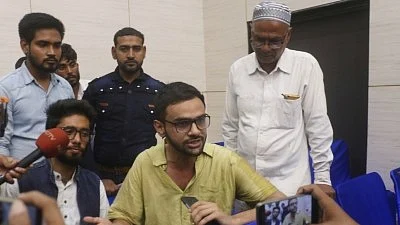


Since 2021, Umar Khalid has made at least nine regular-bail filings and Sharjeel Imam at least six in the conspiracy case, counting trial-court applications and appeals separately
Khalid’s lawyer said he had spent more than six years in custody. The Supreme Court said it would hear Delhi Police before considering interim bail for either activist
A new three-judge bench will take up the pleas amid differing readings of a Supreme Court ruling on whether prolonged detention and trial delays can justify bail under the UAPA
Umar Khalid and Sharjeel Imam returned to the Supreme Court on Wednesday in their latest bid for bail in the alleged conspiracy behind the February 2020 Delhi riots. The court asked Delhi Police to respond to their appeals against the Delhi High Court’s refusal of bail and deferred consideration of their requests for interim release, LiveLaw reported.
Senior advocate Kapil Sibal told the bench that Khalid had spent more than six years in custody. He pointed to interim bail granted to a co-accused in the same case. Senior advocate Siddharth Dave sought similar relief for Imam, arguing that his appeal arose from the court’s January ruling, which set out when the two men could apply again. Solicitor General Tushar Mehta, appearing for Delhi Police, said the May reference on bail under the UAPA arose from the same FIR.
The bench of Chief Justice of India Surya Kant and Justices Joymalya Bagchi and V Mohana directed the registry to place the matter before the chief justice in his administrative capacity to constitute a new three-judge bench.
How many times have they sought bail?
Court records and published case histories show three rounds of regular-bail proceedings for Khalid and two for Imam. Counting each trial-court application and each appeal as a separate filing, the documented tally is at least nine for Khalid and six for Imam, including the latest Supreme Court appeals. The count covers the conspiracy case, FIR 59/2020, and excludes interim-bail requests and proceedings in other cases.
Khalid first applied for regular bail in 2021. The trial court and Delhi High Court rejected his bid in 2022, and he withdrew his Supreme Court challenge in 2024. He filed a fresh application that year, lost in the trial court and High Court, and was refused bail by the Supreme Court in January 2026. Imam also first applied in 2021.
The trial court turned him down in April 2022, the High Court rejected his appeal in September 2025, and the Supreme Court refused him bail in the same January ruling. Both men then renewed their bids in 2026, going from the trial court to the High Court and back to the Supreme Court. Supreme Court Observer
Why the latest pleas matter
On 5 January 2026, the Supreme Court granted bail to five co-accused while refusing it to Khalid and Imam. It said the two could apply again once the prosecution’s protected witnesses had been examined or a year had passed, whichever came first. In their latest appeals, the men argue that the witness examinations are unlikely to finish before 5 January 2027 and that the time they have already spent in custody warrants bail.
The appeals also bring into focus the court’s 2021 ruling in Union of India v K.A. Najeeb, which held that prolonged detention and delays in trial can justify bail despite the restrictions of the Unlawful Activities (Prevention) Act. A two-judge bench referred the issue to a larger bench on 22 May after differing views emerged over how that precedent had been applied, including in the January ruling on Khalid and Imam.
With agency inputs
Join our official telegram channel (@nationalherald) and stay updated with the latest headlines