


TN orders environmental audit of 28 urban water, sewerage projects
The audit will cover urban sewerage, sewage treatment and water supply projects
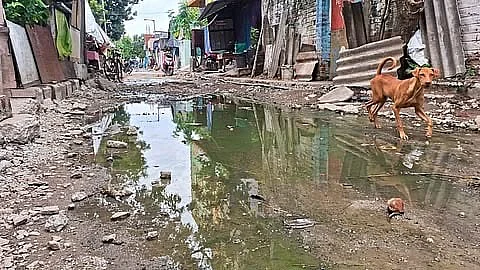


In a major push to strengthen urban infrastructure and safeguard public health, the Tamil Nadu government has set in motion an independent environmental and social audit of 28 key water supply and underground sewerage projects across 21 urban local bodies, while also commissioning an in-depth study into manual scavenging and hazardous sewer-cleaning practices.
The exercise is part of the Tamil Nadu Climate Resilient Urban Development Programme (TNCRUDP), a six-year World Bank-assisted initiative aimed at building climate-resilient cities, improving water security and modernising urban governance between 2024 and 2030.
The Tamil Nadu Urban Infrastructure Financial Services Ltd (TNUIFSL), the agency implementing the programme, has invited bids to appoint an independent consultant to assess whether local bodies and project agencies have adhered to the environmental and social safeguards laid down under the initiative during 2024-25.
The sweeping audit will cover a range of urban infrastructure projects, including underground sewerage schemes, sewage treatment plants and water supply improvement programmes. The review will examine projects in cities such as Salem, Thoothukudi, Karaikudi, Avadi, Tiruvannamalai, Pudukkottai, Namakkal, Cuddalore, Dindigul, Kancheepuram, Tiruchy, Vellore, Erode and Nagercoil, among others.
The consultant will classify findings into four broad categories — compliance, non-compliance, best practices and areas needing improvement. In cases where gaps are detected, follow-up inspections will be carried out after corrective action to ensure that shortcomings are addressed before the final report is submitted.
A significant part of the assignment focuses on the persistent challenge of manual scavenging and unsafe sewer maintenance. The dedicated study will assess the legal and policy framework governing sewer operations, identify implementation gaps among urban local bodies and examine circumstances that lead to hazardous sewer entry.
The study will also include field visits and consultations with government officials, contractors and sanitation workers to understand ground realities. Existing safety protocols, standard operating procedures, training programmes and protective measures across the sewage management system will be reviewed.
The three-month audit process will begin with a preliminary compliance report within two weeks, followed by a draft assessment for review by implementing agencies and the World Bank before the final report is prepared.
The initiative aligns with the World Bank's Programme-for-Results financing framework, which requires independent verification of commitments made under the Programme Action Plan following the Environmental and Social Systems Assessment.
Through the audit and safety review, Tamil Nadu aims to ensure that its rapidly expanding urban infrastructure not only meets development goals but also upholds environmental responsibility and worker safety.
With IANS inputs
Join our official telegram channel (@nationalherald) and stay updated with the latest headlines