


US indictment alleges Bishnoi ran crime syndicate from jail
US prosecutors claim jailed gangster used smuggled phones to direct murders, extortion, drug trafficking and human smuggling across multiple countries
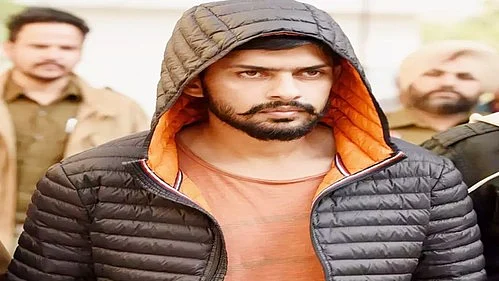


US federal prosecutors have alleged that jailed gangster Lawrence Bishnoi continued to run a vast international criminal syndicate from an Indian prison, directing murders, extortion, drug trafficking and human smuggling through contraband mobile phones and internet-based communication devices smuggled into his cell.
The allegations are contained in a federal racketeering indictment unsealed in the US on Tuesday as part of “Operation Hard Ball”, a multinational crackdown targeting three organised crime groups accused of operating across North America, Europe and other regions.
According to the indictment, Bishnoi built the organisation out of a student network he had developed in Punjab in the early 2010s before turning fully to criminal activity. Prosecutors alleged that after leaving campus politics behind, he transformed his associates and followers into a transnational criminal enterprise.
Although Bishnoi was arrested by Indian authorities in 2015, US prosecutors claim he continued to lead the organisation from prison using smuggled cellphones and voice over internet protocol devices. Through those channels, they allege, he directed political assassinations, murders, shootings, extortion rackets, kidnappings, narcotics trafficking, human smuggling and other crimes carried out by members of the syndicate across several countries.
The indictment alleges that the network expanded far beyond India and established a presence in the United States, Canada, the United Kingdom, Europe and Australia. Prosecutors said the organisation had thousands of members and associates worldwide, including hundreds based in the US and Canada.
US authorities also allege that Bishnoi carefully cultivated a public image as a patriot, nationalist and religious figure to recruit followers. According to prosecutors, he used social media and media appearances to attract new members in India and overseas.
Investigators claim the organisation recruited heavily from vulnerable and disadvantaged communities in Punjab, often targeting minors from poor backgrounds with promises of money, notoriety and protection. Some loyal recruits, the indictment alleges, were later sent abroad on student or foreign worker visas, at times using fraudulent information.
Prosecutors further claim the syndicate was deliberately structured in a decentralised manner so that lower-ranking members had limited knowledge of one another, making the network more difficult for law enforcement agencies to penetrate. Members were also allegedly threatened with violence against themselves or their families in India if they tried to leave the group or cooperate with investigators.
The indictment accuses Bishnoi of leading a criminal enterprise that used targeted killings and other acts of violence not only for profit but also to build the group’s reputation and intimidate victims in India and among Indian diaspora communities overseas. It further alleges that proceeds from the organisation’s criminal activities were distributed across the network and funnelled back to members in India.
With IANS inputs
Join our official telegram channel (@nationalherald) and stay updated with the latest headlines