


UP guv orders anti-conversion cells in colleges; Muslim leaders back initiative
Following governor's directive, medical and dental colleges have been asked to set up Religious Conversion Prevention Cells
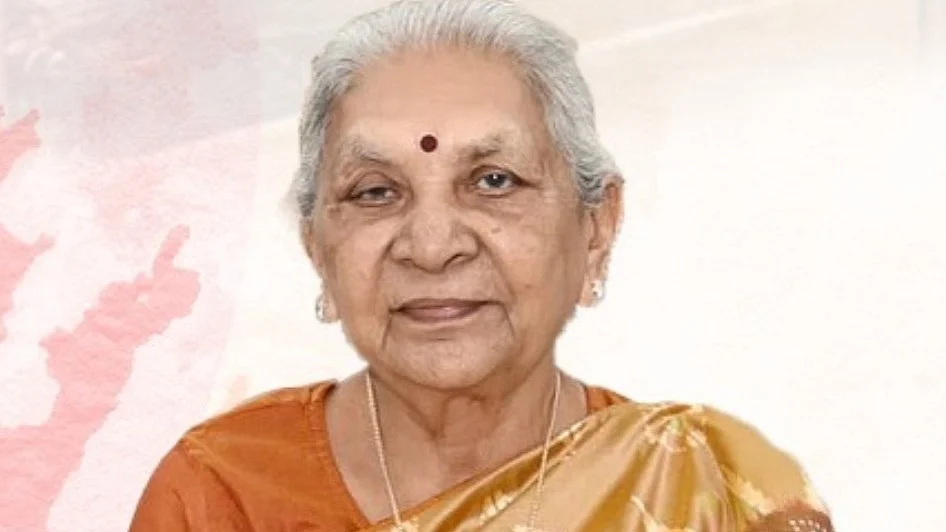


Uttar Pradesh governor Anandiben Patel has directed all medical and dental colleges in the state to establish Religious Conversion Prevention Cells (Dharmantaran Roktham Cells), following recent cases that sparked concerns over alleged coercive religious conversions on medical campuses.
Acting on the governor's directive, Atal Bihari Vajpayee Medical University has instructed all affiliated medical and dental institutions to immediately set up dedicated cells and submit compliance reports to university authorities.
According to the guidelines, the newly formed cells will be responsible for creating awareness among students, resident doctors, faculty members and staff about legal provisions related to religious conversion, individual rights and institutional responsibilities.
The cells will also monitor suspicious activities, examine complaints and ensure timely reporting and action wherever required. Institutions have additionally been asked to organise awareness campaigns and educational programmes on legal safeguards and citizens' rights.
The move comes in the wake of two high-profile incidents in Lucknow that triggered public concern.
One involves allegations against a former junior resident doctor at King George's Medical University (KGMU), Rameezuddin Nayak, who is accused of sexually exploiting and coercing female colleagues into religious conversion. The case is currently being investigated by the Uttar Pradesh Special Task Force (STF).
The second case concerns a 21-year-old woman, daughter of an employee at Sanjay Gandhi Postgraduate Institute of Medical Sciences (SGPGIMS), who has been missing since May 21. Her family has accused a man identified as Irshad Ali of stalking, blackmailing and abducting her, alleging that she may have been taken out of the country. The disappearance has triggered protests and demands for swift action.
The initiative has received support from several Muslim leaders, who stressed that Islam does not endorse forced conversions and called for impartial investigations into all allegations.
All India Shia Personal Law Board General Secretary Maulana Yasoob Abbas welcomed the move, saying there was nothing objectionable about establishing such monitoring mechanisms if cases of forced conversion were being reported.
"If someone's religion or faith is changed by force or coercion, then no religion supports it. Islam supports willingness, not forcefulness. Cases of forced religious conversion are coming to light, and action should be taken," Abbas said.
Shia cleric Sayed Saif Abbas echoed the sentiment, stating that Islam itself condemns forced religious conversions.
"If such a law or mechanism is introduced to prevent misconduct in educational institutions, committees can certainly be formed. However, they must function fairly and impartially," he said.
The directive marks a significant policy intervention by the state government, with authorities aiming to strengthen vigilance, awareness and institutional response mechanisms across medical campuses in Uttar Pradesh.
With IANS inputs
Join our official telegram channel (@nationalherald) and stay updated with the latest headlines