


War and peace
Ashok Swain on how Iran endured, Netanyahu lost and Trump surrendered to reality
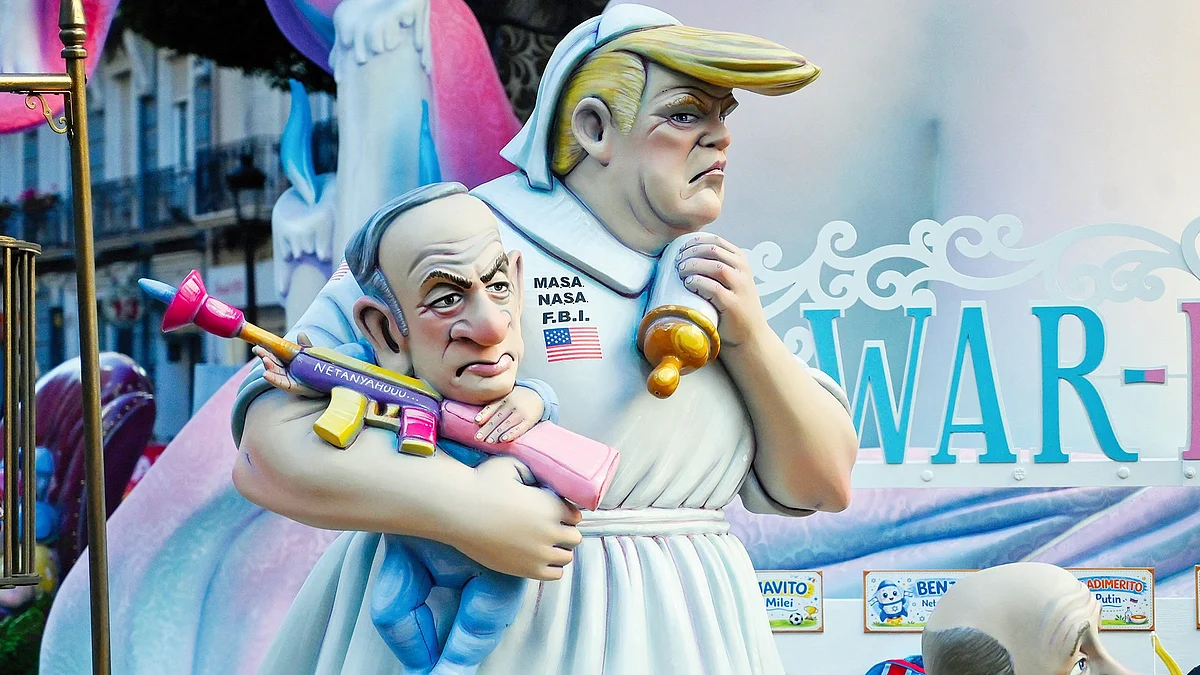


Donald Trump was desperate to end the Iran war, and for good reason too. The ‘memorandum of understanding’ signed by the US and Iran is being celebrated by the White House as a diplomatic triumph, but it looks far more like an escape route from a war that Trump didn’t know or expect would last this long and never imagined would produce these results.
The timing is revealing. On Trump’s eightieth birthday (Sunday, 14 June), Pakistan Prime Minister Shehbaz Sharif announced that Washington and Tehran had agreed on a framework to end the conflict. Trump quickly confirmed the development. Trump was not ending the war because he had achieved any of his stated objectives. He was ending it because continuing the war had become strategically costly and politically dangerous besides being almost impossible to justify to his support base at home.
When the war began, Trump believed victory would come quickly. Netanyahu and his allies reportedly convinced him that Iran’s political system was fragile and nearing collapse. The key assumption was that the elimination of Iran’s Supreme Leader would trigger a collapse of the Islamic Republic. The expectation in both Washington and Jerusalem was that military pressure would create panic in the Iranian elite, stoke popular unrest, and before long bring down ‘the regime’.
That calculation proved spectacularly wrong. More than a hundred days later, said regime remains firmly in place. Far from collapsing, it appears stronger than it was before the war, before the dramatic ‘decapitation’. The war produced the exact opposite of the outcome Trump and Netanyahu had anticipated. Many Iranians who had been critical of their government rallied behind it once the country came under foreign attack. Nationalism often succeeds where ideology fails. Faced with external aggression, internal divisions narrowed and resistance became a unifying force.
Also Read: Iran delivers a lesson in the art of war
The irony is hard to miss. The war has further entrenched the Islamic Republic it was supposed to dethrone and some of the strongest opposition to the agreement has come from hardliners in Iran who believe that continuing to resist the US, rather than negotiating with it, might yield bigger concessions.
Trump’s desperation to end the war was driven by two overriding concerns. The first was domestic politics. The war was extremely unpopular in the US. Trump’s supporters, in particular, voted for his ‘America First’ agenda — economic nationalism, border security and promises to avoid costly foreign entanglements. Instead, they have watched another ‘war of choice’ consume political attention and national resources.
The second reason for Trump’s desperation is Ukraine. He wants the Ukraine war to end. For no other reason as strongly as the desire to present himself as the superleader who made it happen. Yet the Iran war has hijacked that ambition. Instead of focusing diplomatic energy on Ukraine, the White House has spent months managing a growing crisis in West Asia.
Trump risks being remembered as another American president who fell into the same trap as his predecessors of fighting US supremacist wars, in the process hastening America’s decline as a superpower and failing spectacularly to come good on promises to ‘Make America Great Again’.
One of the most significant outcomes of the conflict is that Iran has rediscovered the extent of its strategic leverage. The closure of the Strait of Hormuz demonstrated just how much power Tehran can exercise over the global economy — shipping routes were disrupted, supply chains came under pressure, energy prices surged and fears of inflation spread across continents.
Iran has learned an important lesson from this war: geography is power. The ability to control this shipping choke point, the world’s most important energy corridor gives Tehran leverage far beyond its economic size or military capability. The war has shown Iranian leaders that they possess tools to impose costs not only on their regional adversaries but on the entire international system.
Iran has also learned that escalation can force negotiations. The leadership in Iran now knows that it successfully resisted extraordinary military pressure and forced the US to seek a diplomatic solution. This knowledge will shape how it negotiates future crises. If Israel launches another big attack on Iran or escalates military operations in Lebanon, Tehran is unlikely to show the restraint that characterised previous confrontations.
****
This reality raises the most important question surrounding the Geneva agreement: Will the agreement hold?
As per the MoU, Iran will gain immediate oil sales rights and access to a $300 billion reconstruction and economic development fund. Key disputes remain unresolved, including Israel’s role in Lebanon, the status of Iran’s enriched uranium stockpile, and the timeline for sanctions relief.
But more than these specifics, the real challenge is not whether the agreement will be signed but whether it will sustain. Iran will demand sanctions relief, access to frozen assets and guarantees regarding future military actions. The US will seek limits on Iran’s nuclear activities and assurances regarding regional stability. Both sides will look at each other with extreme mistrust, of the other acting in bad faith.
The greatest threat may come from a third party — Benjamin Netanyahu. For years, confrontation with Iran has been central to his political life. Few Israeli leaders have invested more political capital in portraying Iran as the defining threat to regional security. A negotiated settlement between the US and Iran undermines that narrative, besides highlighting Israel’s isolation from a diplomatic process that directly affects its security environment.
The reactions inside Israel reveal the depth of the problem. Opposition leaders have described the agreement as a diplomatic defeat. Even members of Netanyahu’s own far right coalition have indicated that Israel does not consider itself bound by the agreement. Israeli ministers have openly stated that military operations in Lebanon may continue regardless of what is signed in Geneva.
That should alarm anyone hoping for a durable peace. Lebanon represents the most dangerous fault line in the agreement. Iran has made clear that ending hostilities in Lebanon is inseparable from ending the broader conflict. Israel, meanwhile, insists that it will maintain military positions and preserve freedom of action against Hezbollah. These positions are fundamentally incompatible.
If Israel launches significant new military operations in Lebanon, Iran will come under enormous domestic pressure to respond. Hardliners who already oppose the agreement will argue that the US either cannot or will not restrain its closest ally. The credibility of the entire diplomatic framework could unravel within days.
Trump knows this risk. Having been forced into negotiations by circumstances he did not anticipate, he now has a strong incentive to prevent another escalation. A renewed conflict before the November election would be politically disastrous for him. It will underline growing perceptions of his strategic failure. For that reason, Trump is likely to do everything possible to prevent a return to war, at least in the short term. But whether he has the political will to restrain Netanyahu remains uncertain.
Ashok Swain is a professor of peace and conflict research at Uppsala University, Sweden. More by the author here
Join our official telegram channel (@nationalherald) and stay updated with the latest headlines