


Re-NEET security blitz may be missing the real problem
As authorities lock down exam centres and block Telegram, doubts remain about whether they are targeting the source of the scandal
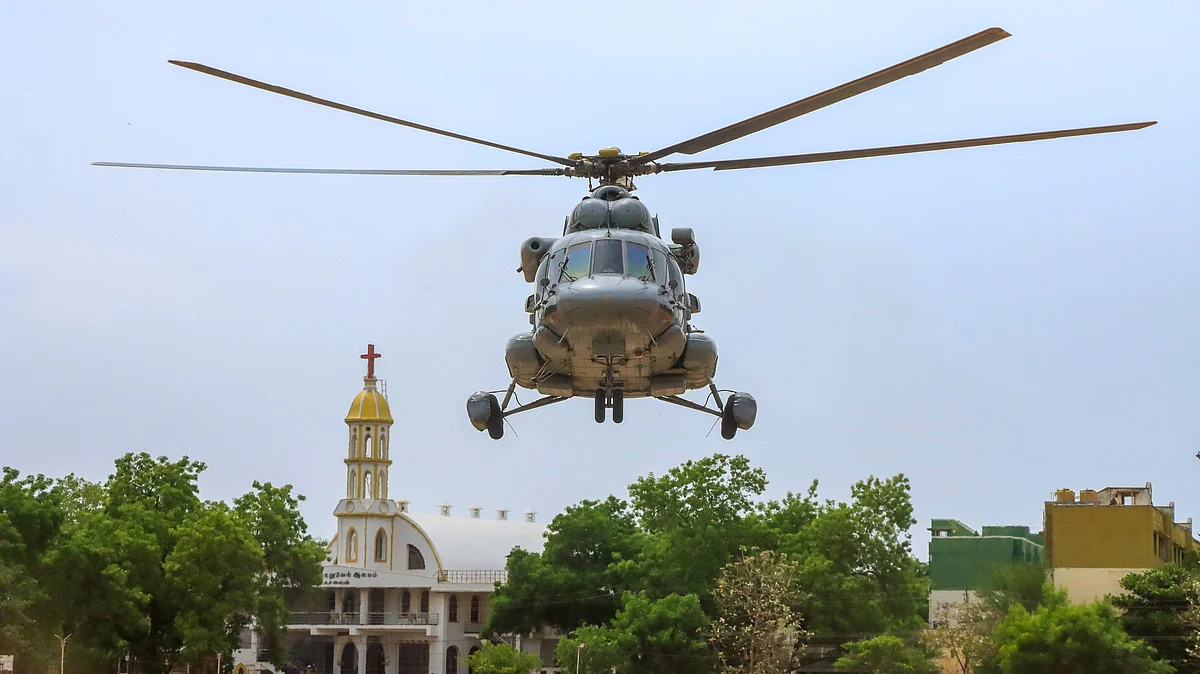


As more than 22 lakh aspiring medical professionals prepare to reappear for the NEET-UG re-examination on Sunday, 21 June, authorities have rolled out what is arguably the most extensive security operation ever seen for a public examination in India.
The National Testing Agency (NTA) has conducted nationwide mock drills, tightened security at its headquarters, deployed additional magistrates and police personnel, roped in the Indian Air Force to transport question papers and placed paper setters under strict isolation until the examination concludes. In cities such as Dehradun, prohibitory orders have been imposed around examination centres, banning public gatherings, demonstrations and loudspeakers.
Indeed, Prime Minister Narendra Modi has assured the nation that he himself will be monitoring the exam this time.
The measures are intended to restore confidence after the cancellation of the original 3 May examination over allegations of a question paper leak. Yet they also raise an uncomfortable question: are authorities fixing the right problem?
The NEET controversy is not an isolated episode. In the last decade, India's examination system has repeatedly been rocked by paper leak scandals involving recruitment tests, entrance examinations and public service exams. Each controversy has been followed by promises of tighter security. Yet the leaks keep recurring.
What stands out about the latest response is that many of the most visible measures focus on students and examination centres rather than the ecosystem that creates and handles the question papers.
To cite just one example, a student in Nagpur has been issued an admit card mentioning Abu Dhabi as his exam centre, with his father claiming his son has gone into shock as a result.
The government's temporary suspension of Telegram is another case in point. The Centre argued that the platform was being used by cheating rackets and paper leak operators ahead of the re-examination, and the Delhi High Court upheld the ban until 22 June.
Telegram founder Pavel Durov was sharply critical of the decision. "The leaks just moved to other apps," Durov said, arguing that the ban had "punished" more than 150 million Indian Telegram users while doing little to stop those responsible for the leaks.
His criticism is self-interested, but it points to a larger question. Telegram is a platform, not the source of a leak. If confidential papers are compromised before reaching candidates, they can be circulated through WhatsApp, Signal, email, cloud storage services or any number of digital channels.
For many students, Telegram also functions less as a messaging app than as a vast repository of notes, mock tests and study material. Blocking it may inconvenience aspirants, but it is less clear how it prevents a paper from being leaked in the first place.
The most revealing reform may actually be one that has received less attention: the decision to isolate question paper setters, moderators and translators until the examination is over. According to reports, experts involved in preparing the paper have been kept under round-the-clock watch without access to phones or the internet.
That move appears to acknowledge what critics have argued since the scandal broke — that the greatest vulnerability may lie within the examination ecosystem itself.
If that is the case, some of the other measures invite scrutiny. How does banning political sloganeering outside an examination centre prevent a digital leak? How do restrictions on public gatherings address a breach that may have occurred weeks before candidates enter an examination hall?
The contradiction is difficult to ignore. A student carrying a placard outside an examination centre cannot leak a paper sitting in a secure server or a paper-setting room.
The debate has become more urgent because of the enormous human cost of the controversy. Reuters reported widespread anxiety among candidates preparing for the re-test, with some students seeking psychiatric support after being forced to restart months of preparation.
The pressure has been compounded by reports of alleged student suicides (at least 12 in 37 days) following the cancellation of the original examination, further intensifying scrutiny of the government's handling of the crisis.
To be fair, the Centre argues that extraordinary circumstances require extraordinary safeguards. Under-fire education minister Dharmendra Pradhan has repeatedly assured students that the re-examination will be "fair and transparent" and has promised an "error-free" process.
Few would dispute the need for stronger security after a leak that undermined one of India's most important entrance examinations. But after years of recurring paper leak scandals, students may be less interested in how many police officers stand outside an examination hall than in whether the next leak can be prevented before a question paper ever leaves the hands of those entrusted with creating it.
With PTI inputs
Join our official telegram channel (@nationalherald) and stay updated with the latest headlines