


Why ISRO's reported scientist exodus is about more than just numbers
Department of Space tightens exit rules as India's burgeoning private space industry emerges as new competitor for talent
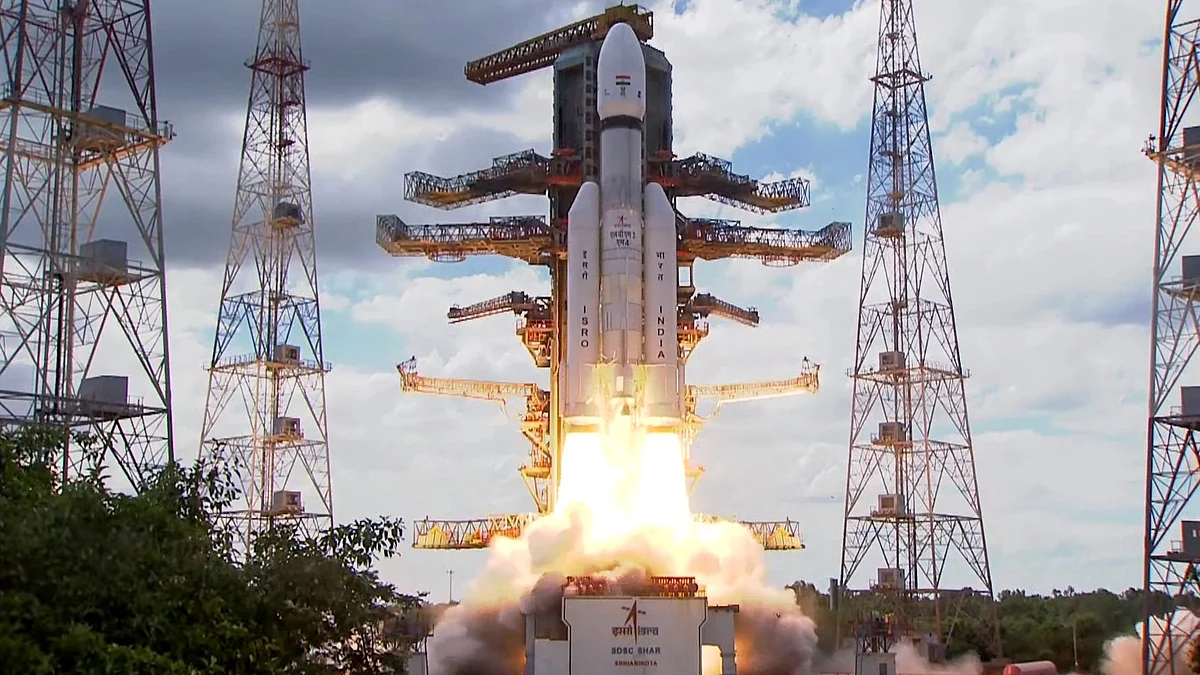


A reported exodus of nearly 100 scientists from the Indian Space Research Organisation (ISRO) over the past few months, first reported by the Times of India, has prompted the Department of Space (DoS) to tighten rules governing resignations from critical national missions, signalling what could be a new challenge for India's premier space agency.
According to the ToI report, the DoS has withdrawn powers delegated to heads of ISRO centres in 2020 to accept resignations and voluntary retirement requests from scientific and technical personnel. Instead, such requests will now require approval at the department level, particularly for those associated with key programmes such as Gaganyaan.
The move comes amid reports that nearly 100 scientists have left ISRO in recent months. While that accounts for less than one per cent of the organisation's workforce of around 14,000 employees, the concern appears to lie less in the numbers than in the specialised expertise involved.
ISRO chairman V. Narayanan has sought to allay concerns, saying attrition is not unprecedented and that ongoing missions would not be affected. Even so, the DoS's decision to centralise approvals suggests the government considers the trend significant enough to warrant intervention.
The DoS's response has so far been administrative rather than incentive-based. While the revised rules make it more difficult for scientists working on critical missions to leave, they do not address broader questions about whether government pay structures, career progression and workplace flexibility remain competitive as India's private space sector expands. The move could also have implications for recruitment, with stricter exit rules potentially making government service less attractive to young engineers weighing careers in a rapidly growing commercial space industry.
For decades, ISRO occupied a unique position in India's space ecosystem. Scientists typically spent much of their careers at the organisation, which offered unmatched opportunities to work on national missions despite government pay scales that often lagged behind those in the private sector. Until recently, there were few domestic alternatives for engineers specialising in launch vehicles, satellite systems or propulsion technologies.
That landscape has changed markedly since the Centre opened the space sector to private participation in 2020. Backed by regulatory reforms and the creation of the Indian National Space Promotion and Authorisation Centre (IN-SPACe), India's commercial space industry has expanded rapidly, with around 400 startups now operating across launch services, satellite manufacturing, propulsion systems, earth observation, space situational awareness and downstream applications.
The shift mirrors developments in more mature space economies such as the United States, where engineers routinely move between NASA and private companies including SpaceX, Blue Origin and Rocket Lab. While India's commercial space ecosystem remains considerably smaller and continues to depend on ISRO's launch infrastructure and technical expertise, greater mobility of skilled personnel is increasingly becoming a feature of a maturing industry rather than one driven almost exclusively by the government.
Several of India's leading space startups — including Skyroot Aerospace, Agnikul Cosmos, Pixxel, Bellatrix Aerospace and Digantara — have been founded or staffed by former ISRO scientists and engineers. Skyroot became the first Indian private company to launch a rocket in 2022 and is preparing for the maiden orbital flight of its Vikram-1 launch vehicle. Agnikul has developed an indigenous single-piece 3D-printed rocket engine and its own small satellite launch vehicle, while Pixxel has deployed hyperspectral imaging satellites for commercial earth observation.
The emergence of such companies has created career opportunities that scarcely existed a few years ago. Besides higher salaries, many private firms offer stock ownership, faster career progression and the opportunity to work in smaller, innovation-driven teams.
At the same time, ISRO is entering one of the most ambitious phases in its history. Alongside the Gaganyaan human spaceflight programme, the agency is pursuing Chandrayaan-4, plans for the Bharatiya Antariksh Station, reusable launch vehicle technologies and next-generation launch systems. Many of these programmes depend on highly specialised engineers whose expertise has been built over years of work on complex missions.
That is why the reported departures have drawn attention despite their relatively small number. Unlike many organisations, ISRO's work relies heavily on accumulated institutional knowledge in areas such as propulsion, avionics, mission safety and systems integration — expertise that can take years to develop and is not easily replaced.
The trend, however, is better understood as a redistribution of talent within India's space ecosystem than a conventional "brain drain". India's private space sector, while expanding rapidly, continues to rely on ISRO's launch infrastructure, testing facilities and decades of technical expertise. Rather than replacing the national space agency, private firms are increasingly complementing it while competing for the same pool of experienced talent.
In that sense, the reported resignations may reflect a broader transition within India's space ecosystem. The reforms that were intended to foster a vibrant commercial space industry have also created, perhaps for the first time, a domestic market for experienced space scientists and engineers. The DoS's latest decision suggests that retaining such expertise is becoming an increasingly important challenge as India's public and private space ambitions grow in parallel.
Join our official telegram channel (@nationalherald) and stay updated with the latest headlines