


Bengal 1st phase polls: Seven districts under ECI’s special security scanner
TMC questions heavy central force deployment, alleges voter intimidation risk
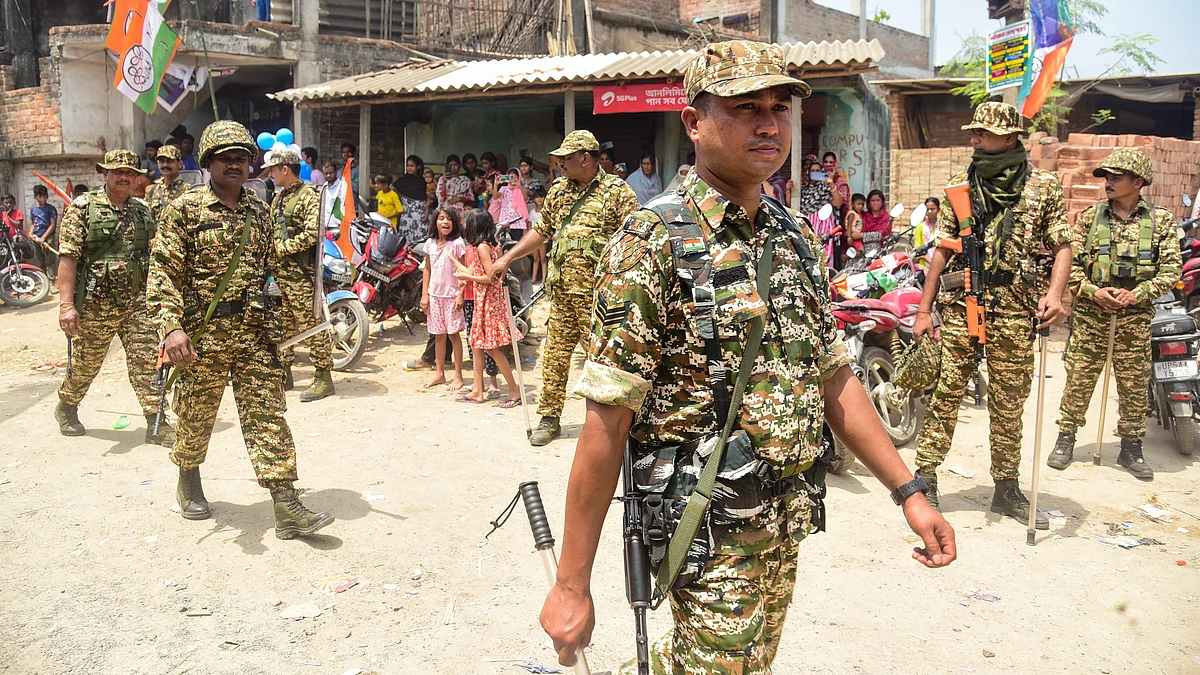


As West Bengal prepares for the first phase of its two-phase Assembly elections on 23 April, covering 152 constituencies across 16 districts, the Election Commission of India (ECI) has placed seven districts under heightened security watch citing past records of poll-related violence.
The districts under scrutiny include Malda, Murshidabad, North Dinajpur, Cooch Behar, Birbhum, West Midnapore and West Burdwan. Officials in the office of the chief electoral officer (CEO), West Bengal, said the selection was based on an assessment of booth sensitivity and incidents of electoral violence over the past 15 years. These areas will see the maximum deployment of central forces and Quick Response Teams (QRTs), with a majority of booths categorised as “critical” or “hypersensitive”.
To ensure a peaceful poll, the ECI has deployed 2,193 QRTs across all Phase I constituencies. Murshidabad, which has a history of electoral violence, will have the highest deployment with 219 QRTs. Each team will comprise Central Armed Police Forces (CAPF) personnel, led by a Sub-Inspector-rank officer for route guidance.
Polling stations will also see enhanced checks, including a two-stage voter verification process — first by CAPF personnel and then by the booth-level officer (BLO) before entry into the voting area.
The commission has further issued a stern warning to police officials, including inspectors, sub-divisional police officers and superintendents of police, cautioning that any dereliction of duty will invite strict departmental action affecting their Annual Confidential Reports (ACR) and post-retirement benefits.
Opposition parties, however, have reacted sharply to the heightened security measures. The BJP and the Congress have welcomed the increased deployment of central forces, arguing that it is necessary to ensure free and fair elections in areas with a history of violence. At the same time, they alleged that local police cannot be relied upon to remain neutral.
The ruling Trinamool Congress (TMC), on the other hand, questioned the scale of central force deployment, alleging that it creates an atmosphere of intimidation and could influence voter turnout. The party maintained that the state administration is fully capable of conducting peaceful polls and accused the Opposition of attempting to “politicise” security arrangements.
With tensions high and political stakes rising, all eyes are now on how effectively the ECI’s security blueprint translates into a violence-free first phase of polling.
With IANS inputs
Join our official telegram channel (@nationalherald) and stay updated with the latest headlines