


Bengal: Bangla Pokkho founder Garga Chatterjee gets bail
Kolkata court grants conditional relief after 10 days in custody; supporters call arrest politically motivated
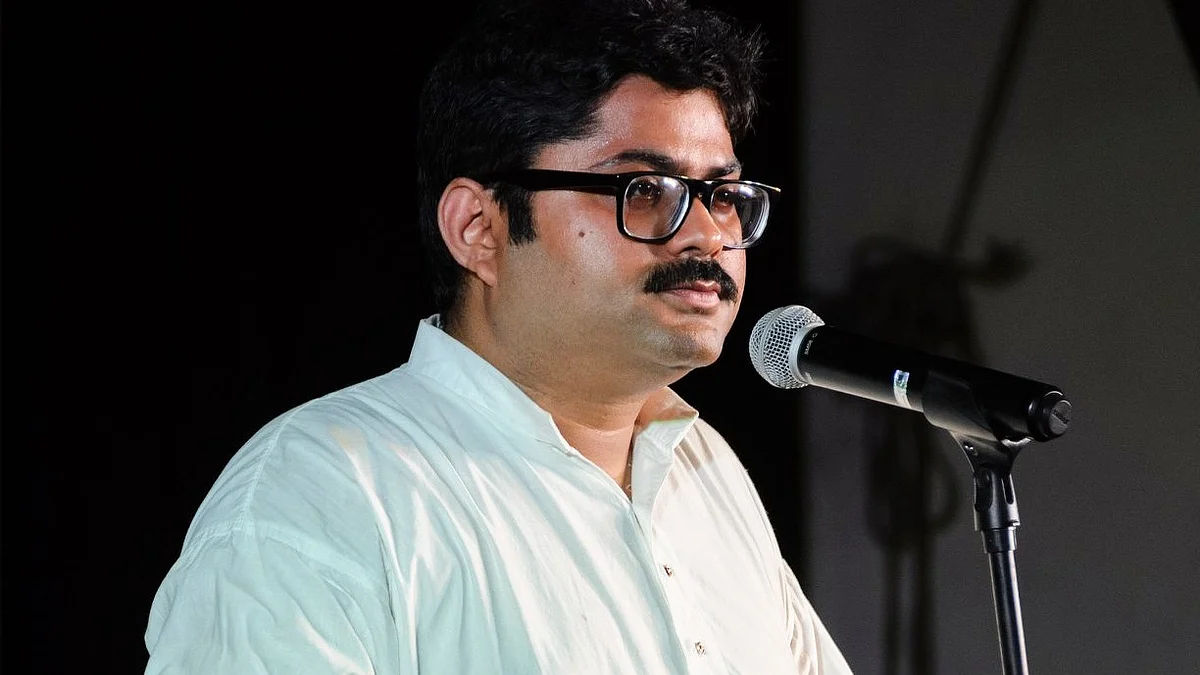


Garga Chatterjee, founder of the pro-Bengali organisation Bangla Pokkho, has been granted bail by a Kolkata court after spending 10 days in judicial custody over allegations linked to his social media posts about electronic voting machines (EVMs) during the recent West Bengal Assembly elections.
On Friday, the chief judicial magistrate at Kolkata's Bankshall Court granted Chatterjee conditional bail on furnishing a bond of Rs 2,000. The court also directed him to appear before the investigating officer once a week and fully cooperate with the ongoing investigation. With this order, Chatterjee has secured bail in all the cases filed against him and is expected to be released from jail shortly.
Chatterjee was arrested on 12 May by the cyber crime division of Kolkata Police after complaints were lodged over several social media posts made during the election period.
The complaints were initially filed by Smita Pandey, district election officer for north Kolkata, and were later taken up by the cyber crime division, which also registered a separate suo motu case. Police alleged that Chatterjee spread misinformation and made provocative claims regarding EVMs and the election process.
According to investigators, Chatterjee repeatedly questioned how EVMs could allegedly malfunction during vote counting despite being sealed and secured overnight. He also urged voters to carefully verify VVPAT slips before leaving polling booths after casting their votes.
In social media posts, Chatterjee further accused the Election Commission of carrying out what he described as a “secret plan” during the counting process. Police alleged that these remarks created confusion and mistrust among voters and political parties during a sensitive election period.
Also Read: The importance of being Garga Chatterjee
Kolkata Police commissioner Ajay Nand said Chatterjee’s online posts had “created confusion” and triggered reactions during the election atmosphere. “He had posted allegations regarding EVM manipulation and called upon political groups to protest. This created different perceptions among political parties and confusion in society,” Nand said.
Police said two summonses were issued asking Chatterjee to appear for questioning. When he failed to do so, he was arrested from Kolkata’s Deshapriya Park area. His initial bail plea was rejected after he was produced before the court, and he remained in judicial custody for several days. On Friday, however, the magistrate granted him conditional bail in the main cybercrime case.
Members and supporters of Bangla Pokkho welcomed the order and described the arrest as politically motivated. Kausik Maiti, a member of the organisation, said Chatterjee had now obtained bail in all cases filed against him. “He is likely to walk out of jail very soon,” Maiti said after the court order.
Supporters gathered outside the court and on social media to celebrate the development, describing it as a victory for freedom of expression and democratic rights.
Chatterjee is among the most recognisable figures associated with Bengali linguistic and cultural politics in contemporary West Bengal. Through Bangla Pokkho, he has built a movement centred on Bengali identity, language rights and regional pride.
Founded in 2018, Bangla Pokkho campaigns for stronger protection of Bengali language and culture in West Bengal. The organisation has often accused both national parties and sections of the administration of neglecting Bengali interests.
The group gained visibility through campaigns seeking preference for Bengali-speaking people in state government jobs, compulsory use of Bengali on signboards, and stronger safeguards for local culture and heritage.
Bangla Pokkho has also organised protests against what it describes as attempts to impose Hindi and weaken Bengal’s linguistic identity. The organisation became particularly vocal during debates over the National Register of Citizens (NRC), the Citizenship (Amendment) Act (CAA), and Union government recruitment policies.
Although Bangla Pokkho presents itself as an independent Bengali nationalist platform, critics have frequently accused the group of indirectly supporting the Trinamool Congress by strongly opposing the BJP and its politics in Bengal.
During the recent Assembly elections, Chatterjee remained active online and repeatedly criticised the Election Commission and the conduct of the voting process.
His arrest therefore quickly acquired political significance. Supporters portrayed it as an attempt to silence a prominent Bengali voice, while critics argued that misinformation related to elections could seriously undermine public trust in democratic institutions.
Join our official telegram channel (@nationalherald) and stay updated with the latest headlines