


Bengal elections: Electoral officers to be under ECI surveillance on polling days
At the state level, a Kolkata control room will monitor district officials’ response to poll-related complaints
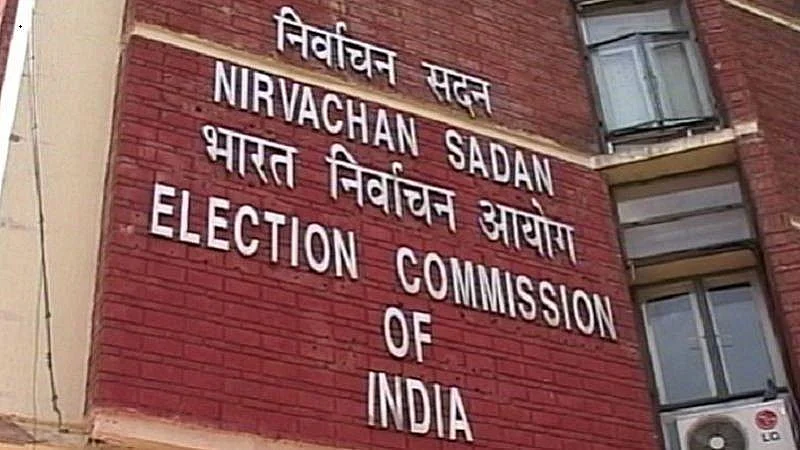


The Election Commission of India (ECI) has put in place an extensive, multi-layered surveillance mechanism to monitor electoral officials during the upcoming West Bengal assembly elections 2026, aiming to ensure free, fair and violence-free polling.
According to sources in the office of the chief electoral officer (CEO), West Bengal, the functioning of electoral officers — from booth-level staff to district authorities — will be kept under constant watch during the two polling phases on 23 April and 29 April. The move follows assurances by chief election commissioner Gyanesh Kumar that the elections will be conducted peacefully.
The surveillance system will operate through a two-tier control room structure. At the district level, control rooms set up in the offices of district magistrates — who also serve as district electoral officers (DEOs) — will monitor booth and polling station activities in real time, ensuring that returning and polling officers adhere strictly to ECI guidelines.
At the state level, an integrated control room in Kolkata at the CEO’s office will oversee the responsiveness of district officials, particularly in handling complaints from voters and political parties regarding poll-related irregularities.
In parallel, a robust observer network will function on polling days. Each of the state’s 294 assembly constituencies will have dedicated observers supervising on-ground polling processes, while central observers appointed for each district will maintain overarching vigilance from district control rooms. The highest level of monitoring will rest with ECI-appointed central observers and their teams.
In a significant shift, the ECI has also restructured the command over security deployment. For the first time, district administrations have been stripped of their authority to decide the movement of Central Armed Police Forces (CAPF) during the enforcement of the Model Code of Conduct. Instead, ECI-appointed police observers will take final calls on CAPF deployment, based on real-time assessments of sensitive areas.
District-level composite teams will assist in evaluating security requirements, but operational control will lie firmly with central observers — marking a departure from past elections where district magistrates held this responsibility.
Polling will be held in two phases, with 152 constituencies voting on 23 April and 142 on 29 April. The ECI is expected to deploy no fewer than 2,300 companies of CAPF in each phase, underlining the scale of security arrangements for the high-stakes election.
With IANS inputs
Join our official telegram channel (@nationalherald) and stay updated with the latest headlines