


Bengal SIR: ECI seeks Oriya interpreters for 4 gram panchayats in West Midnapore
The move covers two gram panchayats each in Dantan and Mohanpur, where many voters trace their roots to Odisha
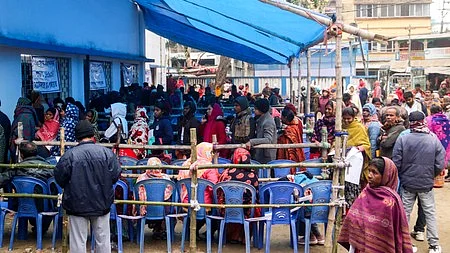


The quiet border villages of West Midnapore have brought an unexpected linguistic challenge to India’s electoral machinery. Confronted with a predominantly Oriya-speaking electorate in four gram panchayats straddling the West Bengal–Odisha border, the Election Commission of India (ECI) has stepped in to appoint Oriya interpreters-cum-translators to facilitate hearings on claims and objections to the draft voters’ list.
The move applies to two gram panchayats each under the Dantan and Mohanpur community development blocks, where a significant section of voters trace their ancestral roots to Odisha. Many families have lived in these villages for generations, sustained largely by agriculture and animal husbandry, and continue to speak Oriya as their primary language.
Officials say the language barrier became impossible to ignore when even duly filled enumeration forms were submitted in Oriya script. “This made it essential to engage interpreters during the hearing sessions,” a senior official from the chief electoral officer’s office explained.
The challenge, the official noted, runs deeper than conversation. New brides joining these families often speak only Oriya, while most electoral officials in the area are Bengali-speaking. As a result, communication between voters and electoral registration officers, assistant EROs, and booth-level officers had become increasingly strained without linguistic support.
While Oriya-speaking voters are scattered across pockets of East and West Midnapore, officials said their concentration is particularly dense in these four gram panchayats. Translating Oriya scripts in enumeration forms has proven especially time-consuming, significantly extending the duration of hearings compared to those involving other voters.
The draft voters’ list was published on 16 December, with the final list scheduled for release on 14 February. Poll dates for the high-stakes West Bengal assembly elections are expected to be announced shortly thereafter, as election authorities work to ensure that language does not stand in the way of democratic participation.
With IANS inputs
Join our official telegram channel (@nationalherald) and stay updated with the latest headlines