


Bengal SIR: ECI to set up 160 special hearing centres for marginalised groups
Electoral officers will travel to remote areas to hold hearings, sparing residents long and difficult journeys
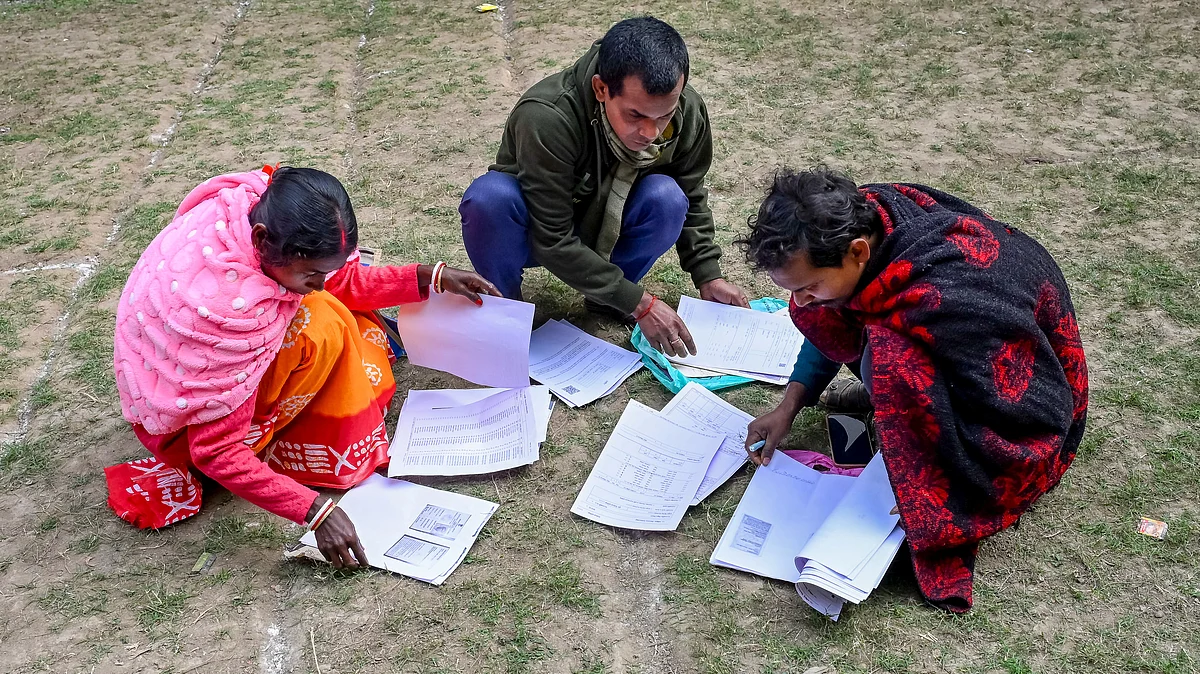


In a move aimed at deepening electoral inclusion, the Election Commission of India (ECI) has decided to set up 160 special decentralised hearing centres across select districts of West Bengal, ensuring that marginalised communities living in remote and hard-to-reach areas are not left out of the democratic process.
The temporary centres will be spread across 12 districts — Darjeeling, Kalimpong, Alipurduar, Jalpaiguri, Jhargram, Purulia, West Midnapore, Bankura, Nadia, West Burdwan, Howrah and North 24-Parganas — officials in the office of the chief electoral officer (CEO), West Bengal, said. Depending on local requirements, a few such centres may also come up in the coastal stretches of South 24-Parganas.
Sources said the initiative follows detailed recommendations from district magistrates, who also serve as district electoral officers, routed through the CEO’s office. “After examining the ground realities and the legitimacy of the demand, the commission has given its final approval,” an official said.
Since the launch of the Special Intensive Revision (SIR) of electoral rolls in the state, the ECI, officials noted, has remained acutely sensitive to the risk of marginalised citizens being denied their voting rights due to procedural hurdles. The decision to set up decentralised hearing centres is being seen as the latest in a series of special relaxations introduced to safeguard inclusivity.
These centres will function as temporary hearing camps in remote pockets, operating for a day or a few days as required. Electoral officers will personally travel to these locations to conduct hearings, allowing residents to raise claims and objections without having to undertake long or difficult journeys.
The move builds on a string of inclusion-focused decisions taken by the Commission in recent weeks. Last week, the ECI announced that members of three “aboriginal” or “primitive” tribes — Birhor, Toto and Sabar — would be automatically included in the final voters’ list in West Bengal, without being asked to furnish any supporting documents.
Earlier, the commission had also extended special relaxations to sex workers, transgender persons, members of other marginalised communities and declared monks, easing identity-proof requirements during the ongoing hearings on the draft electoral rolls. In these cases, the ECI decided against insisting on strict documentary verification, recognising the unique vulnerabilities and circumstances faced by these groups.
Together, these measures underline the commission’s stated resolve to ensure that no eligible voter is disenfranchised by technicalities, reaffirming the principle that the right to vote must reach even the most remote corners and marginalised voices of the state.
With IANS inputs
Join our official telegram channel (@nationalherald) and stay updated with the latest headlines