


Bengal tribunals clear just 136 — mostly poll staff — as lakhs remain off voter rolls
Midnight list update before first phase fuels concerns over access, transparency and due process
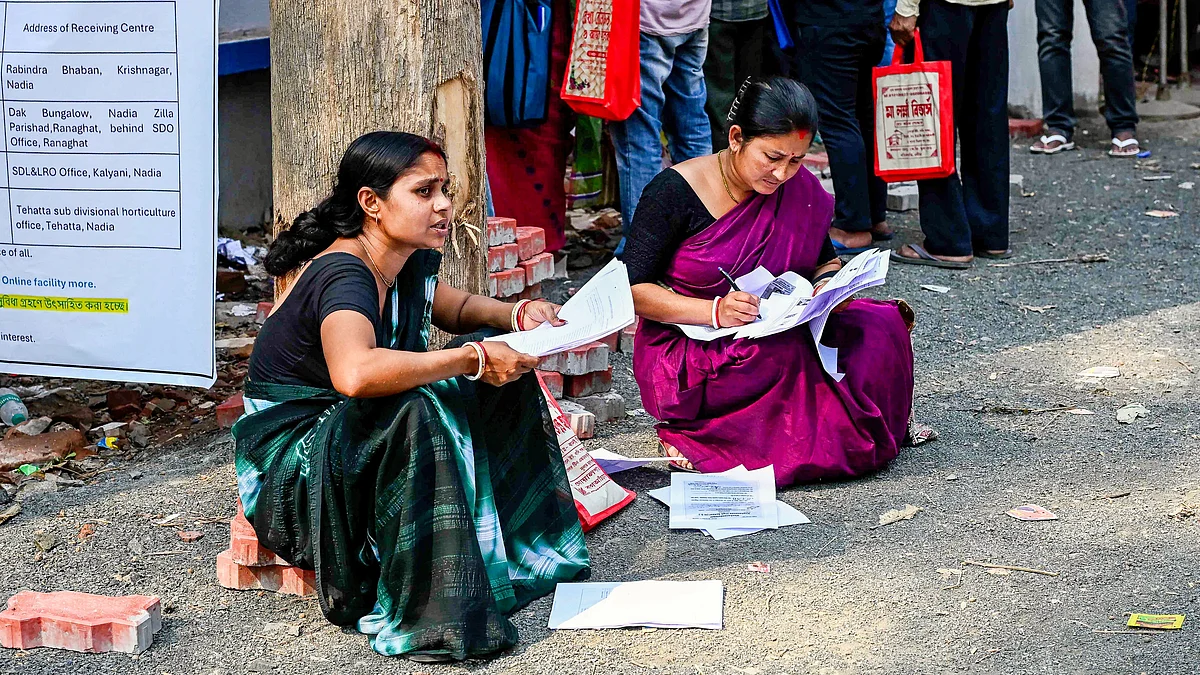


With just a day to go before polling begins across 152 constituencies in the first phase of the West Bengal Assembly elections, a deepening controversy over the electoral rolls has thrown up a stark and uncomfortable contrast: while lakhs of voters remain excluded, only 136 names have been restored following appellate tribunal scrutiny.
The supplementary list, released by the Election Commission of India in the early hours of Wednesday in compliance with a Supreme Court directive, shows that just 136 individuals cleared by tribunals will be eligible to vote on 23 April. Two names were deleted. Against the backdrop of claims that as many as 27 lakh voters have been left out, the number has triggered outrage and sharpened concerns over disenfranchisement.
The disparity is difficult to ignore. After months of scrutiny, legal recourse and assurances of due process, the restoration of just over a hundred names — many of them not ordinary voters — raises questions about whether the system has functioned in any meaningful sense for those excluded.
An official linked to the tribunals indicated that nearly 95 per cent of those cleared are government staff and booth-level officers assigned election duty. Many among them had found themselves in an administrative bind: their names struck off the rolls, yet required to conduct polling. Their cases, the official said, were prioritised to ensure the smooth conduct of elections.
That explanation, while pragmatic, underscores the core criticism — that the process appears to have favoured institutional necessity over the rights of ordinary voters. For the vast majority who approached tribunals, there is still no resolution, even as polling begins.
The controversy traces back to 28 February, when the Commission published the final electoral rolls with around 60 lakh names flagged for scrutiny. Voters whose names were excluded approached appellate tribunals, which had indicated that no deletions would occur without hearing those affected. Yet the newly released list includes two deletions and offers little clarity on how many cases were processed overall, beyond the 136 approvals.
Invoking its powers under Article 142, the Supreme Court had ruled that those cleared by tribunals by 21 April could vote in the first phase, while those cleared by 27 April would be eligible for the second phase on 29 April. The Commission subsequently issued separate 'addition' and 'deletion' lists, accessible online through EPIC numbers or booth details. Booths with no changes were marked accordingly.
But the timing — close to midnight on the eve of polling — has only deepened unease. Critics say the opaque release mirrors earlier instances of last-minute updates, making meaningful verification difficult for affected voters.
The political response has been sharp. The state's ruling Trinamool Congress leaders have termed the exercise an effective denial of voting rights on a mass scale. The party's state vice-president Jayprakash Majumdar said resolving just 136 cases in weeks was “like sprinkling drops on a hot pan”, and questioned what fault lay with the lakhs still excluded.
The BJP, however, has defended the process. Rajya Sabha MP Rahul Sinha said names were removed due to lack of documentation and that only those who could substantiate their claims were being reinstated. He argued that tribunals were examining cases thoroughly rather than allowing indiscriminate inclusion.
The dispute has already reached Calcutta High Court, where multiple petitions challenge what has been described as a “mass cancellation” of voter names. Advocate Jhuma Sen has sought urgent intervention, questioning what happens to those left out just hours before polling. Another petitioner, Sheikh Anwar Ali, has alleged that the tribunal process itself lacks transparency, citing the absence of clear procedures for appeals, notices or legal representation.
Legal observers suggest the court may seek explanations on how the lists were prepared and whether due process was followed. Authorities are likely to argue that the revision complies with existing rules. Yet the scale of exclusion — and the minuscule number of restorations — keeps the issue alive.
At its heart, the controversy is not merely administrative but democratic. When such a large number of citizens are left uncertain about their right to vote until the eve of polling — and most still without recourse — the integrity of the process itself comes under strain.
As polling begins, only those 136 cleared by 21 April can be certain of their participation. For the rest, the promise of redress remains distant, and the question lingers: how many voices have been left unheard before the first vote is even cast?
Join our official telegram channel (@nationalherald) and stay updated with the latest headlines