


Biggest blow to workers’ rights since Independence: INC on new labour codes
Mallikarjun Kharge alleged government waited until assembly polls ended to notify labour codes on 8 and 9 May
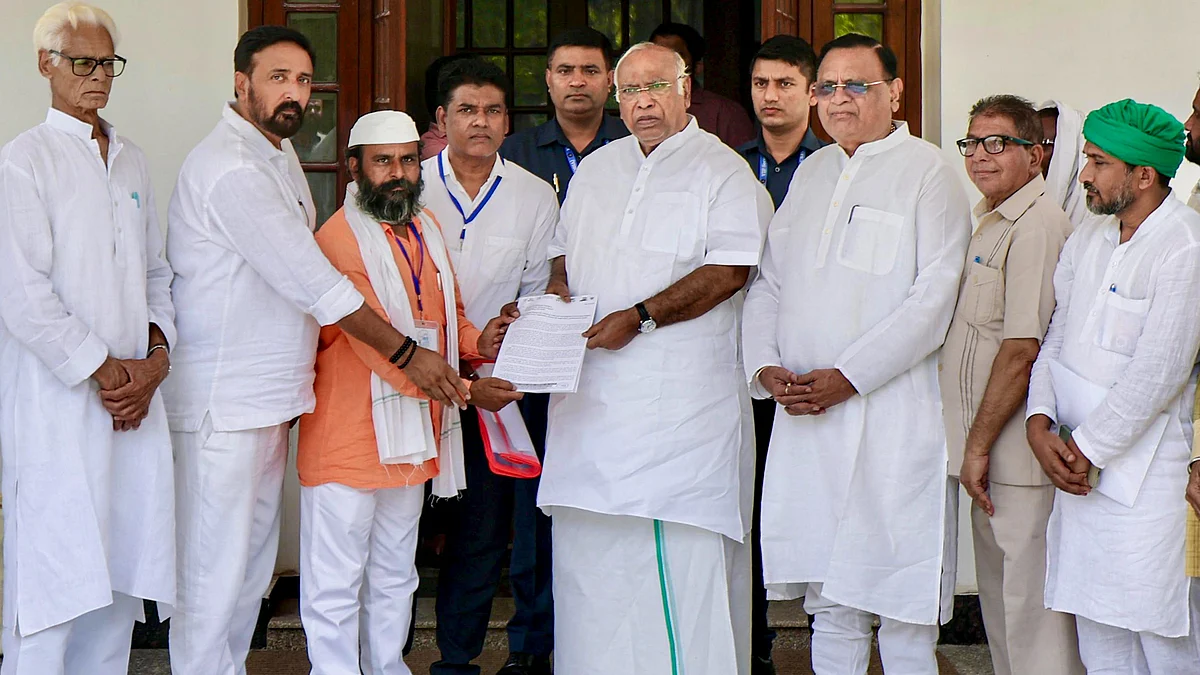


The Indian National Congress (INC) on Monday launched a scathing attack on the Centre after the government fully operationalised the four labour codes by notifying the final rules, accusing the Narendra Modi-led administration of pushing through “anti-worker” reforms that weaken labour rights and favour big corporations.
Congress president Mallikarjun Kharge alleged that the government deliberately waited until the conclusion of Assembly elections to notify the labour codes through gazette notifications issued on 8 and 9 May.
“The Modi government, in its typical cowardly fashion, waited for the assembly elections to conclude before notifying the four anti-worker labour codes,” Kharge said in a statement.
Describing the reforms as a major setback for India’s workforce, Kharge claimed the codes would institutionalise insecure employment practices.
“For crores of India’s workers, these codes promise a future of hire-and-fire policies, contract employment, and limited space for unionisation,” he said.
The Congress chief also accused the government of bypassing consultations with labour organisations and trade unions while framing the new laws.
“It is important to note that the Modi government drafted and implemented these anti-worker codes without any consultation. It has not even convened the Indian Labour Conference since 2015,” he alleged.
“These codes, which benefit only the prime minister’s industrialist friends, are the greatest setback for workers’ rights since Independence,” Kharge added.
Reiterating the Congress party’s labour agenda, Kharge said the party remained committed to its “Shramik Nyay” vision aimed at strengthening social security and worker welfare.
He outlined the party’s five-point agenda, including expansion of Mahatma Gandhi National Rural Employment Guarantee Act to urban areas, a national minimum wage of Rs 400 per day, universal healthcare coverage of up to Rs 25 lakh, comprehensive social security for unorganised workers, and a rollback of what he termed the dilution of labour protections under the Modi government.
The Centre, however, has defended the labour reforms as a long-awaited overhaul intended to simplify India’s complex labour regime and improve ease of doing business while extending protections to workers in both organised and unorganised sectors.
An official said the final rules under all four labour codes have now been formally notified in the government gazette, completing the process of implementation.
The four codes — the Code on Wages, 2019; the Industrial Relations Code, 2020; the Code on Social Security, 2020; and the Occupational Safety, Health and Working Conditions Code, 2020 — officially came into effect on 21 November 2025.
The labour codes consolidate 29 existing labour laws into four broad legislations aimed at modernising labour regulations, ensuring minimum wages, expanding social security coverage and streamlining compliance mechanisms.
However, labour unions and opposition parties have consistently opposed the reforms, arguing that they dilute protections against arbitrary retrenchment, weaken collective bargaining rights and encourage contractual employment.
With PTI inputs
Join our official telegram channel (@nationalherald) and stay updated with the latest headlines