


CAG report on PMKVY puts scheme under Congress fire
Audit points to phantom trainees, recycled emails and phantom job placements
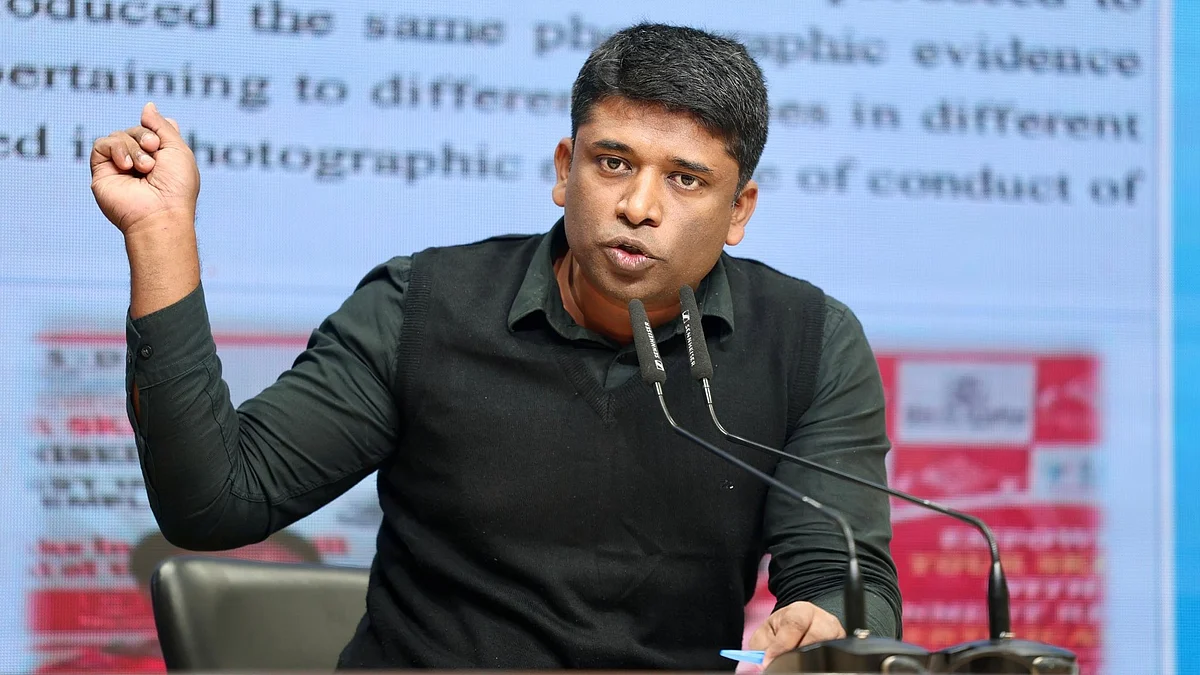


The Congress party has escalated its criticism of the Pradhan Mantri Kaushal Vikas Yojana (PMKVY), describing it as deeply flawed and pointing to significant discrepancies in the Comptroller and Auditor General of India (CAG) performance audit covering 2015–22.
At a press conference in New Delhi, former IAS officer and current Congress member Kannan Gopinathan said the audit lays bare systemic failures, weak oversight and questionable data — raising questions about the scheme’s effectiveness in delivering real skills and jobs to Indian youth.
PMKVY, launched in July 2015 under the Centre’s broader Skill India mission, aimed to provide industry-aligned skill training and certification to millions of young Indians. Despite large outlays — with reports citing roughly Rs 10,000 crore spent over seven years — Congress and Gopinathan argue that the scheme’s implementation has been plagued with data integrity issues and weak verification mechanisms.
At the briefing, Gopinathan underscored several points highlighted in the CAG report, noting that:
A vast share of the Rs 10,000 crore disbursed went to beneficiaries with invalid or fake bank accounts, undermining assurances that funds were reaching genuine trainees.
PMKVY’s rollout involved millions of trainer records with incomplete or questionable data, and training assessors — whose role is critical to verifying whether training actually took place — were missing or untraceable in 97 per cent of cases.
Contact information for trainees was unreliable; a small set of email addresses were reused for massive numbers of purported beneficiaries, and mobile numbers were often missing or incorrect.
Gopinathan drew attention to implausible training dates — including references to “31 February,” a non-existent date — to illustrate what he called “acute data irregularities” that raise serious questions about quality control.
He noted specific instances such as a company claiming to have trained 33,000 people under PMKVY despite having been non-operational for years, and alleged misuse of identical photos across multiple training records.
Congress leaders echoed these points, arguing that mismatches between reported outcomes and verifiable evidence indicate failures at every stage — from enrolment and certification to placement. They stressed that the “scam” exposed by CAG reflects both governance deficits and a betrayal of taxpayer and youth interests.
The CAG’s audit, tabled in Parliament in December 2025, reviewed key performance indicators and found persistent weaknesses in data systems, inadequate oversight of training partners, and gaps in the assessment and placement verification process. These shortcomings have alarmed policymakers and opposition parties alike, with critics calling for urgent corrective action.
Beyond this specific critique, analysts note that effective monitoring and robust data systems are essential elements in any large-scale skilling programme. Without these, assessments of outcomes such as real employability, job placements and income impacts remain difficult to verify. PMKVY’s implementation model — relying on private training partners and decentralized assessment — has long faced scrutiny over quality and accountability.
The controversy has given Opposition parties, including the Congress, fresh ammunition to argue that flagship welfare initiatives must be backed by strong checks and transparency. Critics have called for a high-level inquiry and stronger systemic reforms to ensure that public funds reach intended beneficiaries and translate into meaningful employment outcomes rather than inflated or fictitious numbers.
Gopinathan and Congress have urged the government to act on the CAG findings, tighten oversight, and overhaul monitoring systems so that skill development schemes like PMKVY truly deliver on their core promise: bridging the gap between training and real job opportunities for India’s youth.
Join our official telegram channel (@nationalherald) and stay updated with the latest headlines