


Central observers to monitor CAPF movement in Bengal through GPS tracking
Bengal CEO official says GPS-enabled vehicles let ECI observers track deployed personnel in real time
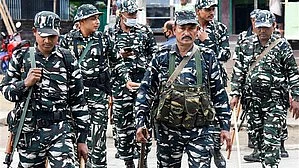


In a move aimed at ensuring stricter deployment oversight ahead of the West Bengal assembly elections, vehicles allotted to personnel of the Central Armed Police Forces (CAPF) will be fitted with GPS trackers, enabling real-time monitoring by observers appointed by the Election Commission of India (ECI).
The first phase of CAPF deployment — comprising 240 companies — will begin on 1 March, even before the formal announcement of polling dates and the enforcement of the Model Code of Conduct. According to officials, the commission has issued clear instructions that these forces must not remain idle and are to be actively engaged in area domination exercises and familiarisation with the state’s geography from day one.
An official from the office of the chief electoral officer (CEO), West Bengal, said the GPS-enabled vehicles would allow ECI-appointed central observers to track the movement of deployed personnel continuously. “The observers may also submit daily reports to the commission regarding the utilisation of CAPF companies,” the official added.
The same monitoring mechanism will apply to the second phase of deployment, when another 240 CAPF companies are scheduled to arrive on 10 March.
The enhanced scrutiny comes against the backdrop of complaints during previous elections in the state, where allegations surfaced that despite heavy deployment, CAPF personnel were not effectively utilised — even on polling days. There were also claims in past elections that some personnel were found sightseeing during duty hours.
“Keeping such complaints in mind, the Commission has decided to strictly monitor the movement of forces from the beginning to the end of the election process,” the official said.
The 1 March deployment will include 110 companies of the Central Reserve Police Force (CRPF), 55 companies of the Border Security Force (BSF), 21 companies of the Central Industrial Security Force (CISF), 27 companies of the Indo-Tibetan Border Police (ITBP), and 27 companies of the Sashastra Seema Bal (SSB).
In the second phase on 10 March, 120 companies will be drawn from the CRPF, 65 from the BSF, 16 from the CISF, 20 from the ITBP, and 19 from the SSB — taking the total deployment to 480 companies.
The de-induction schedule for these forces — the phased withdrawal of personnel and equipment after completion of election duties — will be announced later through an official notification from the ECI.
With this technology-backed monitoring system, the commission appears determined to address past concerns and ensure the effective and accountable deployment of central forces throughout the election period in West Bengal.
With IANS inputs
Join our official telegram channel (@nationalherald) and stay updated with the latest headlines