


CID summons Abhishek Banerjee again in Bengal MLAs’ signature mismatch probe
Fresh summons come a day after TMC general secretary underwent nearly six hours of questioning by the state CID
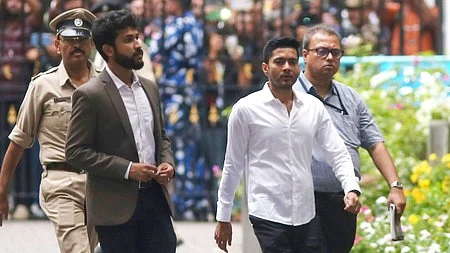


The Criminal Investigation Department (CID) of West Bengal has summoned Trinamool Congress general secretary and Lok Sabha MP Abhishek Banerjee for a fresh round of questioning on 14 June in connection with the ongoing investigation into alleged discrepancies in legislators’ signatures on a key Assembly resolution.
The fresh notice comes a day after Banerjee underwent nearly six hours of interrogation at the CID headquarters in Kolkata. He left the agency’s office shortly before midnight on Thursday following an extensive questioning session.
According to officials familiar with the investigation, the CID has sought Banerjee’s appearance again after investigators were reportedly not satisfied with some of the responses provided during the initial interrogation. The probe centres on alleged mismatches in the signatures of several Trinamool Congress MLAs on a resolution linked to appointments to opposition positions in the West Bengal Assembly.
Sources indicated that investigators questioned Banerjee about the whereabouts of the original resolution book and records relating to the meeting at which the resolution was adopted. The agency is understood to be seeking further clarification on these aspects of the case.
Officials said several questions posed during Thursday’s interrogation remained unresolved, prompting the decision to call him back for another round of questioning.
After leaving the CID office, Banerjee reportedly went directly to the residence of former chief minister Mamata Banerjee in south Kolkata. Details of their meeting were not disclosed.
Thursday’s appearance came after Banerjee had skipped three earlier notices issued by the investigating agency. He eventually appeared before the CID after the Calcutta High Court directed him to cooperate with the investigation.
Earlier in the day, a vacation bench of the high sourt granted him interim protection from coercive action, including arrest, for 21 days. At the same time, the court directed him to participate in the investigation and cooperate fully with investigators.
The court also allowed the CID to continue its probe, including conducting searches and other investigative steps deemed necessary for a fair inquiry into the matter.
The case has acquired significant political attention in West Bengal, with investigators examining the circumstances surrounding the disputed signatures and the handling of official assembly records.
Join our official telegram channel (@nationalherald) and stay updated with the latest headlines