


Congress questions Modi’s economic policies after FICCI address
Congress alleges that Modi government has encouraged monopolies, weakened investor confidence and hurt small businesses
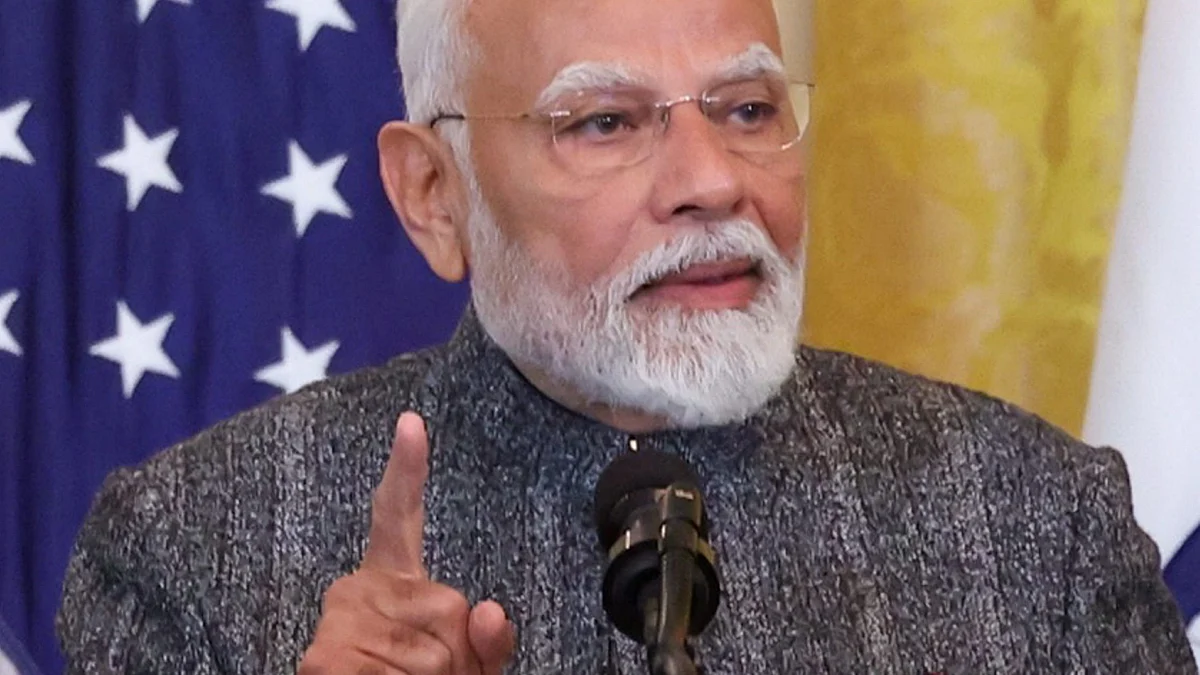


Jairam Ramesh accuses PM Modi of blaming industrialists instead of addressing inflation, unemployment and sluggish investment
Congress alleges that the Modi government has encouraged monopolies, weakened investor confidence and hurt small businesses
The criticism follows Modi's remarks questioning industry leaders over stagnant salaries and inadequate job creation despite tax concessions
The Congress on Friday criticised Prime Minister Narendra Modi over his recent remarks to industry leaders, accusing him of shifting the blame for the country's economic challenges onto wealth creators instead of addressing shortcomings in his government's policies.
Congress general secretary in-charge of communications Jairam Ramesh claimed that Modi's criticism of industrialists reflected his frustration over the economic situation. He also alleged that the prime minister was attempting to deflect responsibility for rising economic concerns.
Speaking at a press conference, Ramesh said the government must acknowledge its shortcomings, particularly in controlling inflation, generating employment and encouraging private investment.
"Mr. Prime Minister, the economy cannot be run merely by delivering speeches or offering advice to industrialists. It requires sound policies, an environment of trust, and an accountable government," Ramesh said.
Referring to the Congress's 2024 Lok Sabha election manifesto, 'Nyay Patra', Ramesh said the party had previously highlighted concerns over stagnant incomes, inadequate job creation, declining private investment and widening inequality.
He recalled that Modi had criticised the manifesto and accused the Congress of insulting wealth creators by describing its economic proposals as influenced by "urban Naxal" thinking.
Ramesh said the prime minister had now raised similar concerns while addressing industry leaders at the Federation of Indian Chambers of Commerce and Industry (FICCI) annual general meeting.
He pointed out that Modi had questioned industrialists over the lack of corresponding increases in employment and employee salaries despite tax concessions and other incentives provided by the government.
The Congress leader alleged that the prime minister's remarks amounted to an attack on the same wealth creators whom he had previously defended.
Ramesh also accused the Modi government of encouraging monopolies and allowing economic power to become concentrated among a handful of major business groups.
He claimed that the growing dominance of select industrialists was weakening market competition and hurting small businesses, industries and ordinary citizens.
The Congress leader further alleged that an atmosphere of fear and pressure, including the use of investigative agencies, had undermined investor confidence.
He questioned how businesses could be expected to make fresh investments without confidence in government policies and regulatory institutions.
Ramesh also flagged India's growing trade deficit with China, claiming that it was putting additional pressure on domestic small and medium enterprises (SMEs) and threatening livelihoods.
The Congress leader blamed demonetisation and the implementation of the Goods and Services Tax (GST) for adding to the difficulties faced by small businesses.
He described demonetisation as a damaging economic decision and criticised the GST framework, alleging that its complexities continued to burden small traders and business owners.
Ramesh maintained that the government needed to focus on improving incomes, creating employment and encouraging investment rather than questioning industrialists.
Ramesh's remarks came a day after Modi addressed industry leaders at the FICCI annual general meeting, where he questioned businesses over the limited impact of government tax concessions on employment generation and salary growth.
The prime minister highlighted measures taken by his government to improve the business environment, including reducing the basic corporate tax rate from 30 per cent in 2014 to 22 per cent, simplifying tax returns and refunds, and lowering GST rates on several products.
He also referred to income tax relief for individuals earning up to Rs 12 lakh and challenged industrialists to translate the benefits of these measures into higher salaries and more jobs.
Modi questioned why companies had not increased employee salaries or expanded their workforce despite the government's efforts to boost consumer purchasing power.
His remarks triggered a political response from the Congress, which accused the government of failing to address the underlying economic challenges.
With PTI inputs