


Delimitation Bill: Three options before the government today
In a late twist, govt notified that women’s reservation law, passed in 2023 with census and delimitation riders, comes into force from 16 April 2026
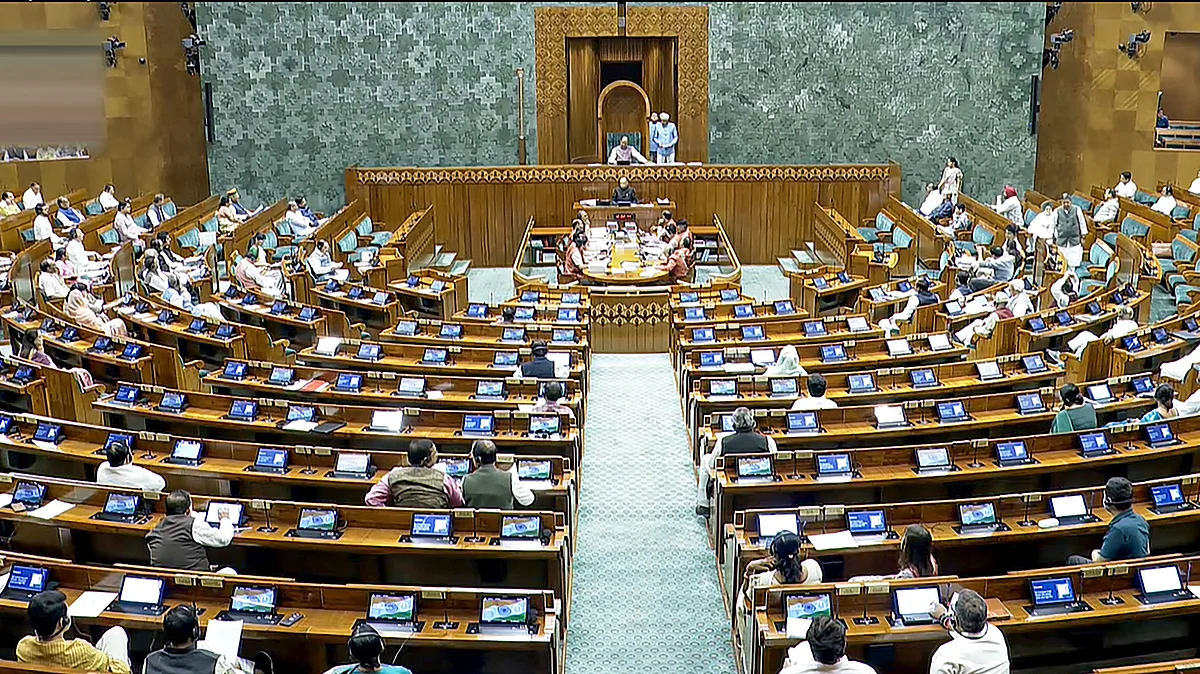


This Union government likes springing surprises; and the surprises are often sprung after 8 pm. So, it was on 16 April 2026 when the government issued a notification stating that the 2023 Act providing 33 per cent reservation to women will “come into force” the same day.
There was no official word on why the enforcement of the 2023 law’s provisions was notified in the midst of the Lok Sabha debate on the amended 2026 Bill. The Opposition called it a “desperate attempt” to save the 2023 law if the 2026 Bill with amendments failed to clear the House. Congress leader Jairam Ramesh described it as bizarre.
Those who understand the provisions speculated that if the amended Bills introduced in the special parliamentary session fail to pass on Friday, 17 April, the original Bill of 2023 would have lapsed. The notification, they reasoned, is meant to prevent that possibility. Others argued that the notification was designed to outsmart the Opposition by offering them with impossible options: either accept the new formula of women’s reservation based on 2011 census and increased number of seats in the Lok Sabha or accept the existing formula of 550 Lok Sabha seats ( the actual strength of the House is 540 seats with three vacancies) and the Census of 2027.
In the second option, the government will still be able to constitute a Delimitation Commission of its choice and resort to redraw constituencies on the basis of population. The government appears to be baiting the opposition with a higher number of seats for states in the hope that there will be divisions in the opposition ranks when the three Bills are put to vote later on Friday.
The Constitution amendment Bills will need to be cleared by both Houses with a special majority, which means two-thirds of those present and voting, which should not be less than one-half of the total strength of the House. With 540 MPs in Lok Sabha at present — three seats are vacant — the number required will be 360. The NDA’s own strength is 293, 67 short of the requirement. Abstentions can bring down the required number, but these have to be very large to plug the gap. The Opposition’s strength is 234. It will all boil down to how many turn up in the House on Friday, how many abstain and how many actually cast their vote.
Voting at the time of the introduction of the Bills on Thursday revealed that the NDA did not have the numbers to pass the Constitution amendment Bills: with 436 MPs present and 252 voting in favour of introducing the Bills and 185 opposing it.
If the government finds itself on the verge of losing in the Lok Sabha, it will have three options before it:
1. It can go ahead, lose and then accuse the opposition of betraying ‘India’s daughters’
2. Introduce an amendment (a schedule as Amit Shah indicated on Thursday with the break-up) and address the concerns of the southern states
3. Reach a consensus with the opposition and refer the Bills to a parliamentary standing committee for scrutiny
The government can also withdraw the bills before voting.
Join our official telegram channel (@nationalherald) and stay updated with the latest headlines