


E20 driving up food and travel costs, Congress demands immediate review
Party says diverting sugarcane and foodgrains to ethanol has raised household expenses, while motorists face mileage and vehicle-compatibility concerns
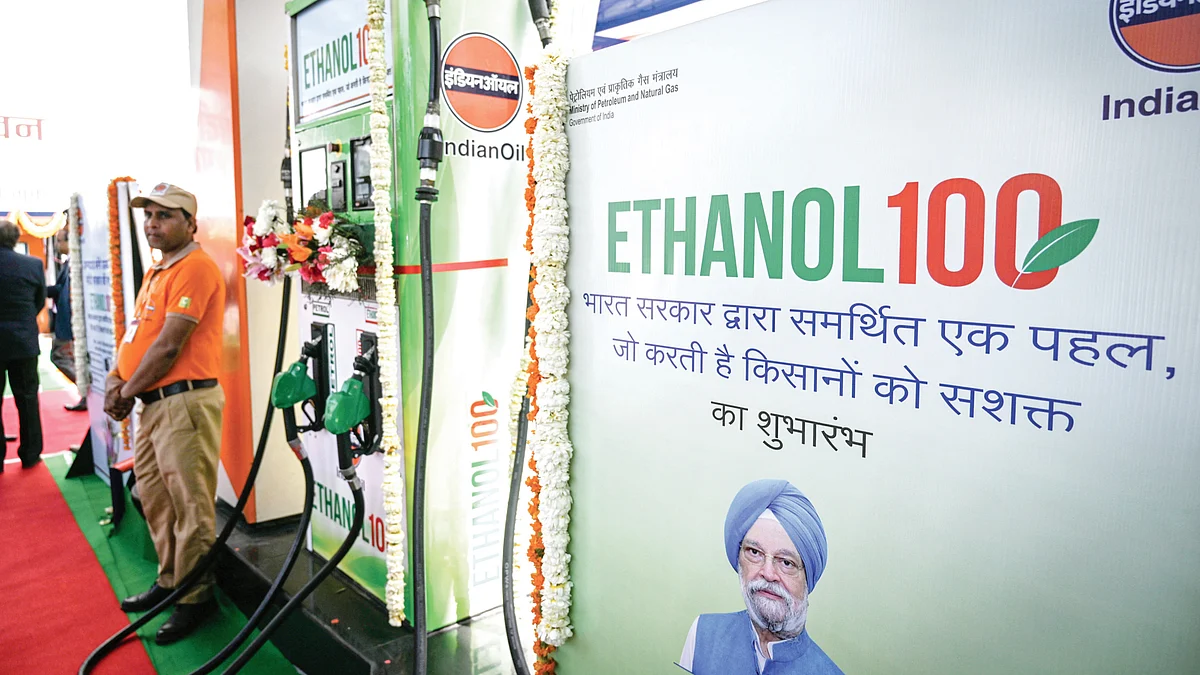


The Congress on Friday demanded an immediate review of the Centre’s E20 petrol policy, alleging that the programme was increasing food prices while forcing vehicle owners to contend with lower mileage, possible engine damage and limited fuel choices.
Congress communications chief Jairam Ramesh described the policy as “short-sighted” and “anti-people”, claiming that households were bearing its consequences both while travelling and in their kitchens.
E20 petrol contains 20 per cent ethanol blended with 80 per cent petrol. Ethanol used for the programme is produced from agricultural feedstocks, including sugarcane and foodgrains such as maize and rice.
In a post on X, Ramesh shared a screenshot of a Hindi newspaper report claiming that sugar prices had risen by 40 per cent over three months, while jaggery had become 24 per cent more expensive. The report also cited increases of 16 per cent in rice prices and 11 per cent in the cost of maize flour.
Ramesh alleged that diverting sugarcane and foodgrains towards ethanol production had inevitably tightened their availability in the market. He claimed that 25 lakh tonnes of sugar-grade sugarcane had been redirected for ethanol production.
According to figures cited by the Congress leader, sugar prices had risen from Rs 48 to Rs 67 a kilogram and jaggery from Rs 50 to Rs 65 a kilogram over the past three months. He also claimed that animal feed had become 10.34 per cent more expensive.
Ramesh further argued that motorists were being made to use E20 petrol even as questions remained over its compatibility with older vehicles. Cars and two-wheelers not designed for the blend could experience reduced fuel efficiency or mechanical problems without adequate testing, he said.
Accusing the government of implementing the programme hastily to benefit ethanol producers, Ramesh questioned why petrol prices had not been reduced despite lower international crude oil prices and the savings generated through ethanol blending.
He said leader of the Opposition in the Lok Sabha Rahul Gandhi had repeatedly raised concerns about alleged irregularities surrounding the E20 programme.
Referring to a resolution adopted by the Congress Working Committee on 19 August, Ramesh said the party had flagged reduced mileage, vehicle compatibility risks, the absence of consumer choice and the environmental consequences of diverting sugarcane and maize towards fuel production.
The CWC had also called for urgent action on concerns surrounding fuel contamination and the wider ecological costs associated with the ethanol-blending programme.
The Congress demanded that motorists be given access to petrol without ethanol and said a policy that simultaneously raised transport and household expenses was unacceptable.
The party has stepped up its criticism of the E20 rollout in recent weeks, alleging that it has increased fuel expenses for middle-class motorists and created potential risks for vehicles purchased before the higher ethanol blend became standard.
With PTI inputs
Join our official telegram channel (@nationalherald) and stay updated with the latest headlines