


Election Commission’s 250-page affidavit: what it says and what it doesn’t
SC will hear petitions against ECI’s functioning as poll body denies SIR violations in its 250-page affidavit
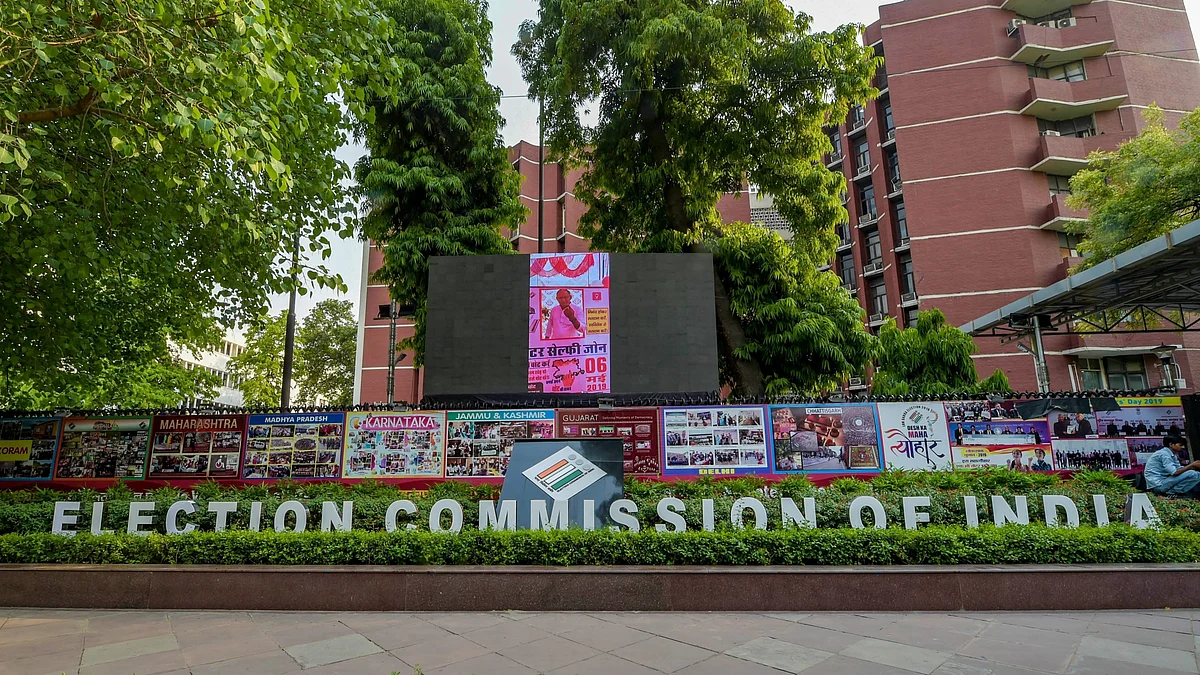


The Election Commission denies any wrongdoing, calls petitions against it misconceived and points out that the CEC can be removed only through impeachment
The counter affidavit denies Form 6 for new voters was ‘changed’. It was ‘amended’ online to facilitate SIR, it states, and on 21 October exempted voters from producing additional documents
The 16 lakh appeals by the Election Commission for exclusion of voters in West Bengal, who were cleared by judicial officers during adjudication, were not referred to the commission but filed independently by CEO, West Bengal, the counter affidavit states
Petitions against its functioning are based on a single newspaper report (The Indian Express on 23 September, 2026) even though media reports are not deemed to be ‘evidence’ in court. This is one of the several statements made in the counter-affidavit filed on behalf of the Election Commission of India (ECI) to the Supreme Court of India, which is set to hear arguments on petitions filed among others by INDIA bloc leaders on Tuesday, 27 October. The petitions demand greater transparency from the ECI.
The counter affidavit does not deny that the three election commissioners including the CEC did not meet even once in four months (flagged by two ECs and reported in The Indian Express). It does not also deny that the two ECs wrote to the cabinet secretary objecting to a decision taken by a deputy election commissioner without the knowledge of the two. The counter-affidavit now states that the decision on oversight of the IT division that the ECs objected to were ‘never implemented’.
The ECI had claimed in a press release on 25 September that the changes in Form 6 were approved by the Supreme Court in May 2026. After the Supreme Court CJI clarified that the court had given no such approval, the counter affidavit now states that no change was made to Form 6, that the online ‘amendment’ was meant to facilitate voters during SIR and that the original Form 6 would be accepted once the exercise is over. On 21 October the ECI split the online Form 6 application in two.
Officers of the West Bengal CEO's office filed appeals against voters cleared by judicial officers for inclusion in the rolls but these matters were not brought to the commission, claims the counter affidavit. The extraordinary explanation is not convincing, given the centralised operation of SIR. The counter affidavit states that action will be taken against officials who issue orders without approval of the competent authority. It does not specify if such cases have come to its notice.
While the counter affidavit labours the point that only EROs and AROs on the ground can allow additions and deletions of voters, it is silent on reports from various states about the complicity of officials. In Karnataka, The Hindu reported 61,059 Form 7s auto generated in the names of EROs & AEROs, without a single stated reason. If the ERO alone orders deletions, who ordered those forms to be generated, and on what basis? Auto-generated Form 7s have been reported from Uttar Pradesh as well.
Judging by media reports, the counter affidavit affirms the following:
The SIR orders issued on 24 June 2025, 27 October 2025 and 14 May 2026 were unanimously approved by all three election commissioners
The ECI said the declaration format in Form 6 for registering new voters during subsequent phases of the SIR was modified to simplify the process. Applicants could provide details of themselves or relatives listed in previous electoral rolls. The form was amended to introduce “mapping”, linking applicants’ details to the 2002–2003 electoral rolls through information about themselves, their parents or grandparents
On restricted access to the IT system, the ECI stated that ECINet enables authorities to act and that no entry can be added, deleted or modified without an order from the Electoral Registration Officer (ERO). It added that the ECINet team must ensure EROs can perform all their statutory functions and exercise their discretion smoothly and in accordance with the law
The ECI said files submitted by respective divisions are first sent to one Election Commissioner, then the other, and finally the chief election commissioner (CEC). Approved decisions are recorded in the relevant files and signed by the ECs and CEC before being notified and implemented by the ECI secretariat
The ECI said its officers in West Bengal filed 16.10 lakh appeals before appellate tribunals against the inclusion of voters in electoral rolls in their capacity as authorities under the Representation of the People Act. Citing a 22 October communication from the West Bengal CEO, it said the officers were authorised to file the appeals under Supreme Court orders and had not brought the matters to the commission
Responding to allegations that 97 voters in Goa were initially excluded from the electoral rolls during the SIR, the ECI said house visits were conducted and 88 voters had submitted Form 6 applications, which were accepted. Six voters were abroad, while three held Portuguese passports. However, the counter affidavit did not explain the initial exclusions or why the IT division failed to respond to eight reminders from the Goa ERO within a week
Join our official telegram channel (@nationalherald) and stay updated with the latest headlines