


Indore water contamination deaths fallout of urban planning failure: Digvijaya
Unless sewage and drinking water lines are completely separated, similar incidents would continue to recur, says Madhya Pradesh ex-CM
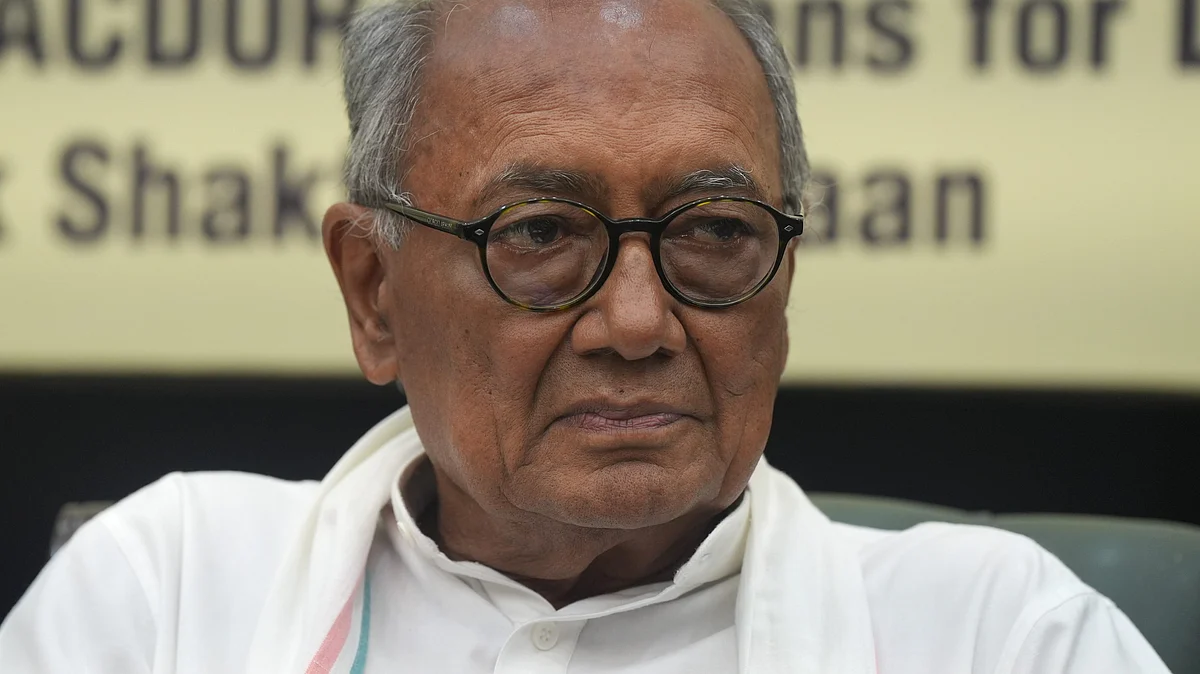


Senior Congress leader and former Madhya Pradesh chief minister Digvijaya Singh on Sunday called the recent deaths in Indore due to contaminated water a “fatal outcome of the failure of urban planning” and stressed the need for accountability to prevent such tragedies in the future.
Singh, a Rajya Sabha member, said in a statement to the media that unless sewage and drinking water lines running through the city are completely separated, similar incidents would continue to recur.
Seven people have died in Indore’s Bhagirathpura area following a diarrhoea outbreak linked to contaminated water, according to the health department, while local residents claim the toll is 17. The Indore district collector has announced compensation of Rs 2 lakh each for 18 affected families.
“This tragedy is the result of a system where negligence and corruption in sewage management contaminated clean water lines,” Singh said. “Lives lost to contaminated water can neither be restored nor can compensation ease the grief of families. But accountability can prevent recurrence.”
Also Read: Indore’s paradox: ‘Clean’ city, dirty water
He emphasised that identifying preventive measures is not just a political responsibility but a civic duty. Citing a report by the International Centre for Sustainability, Singh noted that nearly 70 per cent of India’s water is contaminated.
“Indore has repeatedly been called India’s cleanest city, yet people are dying due to unsafe water. It is even more likely that deaths in remote and underserved areas go unnoticed,” he said.
Singh highlighted the broader challenges posed by declining rural employment, migration, and rapid urbanisation, noting that laying pipelines alone will not solve the problem. He called for strict measures, including controlling illegal settlements, fully segregating sewage and drinking water lines, and mandating new urban master plans every ten years.
Advocating for a shift from a contractor-centric to a citizen-centric approach, Singh warned that tragedies will continue to serve as warnings unless such systemic reforms are implemented.
With PTI inputs
Join our official telegram channel (@nationalherald) and stay updated with the latest headlines