


Maharashtra BJP adopts ‘Bengal model’ for SIR drive targeting 50 lakh voters
BJP workshop reportedly trains cadres to identify ‘fake voters’; Congress and SP raise concerns over minorities being excluded
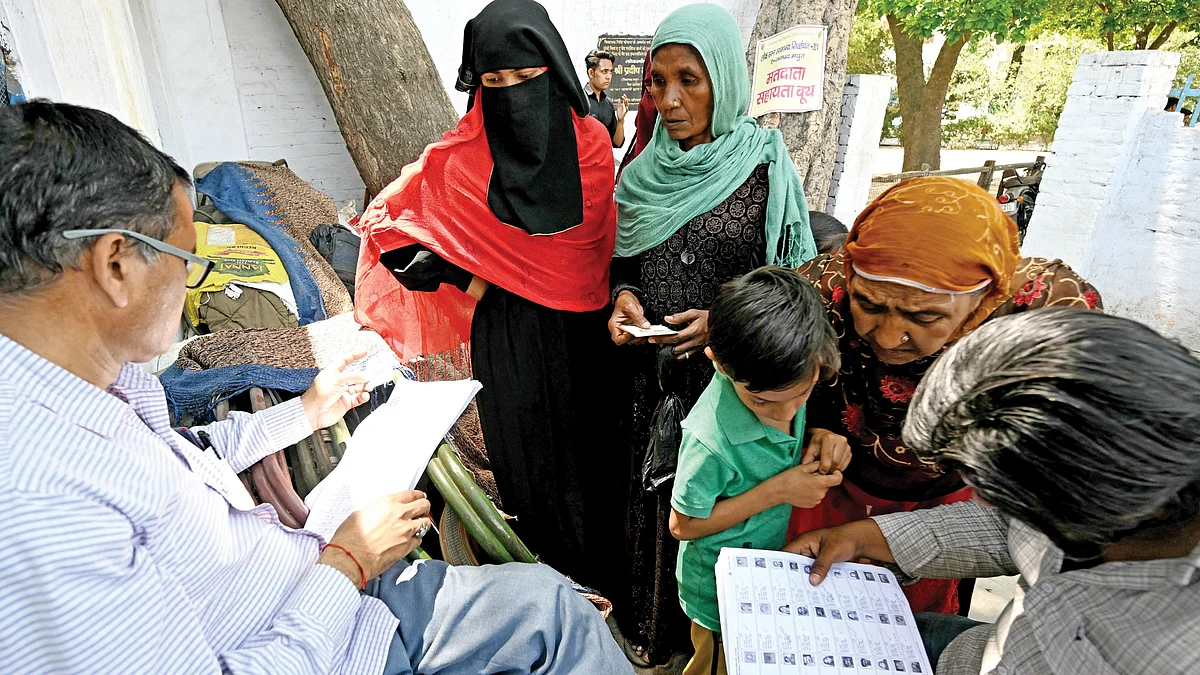


Following what it describes as the 'West Bengal model', the BJP in Maharashtra has allegedly set a target of removing more than 50 lakh names from the electoral rolls through the special intensive revision (SIR) exercise, with voters from certain localities and communities said to be under particular scrutiny.
On Wednesday, 6 May, the BJP organised a workshop on the SIR process at Vasant Smriti in Dadar (East), attended by over 700 MPs, MLAs and party office-bearers. State BJP president Ravindra Chavan reportedly guided participants on how to identify and flag voters from specific communities as 'fake voters'. According to sources familiar with the workshop, the party has internally set a target of declaring more than 50 lakh voters in Maharashtra as ineligible.
Participants were also reportedly briefed on methods allegedly adopted in West Bengal, where the BJP believes the removal of nearly 64 lakh names from electoral rolls contributed significantly to its Assembly election victory in the state.
The BJP has directed party workers to remain deployed across 1.7 lakh booths in all 288 Assembly constituencies of Maharashtra to closely monitor the SIR process. According to party insiders, the aim is to identify and exclude voters from particular communities by branding them as Rohingyas or infiltrators from Bangladesh.
Senior BJP leader Kirit Somaiya has cited demographic changes in certain constituencies to support claims of infiltration and bogus voting. According to Somaiya, Mulund had 2.96 lakh voters in 2009, which rose marginally to 3 lakh in 2024. In contrast, Mumbra reportedly saw its voter base increase from 2.81 lakh to 4.87 lakh during the same period. He has alleged that areas such as Dhule, Malegaon, Sillod, Bhiwandi and Mumbra contain large numbers of suspicious or ineligible voters.
Under directions issued by the Election Commission of India, the special intensive revision of electoral rolls has already begun in Mumbai city and suburban districts. In the last week of April, Ashwini Bhide, commissioner of the Brihanmumbai Municipal Corporation, held a meeting with representatives of various political parties and urged them to appoint booth-level agents (BLAs) in their respective areas to ensure that the revision process is conducted transparently, efficiently and within the stipulated timeframe.
Maharashtra last carried out an SIR exercise in 2002, and the current exercise underway in Mumbai forms part of a wider statewide revision process.
However, concerns have already been raised by Opposition parties. A Congress delegation led by Maharashtra Congress president Harshvardhan Sapkal met chief electoral officer S. Chockalingam and submitted a 10-page memorandum. The delegation demanded that SIR-related work and census duties should not be assigned to the same officials in order to ensure that the process remains impartial, transparent and free from undue haste.
The memorandum also flagged complaints that voters belonging to certain castes and religious communities were allegedly being deliberately excluded from the electoral rolls.
Meanwhile, Samajwadi Party MLA Abu Azmi has opened more than two dozen assistance centres to help members of minority communities navigate the verification process. According to Azmi, many people are facing difficulties because discrepancies in the spelling of Muslim names and inconsistencies in Marathi-language data entries are leading to their documents being rejected.
Join our official telegram channel (@nationalherald) and stay updated with the latest headlines