


Mamata launches outreach to stem defections after TMC split
Party chief personally contacts MLAs as Trinamool leadership battles to contain fallout from unprecedented rebellion
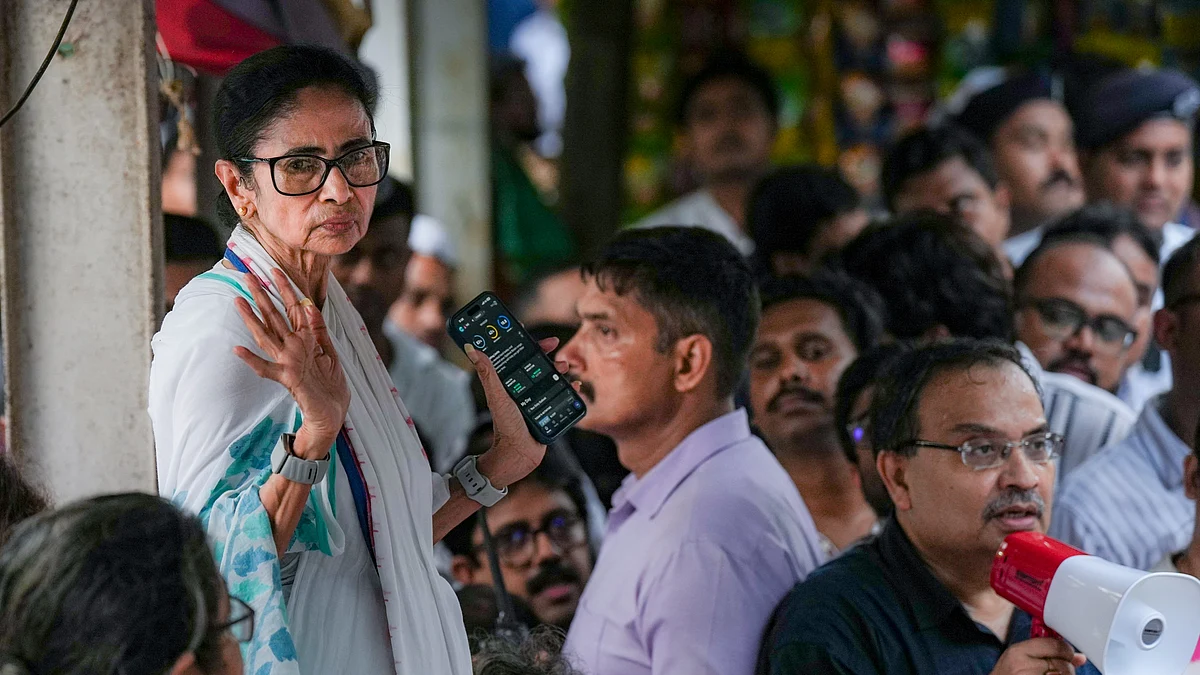


West Bengal chief minister and Trinamool Congress (TMC) supremo Mamata Banerjee has initiated a major outreach effort to prevent further defections from the party following the first major split in its 28-year history.
According to party sources, Banerjee has spent the past two days personally contacting legislators from several districts, including Howrah, Murshidabad and North Dinajpur, in an attempt to persuade them to remain with the organisation amid growing uncertainty over its future.
The move comes days after a group of 58 rebel MLAs seized control of the TMC legislature party and installed expelled legislator Ritabrata Banerjee as Leader of the Opposition, triggering the most serious internal crisis faced by the party since its formation in 1998.
Sources said Banerjee has invited legislators to attend a meeting at her Kalighat residence on Friday as part of efforts to keep communication channels open and explore possibilities for reconciliation.
Senior party leaders indicated that parallel efforts are also under way in Parliament. Trusted TMC MPs from both the Lok Sabha and Rajya Sabha have reportedly been tasked with reaching out to colleagues and discouraging them from joining the rebel faction, which has begun positioning itself as a "new Trinamool".
The outreach reflects concerns within the remaining TMC leadership that the Assembly revolt could spread to parliamentary ranks and grassroots organisational structures if not addressed swiftly.
The rebellion has presented Banerjee with an unprecedented challenge. Since founding the TMC nearly three decades ago, she has largely succeeded in maintaining tight control over the organisation and avoiding major internal ruptures.
While the dissident camp has framed the split as a revolt against the growing influence of TMC national general secretary Abhishek Banerjee, it has simultaneously sought to retain Mamata Banerjee's symbolic authority within the movement.
That position has exposed differences within the rebel bloc itself.
Several dissident MLAs have publicly stated that Banerjee should continue to be regarded as the party's supreme leader rather than being confined to an advisory role.
Their remarks have highlighted the difficult balancing act facing the rebels, who are attempting to distance themselves from Abhishek Banerjee while continuing to draw legitimacy from the political legacy and popularity of Mamata Banerjee.
Political observers believe those internal contradictions may provide an opening for the TMC leadership to win back wavering legislators before political loyalties become permanently entrenched.
Analysts note that while the rebels currently possess numerical strength within the legislature party, Mamata Banerjee remains the most influential political figure associated with the Trinamool movement and continues to command significant emotional support among party workers and voters.
Meanwhile, the rebel camp has moved quickly to consolidate its position. A day after assuming leadership of the opposition bloc, Ritabrata Banerjee met fellow dissident legislators at the Assembly and later led a delegation to meet senior police officials over allegations of harassment faced by supporters of the breakaway group.
Attention is now focused on Friday's meeting at Kalighat, which is widely viewed as a crucial test of Mamata Banerjee's ability to retain influence over legislators who have either joined or shown sympathy towards the rebel faction.
For the TMC chief, the battle extends beyond regaining control of the legislature party. It has evolved into a struggle to preserve the unity, identity and political direction of an organisation she built from scratch and led for nearly three decades.
As competing visions emerge within the party, the coming days could prove decisive in determining whether the Trinamool Congress remains intact or enters a prolonged phase of internal fragmentation.
With PTI inputs
Join our official telegram channel (@nationalherald) and stay updated with the latest headlines