


‘Open rebellion’ within Union cabinet? CJP alleges 7 ministers refused to resign
CJP representative Saurav Das claims ministers resisted a possible cabinet reshuffle, alleging they were being asked to make way for political turncoats
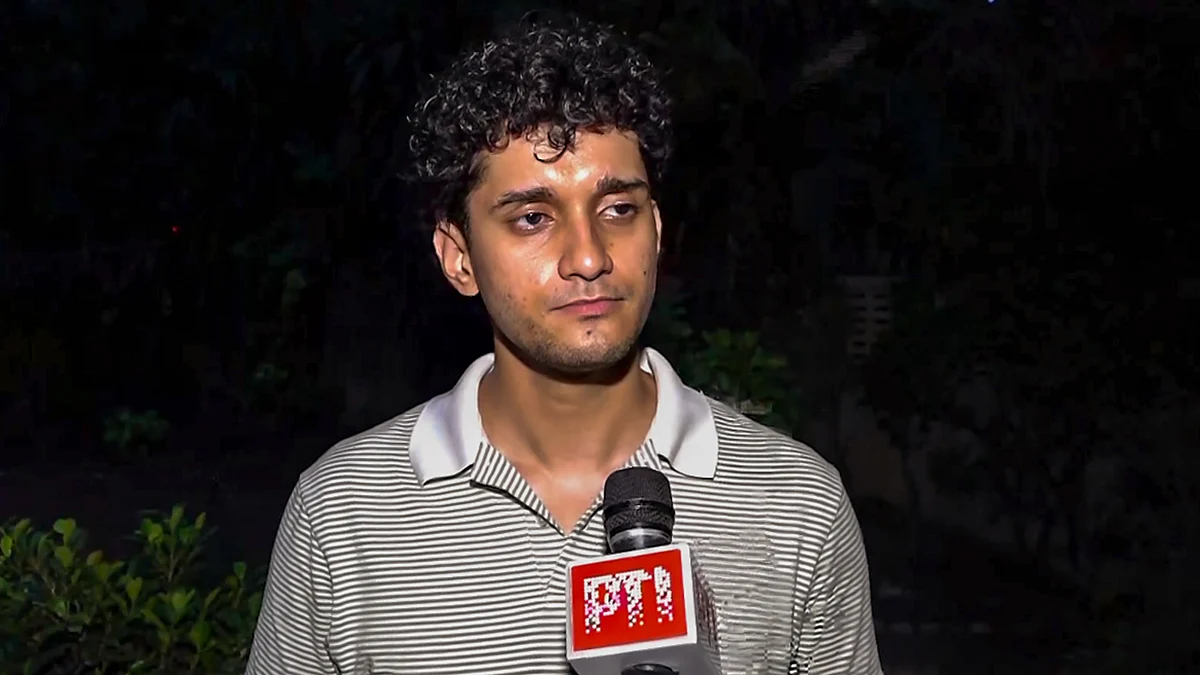


CJP representative Saurav Das has claimed there is an “open rebellion within the Union cabinet”, alleging that seven ministers refused to resign amid discussions over a much-awaited Cabinet reshuffle.
Das claimed that “high-level friends” in the establishment had told CJP that the ministers were unwilling to step down because they were allegedly being asked to make way for political turncoats. He did not identify the ministers or provide details about the alleged discussions.
According to Das, the ministers' reported reluctance to resign reflects growing discontent within the ruling establishment over the proposed reshuffle. The claims, however, have not been independently verified.
Das also alleged that several well-meaning members of the BJP were unhappy with the situation but felt unable to leave the party because of fears of central investigative agencies, including the Enforcement Directorate (ED), Income Tax Department (IT) and Central Bureau of Investigation (CBI).
The allegations come amid speculation surrounding a possible restructuring of the Union Council of Ministers. Cabinet reshuffles can involve changes in ministerial portfolios, the induction of new faces and the removal or relocation of existing ministers, often reflecting political and organisational priorities.
However, no official confirmation has been provided regarding the identities of ministers who may be asked to resign or the reasons behind any proposed changes.
Abhijeet Dipke also weighed in on the claims, taking a dig at the BJP and suggesting that protests at Jantar Mantar had helped ministers overcome their alleged fear.
His remarks appeared to suggest that public demonstrations had emboldened some political figures to speak out or resist pressure. No specific evidence was provided to substantiate the claim.
The allegations also raise questions about the reported role of political turncoats in any potential reshuffle. Das claimed that the ministers were being asked to make way for individuals who had switched political allegiance, though he did not name the alleged turncoats or specify which ministerial positions were involved.
There has been no independent confirmation of an internal revolt within the Union Cabinet, nor of ministers refusing to resign.
The claims made by Saurav Das and Abhijeet Dipke remain unverified.
Rahul Gandhi has previously claimed that people within the government and its institutions have privately conveyed their discontent to him. In 2018, he alleged there was dissent within the government, citing examples including the Goa Cabinet and CBI.
He also claimed ministers were not always being consulted on key decisions. Gandhi has repeatedly alleged that centralisation of power has weakened internal feedback and dissent within the government.
During the SIR debate, Congress leader Rahul Gandhi repeatedly alleged that people inside the system were aware of what was happening and that the exercise was aimed at influencing electoral outcomes. He framed SIR as part of what he called “vote chori” and warned that the exercise could be used to determine who gets to vote.
There is also a more directly relevant, documented pattern in his recent remarks: Gandhi has publicly recorded dissent in several government selection processes, including the CEC selection in February 2025 and the CBI director selection in May 2026, accusing the government of weakening institutional checks and reducing the Opposition's role to a formality.
Join our official telegram channel (@nationalherald) and stay updated with the latest headlines