


Bankipur sends early warning to BJP: In power yes, but popularity waning
Prashant Kishor's victory comes at a time of growing public discontent with both the Bihar govt and BJP-led Central govt
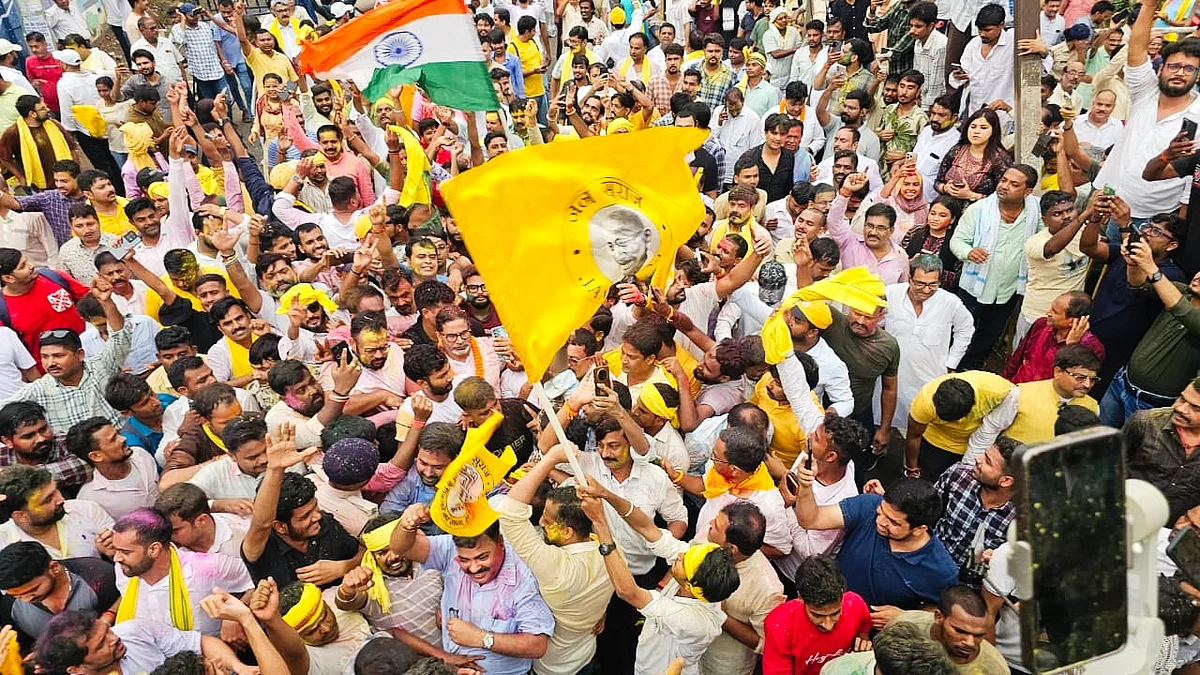


The BJP may have captured power in Bihar with a dodgy but resounding victory in last year's Assembly elections, but the Bankipur bypoll has delivered an uncomfortable reminder: electoral dominance does not necessarily translate into enduring public support.
If there is one message from the Bankipur by-election, it is this — the BJP may still control the government, but its popularity is showing signs of erosion.
Election strategist-turned-politician Prashant Kishor, who founded his Jan Suraj Party merely two years ago in 2024, has staged a remarkable individual debut and emerged victorious after leading through successive rounds of counting, ending with a victory margin of 18,953 votes after 29 rounds.
The Jan Suraj Party fielded candidates in 238 of Bihar's 243 Assembly constituencies in the 2025 elections, failed to open its account and secured just 3.44 per cent of the vote share.
Having entered electoral politics with the promise of replicating the Aam Aadmi Party's governance-centric model and shifting Bihar's political discourse from caste to issues such as education, employment and corruption, the party's debut appeared to end in disappointment. The Bankipur bypoll, however, marks a turnaround of sorts. Kishor's victory not only revives his political prospects but also suggests that the BJP is already losing ground in Bihar.
His victory assumes significance because it comes at a time of growing public discontent with both the Bihar government and the BJP-led Central government. The bypoll appears to reflect a broader political mood that has been taking shape across the country.
The CJP protests in Delhi and youth-led agitations in several states had already brought to the surface a simmering discontent over unemployment and education. The Bankipur verdict suggests that similar sentiments have found expression through the electoral process.
The BJP’s defeat in this constituency is particularly significant because Bankipur occupies a special place in the party's political history. Since the constituency was created after the 2008 delimitation exercise, the BJP has never lost the seat until now. The party's national president Nitin Nabin represented Bankipur continuously from 2010 until he vacated it after being elected to the Rajya Sabha in April.
Even before delimitation, the area was part of the Patna West Assembly constituency, represented repeatedly by Nabin's father Navin Kishore Prasad Sinha since 1995. The loss, therefore, is being viewed not merely as an electoral setback but also as a personal blow to the BJP president, who is still trying to establish his authority within the organisation.
The Bankipur verdict also challenges the conventional wisdom that by-elections generally favour the ruling party. Instead, Bankipur suggests that voters are willing to break with precedent when local sentiment runs strongly against the incumbent. More strikingly, the result appears to indicate that younger voters, particularly Gen Z, were less influenced by traditional political loyalties than earlier generations that have largely backed the BJP.
Although it was only a by-election, the BJP invested considerable political capital in the contest. The campaign relied heavily on Hindutva and also sought to consolidate caste support. Yet neither strategy appears to have delivered the desired outcome.
The constituency has a significant Kayastha population, and with Nitin Nabin himself belonging to the community, the BJP was expected to enjoy a natural advantage. The verdict suggests that caste identity alone may no longer be sufficient to secure electoral success. It was actually claimed that the BJP candidate even lost in his own booth.
As per Bihar watchers, the implications extend beyond a single Assembly seat. For the first time, the BJP is leading the Bihar government after years of playing junior partner to former chief minister Nitish Kumar. With Nitish Kumar receding from the state's political landscape and the RJD under Lalu Prasad Yadav no longer as dominant as it was, Bihar's political space is undergoing a significant realignment.
Kishor's victory positions him as a more credible challenger in that evolving landscape.
Though the voter turnout was significantly lower than in the previous Assembly election, dropping by nearly 23 percentage points, the verdict itself is unequivocal — despite the advantages of incumbency, an extensive organisational network and the full government machinery, the BJP failed to retain one of its safest seats.
Whether Bankipur marks the beginning of a larger political shift cannot be determined from a single bypoll. But it has undoubtedly sent a warning that political power and public popularity are not always constant — and that the BJP's 'double-engine government' may no longer be as electorally invincible as it once appeared.
Join our official telegram channel (@nationalherald) and stay updated with the latest headlines