


Quiet rollout of new 'PADU' device in BMC polls sparks uproar
Opposition leaders express doubts about device, hint at possibility of electronic manipulation


Concerns over the use of money power and muscle power have already surfaced in the run-up to elections for the Brihanmumbai Municipal Corporation (BMC) and 29 other municipal bodies in Maharashtra.
Now, the role of the State Election Commission (SEC) is once again under scrutiny. Voting is scheduled for Thursday, 15 January, but controversy has erupted before polling day over two decisions: the deployment of a new device called the PADU (printing auxiliary display unit) alongside EVMs (electronic voting machines), and the unusual permission allowing candidates to meet voters even after the official campaign period has ended.
Opposition parties have protested both decisions, alleging that they could facilitate “vote theft”. The BMC polls will be the first time PADU devices are used.
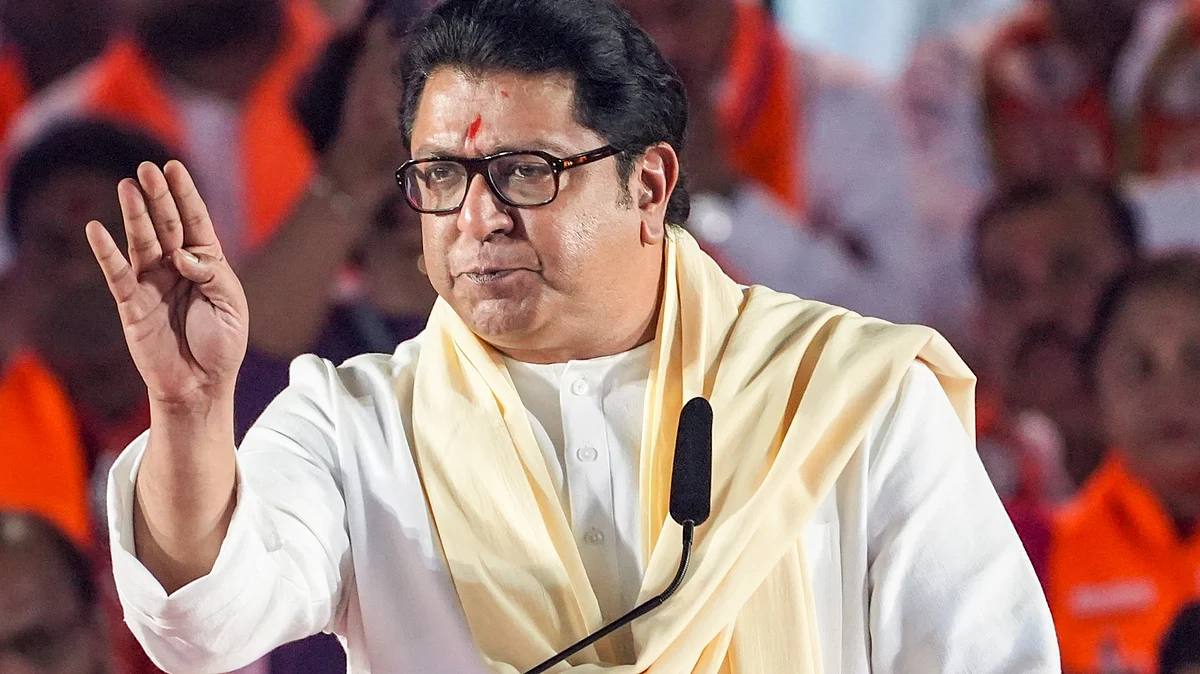
Ahead of polling, Maharashtra Navnirman Sena (MNS) chief Raj Thackeray and other Opposition leaders expressed doubts about the new device and wrote to the State Election Commission. They have hinted at the possibility of electronic manipulation, noting that allegations of vote tampering had also surfaced after the last Assembly elections in 2024. Speaking to the media, Thackeray claimed that political parties had neither been informed about the PADU device nor shown how it works.
Following Thackeray’s comments, BMC commissioner and administrator Bhushan Gagrani hastily called a press conference to explain the PADU system. He confirmed that the device is being used for the first time in a civic election, that it has been manufactured by BHEL (Bharat Heavy Electricals Ltd), and that 140 units have been supplied for the BMC polls.
According to Gagrani, the PADU is a small auxiliary device that will be connected to the EVM’s control and ballot units. If the control unit’s display fails during voting, the PADU will serve as a replacement display. It may also be used to show information on a larger screen during polling.
However, unlike the VVPAT system, the PADU does not produce a paper slip, a point that has proven contentious. Gagrani described PADU as primarily a “supplementary display device” intended to make the voting process smoother and more visible, while also functioning as a limited control unit.
He emphasised that PADU is a backup machine, to be kept at polling stations like an EVM. “Most likely it will not be needed, but it is available as a backup option and will be used only in emergencies,” he said.
Thackeray also hit out at the Election Commission’s decision to allow candidates to meet voters on polling day, asking why a notification permitting this was issued just one day before voting. He accused both the government and the Commission of bending rules by allowing door-to-door outreach even after the official campaign period had concluded.
He asked why the new "tradition" was introduced just before the civic polls and why the rule was not there during the Lok Sabha and Assembly elections. "Why was this concession given? Why was the rule changed? Is the SEC there to do what the government wants?" Thackeray asked.
Meanwhile, BJP leader and state revenue minister Chandrashekhar Bawankule dismissed the criticism in familiar fashion, saying the Thackeray brothers were raising objections only because they “can already see defeat”.
Join our official telegram channel (@nationalherald) and stay updated with the latest headlines